EU clears path to implement Trump trade deal, avert tariffs
Brussels moved to lock in a deal that could keep U.S.-EU trade from spiraling into a tariff fight, opening the European market further to American manufacturers, farmers and seafood exporters.
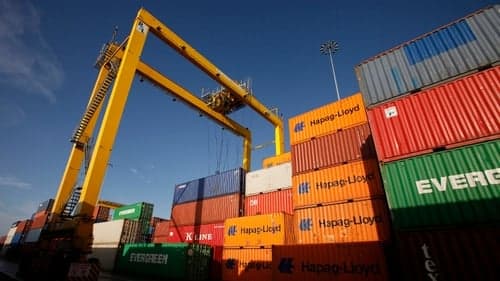
American exporters of industrial goods, seafood and selected farm products gained the clearest opening as the European Union moved to remove its own tariffs and put the Trump trade deal into force, a step designed to keep a broader transatlantic tariff war from erupting.
The Council presidency and the European Parliament reached a provisional agreement in Brussels on May 20, 2026 on two regulations that would implement the tariff-related parts of the EU-U.S. Joint Statement signed on August 21, 2025. The package would strip customs duties from all industrial products originating in the United States and give preferential market access to certain seafood and non-sensitive agricultural goods through product-specific tariff-rate quotas.
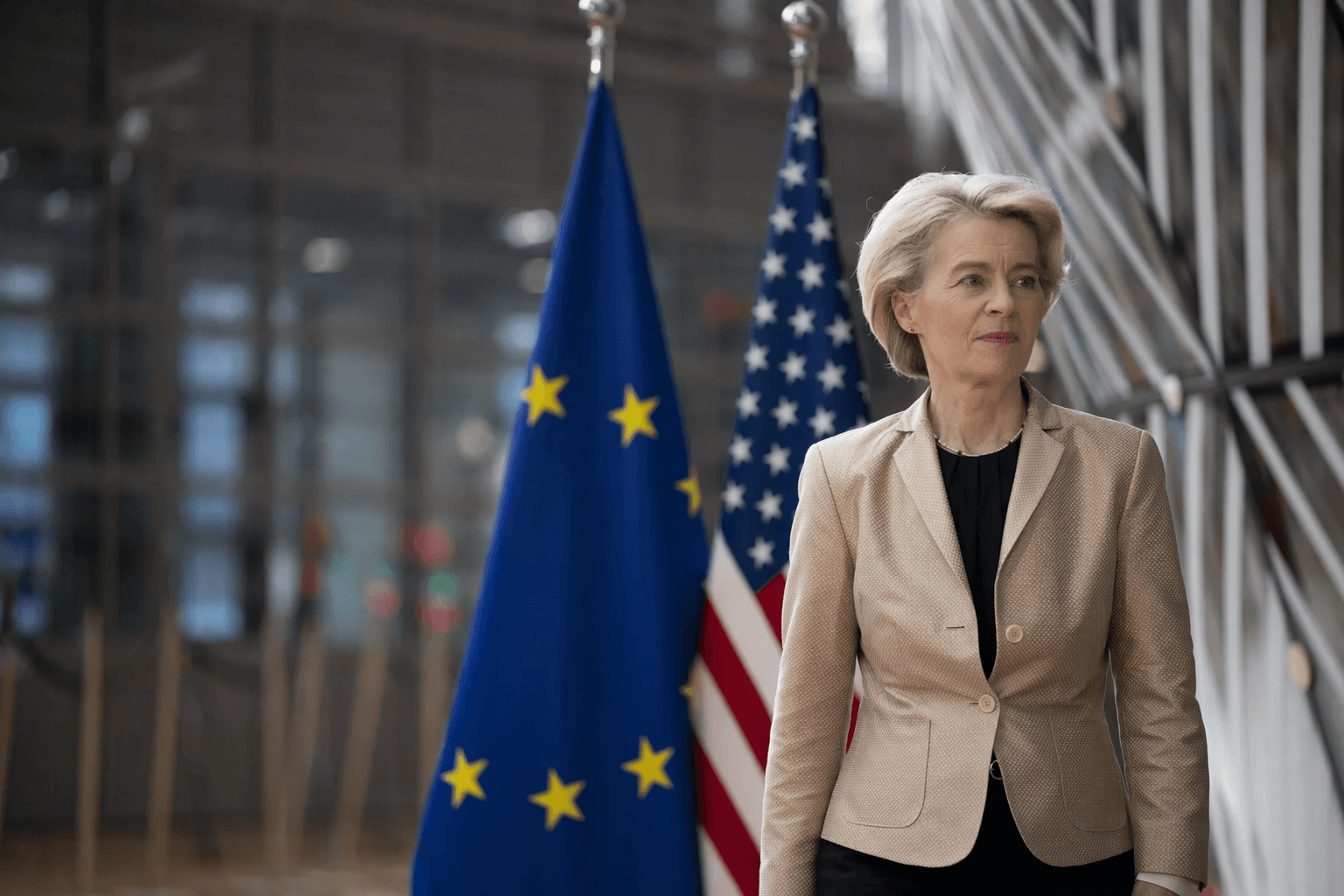
For American businesses, the first beneficiaries are likely to be companies shipping machinery, chemicals, transport equipment and other factory-made goods into Europe, along with seafood producers and farm exporters able to fill the new quota space. The Commission said about 66% of industrial goods from the United States were already duty-free in the EU before the proposal, which means the fresh liberalization narrows the remaining tariff barriers rather than blowing them open from scratch.
That limits the chance of a sudden price shock for U.S. consumers, but it does not make the deal trivial. Even small tariff changes can reshape margins, contract terms and shipment timing, especially for exporters that compete on thin spreads. For agriculture and seafood, the practical gain is easier entry into a market of more than 440 million consumers, while for industrial suppliers the main payoff is predictability.

The agreement also matters because it lowers the odds of retaliation. Under the 2025 framework, Washington set a 15% all-inclusive tariff ceiling on most EU exports, including cars, pharmaceuticals, semiconductors and lumber, while the EU preserved room to keep negotiating on steel and aluminum. The European Parliament strengthened the safeguard clause so the Commission can suspend tariff preferences if U.S. imports surge in a way that seriously harms EU industry.

That protection reflects how fragile the deal still is. EU officials wanted the legislation moving before Donald Trump’s July 4 deadline, after he threatened much higher tariffs on EU goods, including cars, if Brussels failed to implement the bargain. The legislation had already been paused twice before the current push.
Industry groups on both sides have pressed for certainty. The European Automobile Manufacturers’ Association said de-escalation was welcome and noted that 13.6 million Europeans work in the automotive sector, which generates more than 8% of EU GDP. EUROFER said EU steel exports to the U.S. have plunged 30%, while Copa-Cogeca and FoodDrinkEurope warned that tariffs can disrupt supply chains and prices in a transatlantic agri-food trade worth about €40 billion.
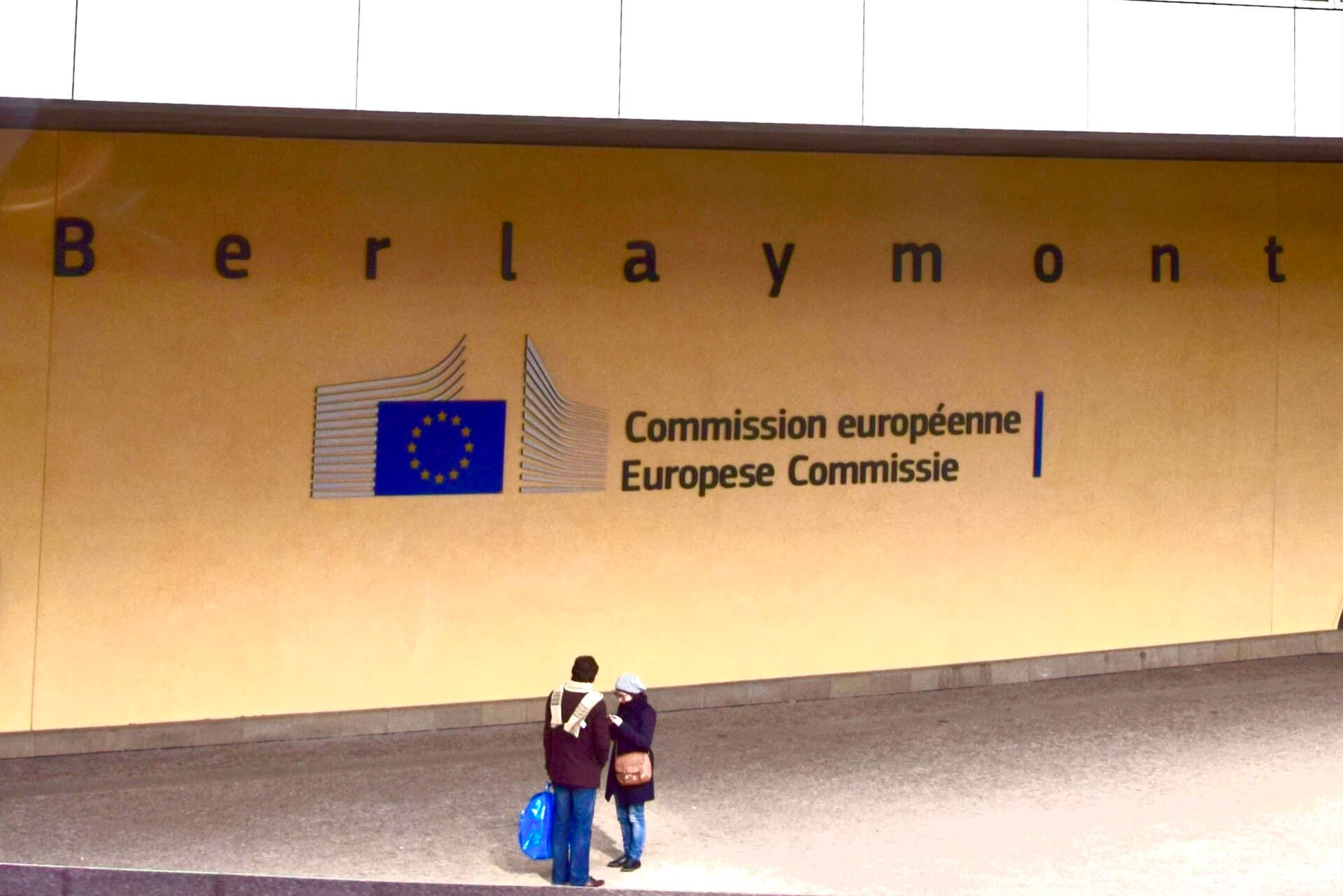
The provisional deal is not final law yet. Parliament and the Council still must complete the ordinary legislative procedure, with a final vote expected in mid-June, but the direction is clear: Washington and Brussels are trying to turn a threatened tariff clash into a managed, if still imperfect, trade truce.
Know something we missed? Have a correction or additional information?
Submit a Tip