EU court says US sanctions listing alone cannot bar bank accounts
An EU court said a U.S. sanctions listing cannot by itself justify denying a basic bank account, forcing banks to make an individualized risk test.

The European Union’s top court drew a hard line between American sanctions power and European banking rules on June 11, 2026, ruling that a U.S. blacklist entry alone cannot justify shutting a consumer out of a basic payment account. In Case C-81/24, Jenec, the Court of Justice of the European Union said banks in the bloc must make their own risk assessment before refusing service, rather than treating an Office of Foreign Assets Control listing as a blanket ban.
The dispute began in Slovenia in 2022, when a bank identified in the case materials as Nova Kreditna Banka Maribor, later OTP banka d.d. after its acquisition by OTP Group, refused to open an account with basic features for a consumer identified as LH. The refusal was based on the fact that LH appeared on an OFAC sanctions list, even though he had never been convicted of the offense behind that listing and was not subject to sanctions from the United Nations, the European Union, or Slovenia.
The Slovenian court asked whether EU law allowed that refusal. The answer was no, at least not automatically. The EU’s basic-account rules give any consumer legally resident in the bloc the right to open and use a basic payment account, but that right remains subject to anti-money-laundering and counter-terrorist-financing obligations. A third-country sanctions listing can be one relevant factor in assessing risk, the court said, but it cannot on its own end the inquiry.
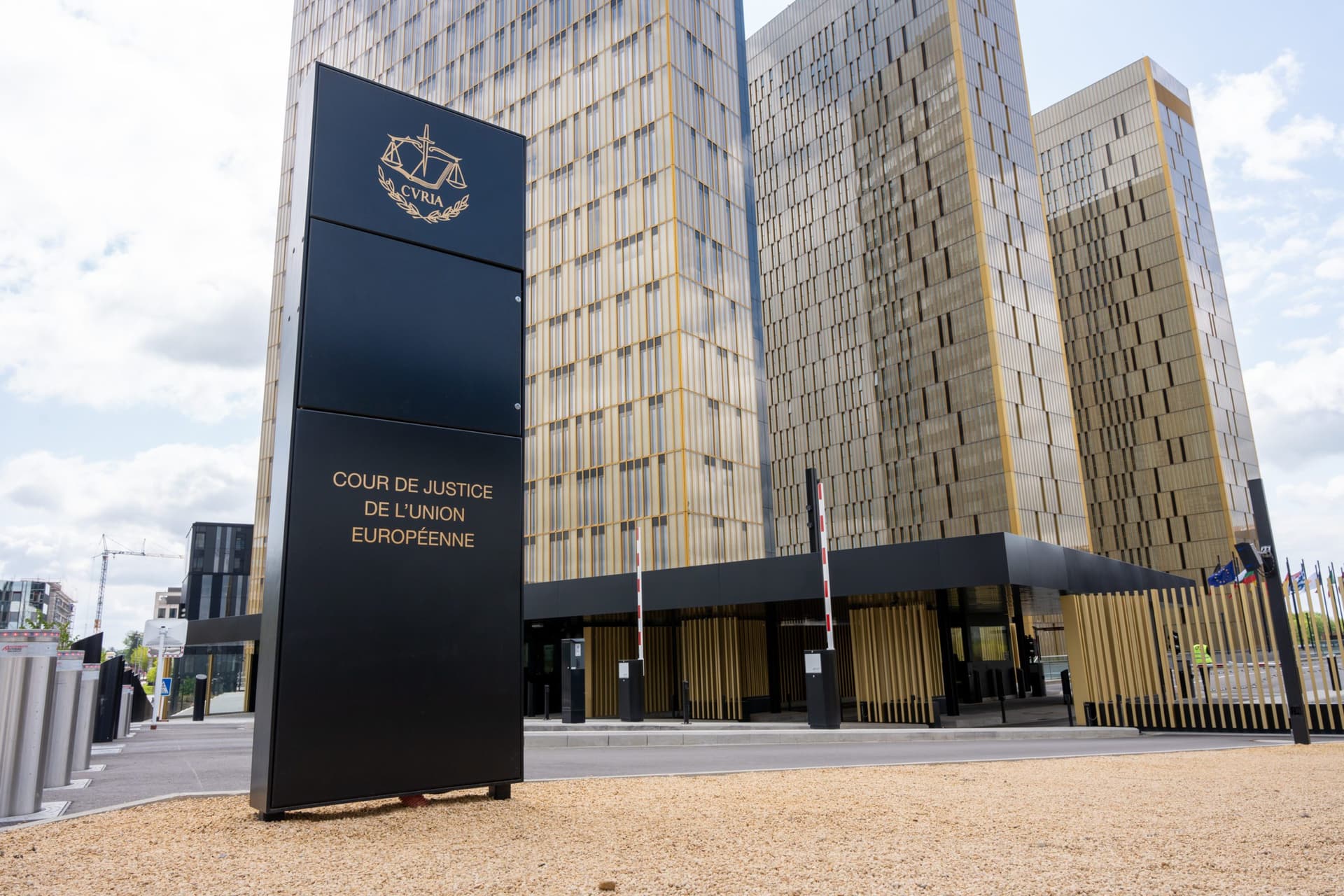
Instead, a bank may refuse only after an individualized assessment shows it cannot effectively manage the money-laundering or terrorism-financing risk through proportionate measures suited to its size and nature. That standard matters because it pushes banks to justify denials with concrete compliance concerns, not automatic deference to foreign sanctions policy. The judgment does not resolve the Slovenian dispute itself, but it binds the national court hearing the case.
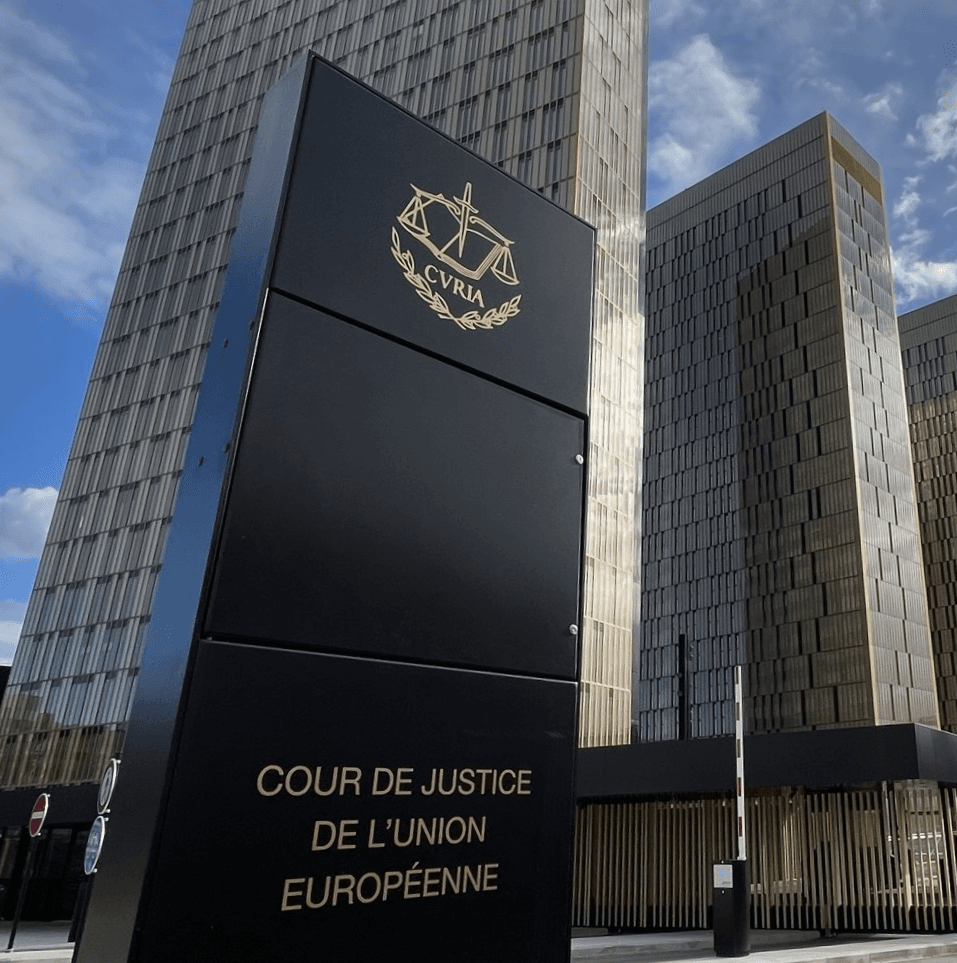
The ruling reaches well beyond one customer in Maribor. It sets a boundary on how far U.S. sanctions can shape access to essential financial services inside the EU, where banks have increasingly relied on de-risking and foreign blacklists to avoid regulatory exposure. For European lenders and compliance teams, the message is clear: OFAC listings may raise alarm, but they do not replace the separate legal duty to assess risk under EU law.
This article was produced by Prism’s automated news system from verified source data, official records, and press releases, then run through automated quality and moderation checks before publishing. The system is built and supervised by the people who set the standards it runs under. Read our full AI policy.
Know something we missed? Have a correction or additional information?
Submit a Tip