EU loan for Ukraine expected as Hungary oil row eases
Hungary’s oil dispute nearly derailed a €90bn EU loan for Ukraine, exposing how one pipeline can stall bloc-wide wartime funding. A repair to Druzhba cleared the way.
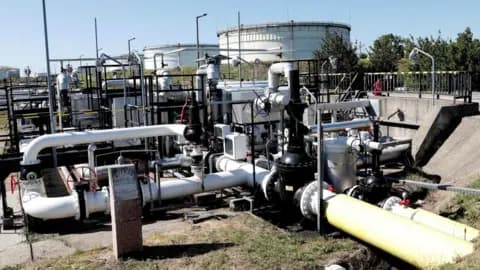
The European Union’s €90bn support package for Ukraine nearly came undone over Russian oil flowing through the Druzhba pipeline, a reminder that even a major wartime commitment can be vulnerable to one member state’s leverage. What was meant to be a straightforward financing bridge for Kyiv’s next two years became tangled in energy politics, with Hungary’s veto and Slovakia’s backing forcing Brussels to wait for the pipeline fight to ease.
EU leaders agreed the loan in December 2025 to cover Ukraine’s 2026-2027 budget gap and help finance military and economic needs. The package was structured as EU-budget-backed borrowing, after leaders failed to unite behind a more controversial plan to tap frozen Russian sovereign assets directly. Those assets remain immobilized in the bloc until Moscow pays war reparations, keeping that broader funding debate alive even as the loan itself moved ahead.
The delay came in February 2026, when Viktor Orbán blocked progress over Russian oil supplies to Hungary. Robert Fico’s government in Slovakia supported the objections, tying the loan’s release to the restoration of flows through Druzhba, which carries Russian crude through Ukraine to both Hungary and Slovakia. The deadlock turned a financial decision into a test of how much influence Budapest and Bratislava could wield over the EU’s wartime support for Kyiv.
By April 22, EU officials were expecting a positive decision, after Ukraine said the damaged pipeline would be repaired by the end of the month. Reports also said MOL, Hungary’s state oil company, had been told that Ukrainian operators were ready to resume transit, and the issue was expected to move to a vote once the line reopened.
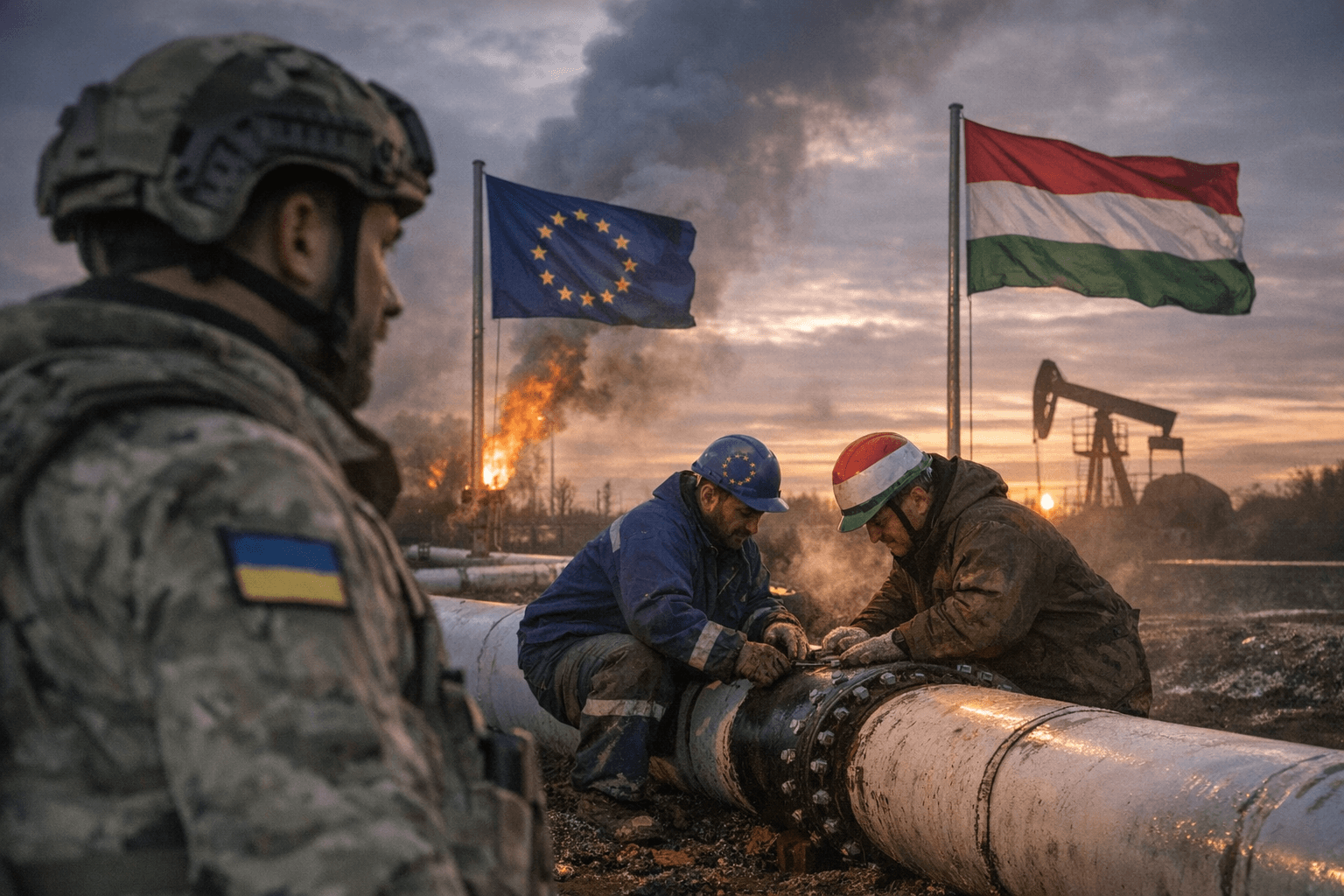
A senior EU official said Ukraine’s funding needs for 2026 were covered until the first tranche arrives, with the initial disbursement likely to come at the end of May or in early June. That timing reduces the immediate pressure on Kyiv, but the episode underscored how fragile European consensus can be when energy interests collide with military financing.
For Brussels, the lesson is stark: even after agreeing on a €90bn lifeline, the EU’s backing for Ukraine still depends on managing internal disputes that can be activated by a single pipeline. As the war drags on, the durability of that support will be tested not only by battlefield demands, but by the politics of oil, debt and unanimity inside the bloc.
This article was produced by Prism’s automated news system from verified source data, official records, and press releases, then run through automated quality and moderation checks before publishing. The system is built and supervised by the people who set the standards it runs under. Read our full AI policy.
Did this article answer your question?


