Europe splits on power costs as war boosts gas-heavy markets
War-driven fuel shocks are exposing Europe’s split energy map: Albania and France have had buffers, while Italy and Germany are seeing sharper price spikes.

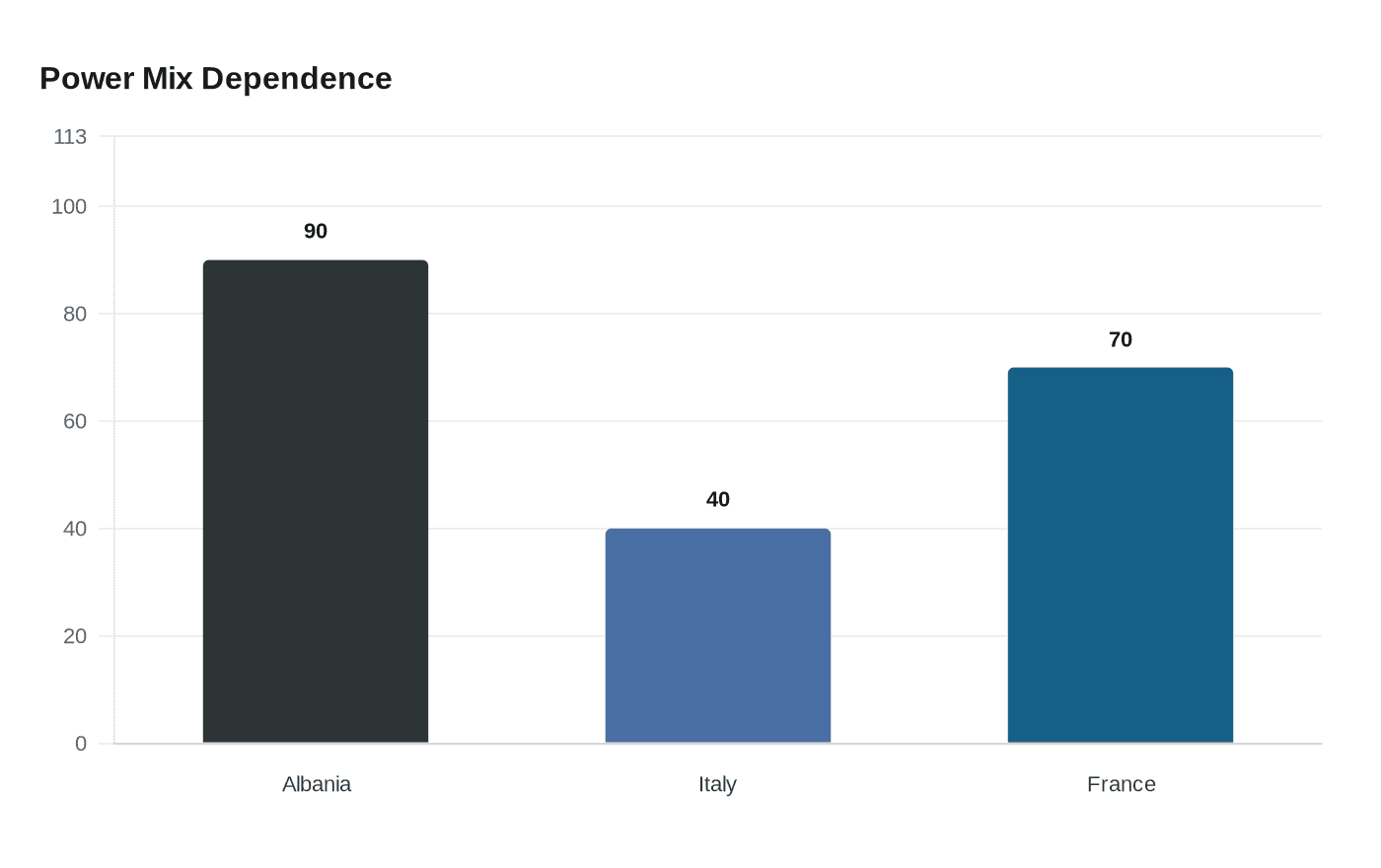
Europe’s power market is dividing along one stark line: countries built around hydropower or nuclear fleets are absorbing the war-driven fuel shock far better than neighbors still anchored to imported gas and oil. In Albania, the Drin River system generates more than 90% of electricity output, giving households and businesses a shield from the sharpest price spikes rippling across the continent.
That protection rests on concentrated infrastructure. The Drin Cascade has four hydropower plants with about 1,400 MW of installed capacity, according to the Albanian Power Corporation. In a region rattled by a fresh surge in fossil-fuel prices, that kind of domestic supply has become a strategic buffer rather than just an engineering feature.
The contrast with gas-heavy markets is already visible in wholesale prices. Italy, where gas generates more than 40% of electricity, has seen its benchmark contract rise by more than 20% since the Iran war began. Germany’s benchmark is up more than 15%. France has fared better because nuclear power supplies about 70% of its electricity, and its benchmark increase has been smaller. The pattern is reinforcing a broader lesson for governments: the more dependent a power system is on imported fuel, the more violently it moves when geopolitical risk spikes.
The European Commission moved on April 22, 2026 to blunt the shock, outlining emergency steps that include lower electricity taxes, tighter coordination on summer gas-storage refill and more room for member states to support consumers and companies through state aid. Brussels has also been weighing additional relief tools, including energy vouchers, social tariffs and VAT reductions, as policymakers look for ways to soften bills without abandoning market discipline.
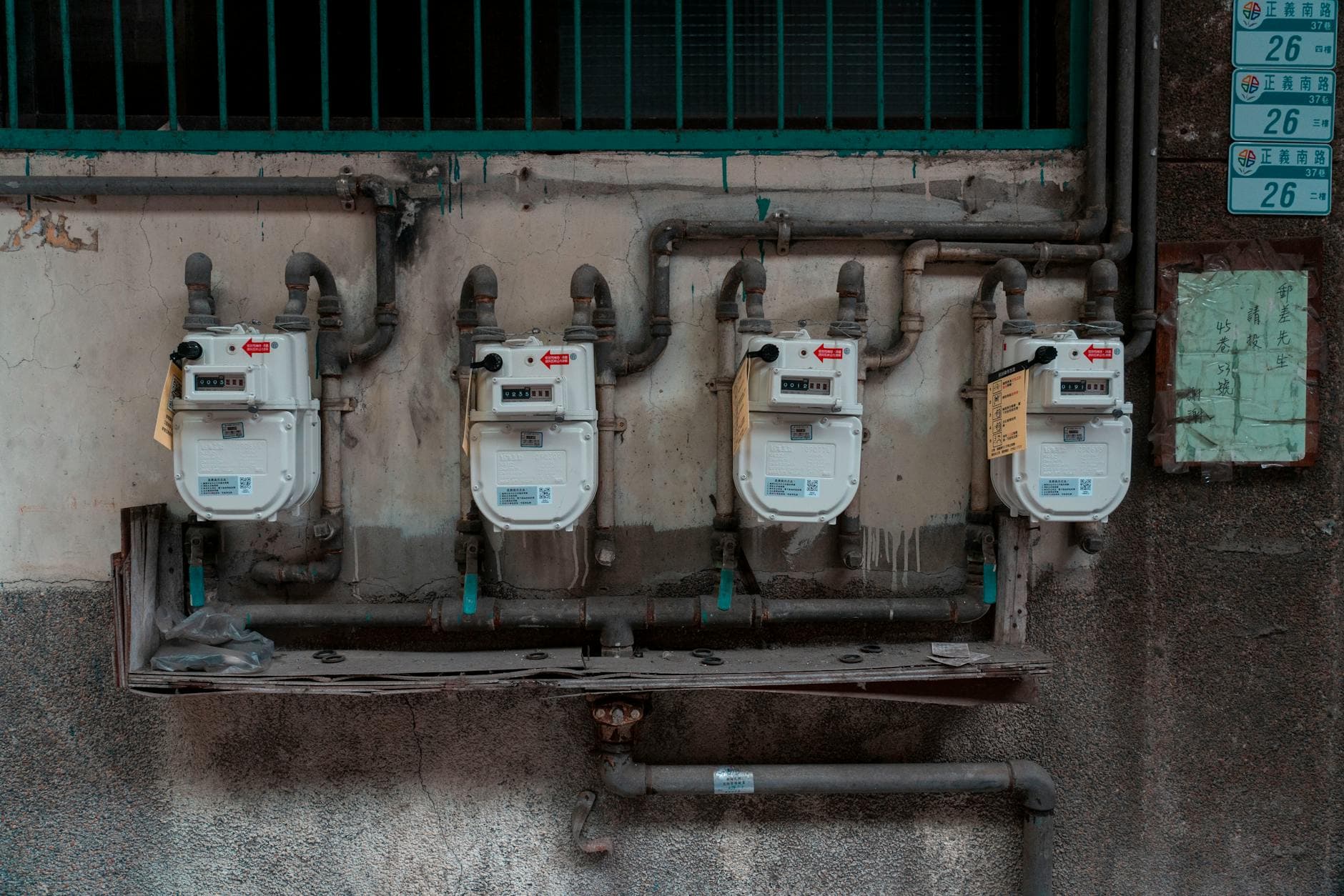
The stakes go beyond monthly utility statements. Higher power costs can feed inflation, weaken growth and force governments back into crisis-management mode. That anxiety echoes the 2022 energy shock that followed Russia’s invasion of Ukraine, when household bills jumped across Europe and the political fallout spread quickly. UK Parliament Commons Library research published in 2026 said average annual dual-fuel bills were still 35% above pre-energy-crisis levels even after a projected 7% fall in the April 2026 price cap.
The latest episode is a reminder that energy policy is now a test of resilience as much as climate ambition. Countries that invested early in hydro, nuclear, wind or solar are better insulated; those that did not are more exposed to the next foreign shock, the next market spike and the next round of pressure on households and industry.
This article was produced by Prism’s automated news system from verified source data, official records, and press releases, then run through automated quality and moderation checks before publishing. The system is built and supervised by the people who set the standards it runs under. Read our full AI policy.
Did this article answer your question?


