Europe weighs special envoy for Ukraine talks with Russia
Europe’s envoy debate exposed a deeper problem: leaders were still split over what peace with Russia should actually require, from a ceasefire to territory to sanctions leverage.
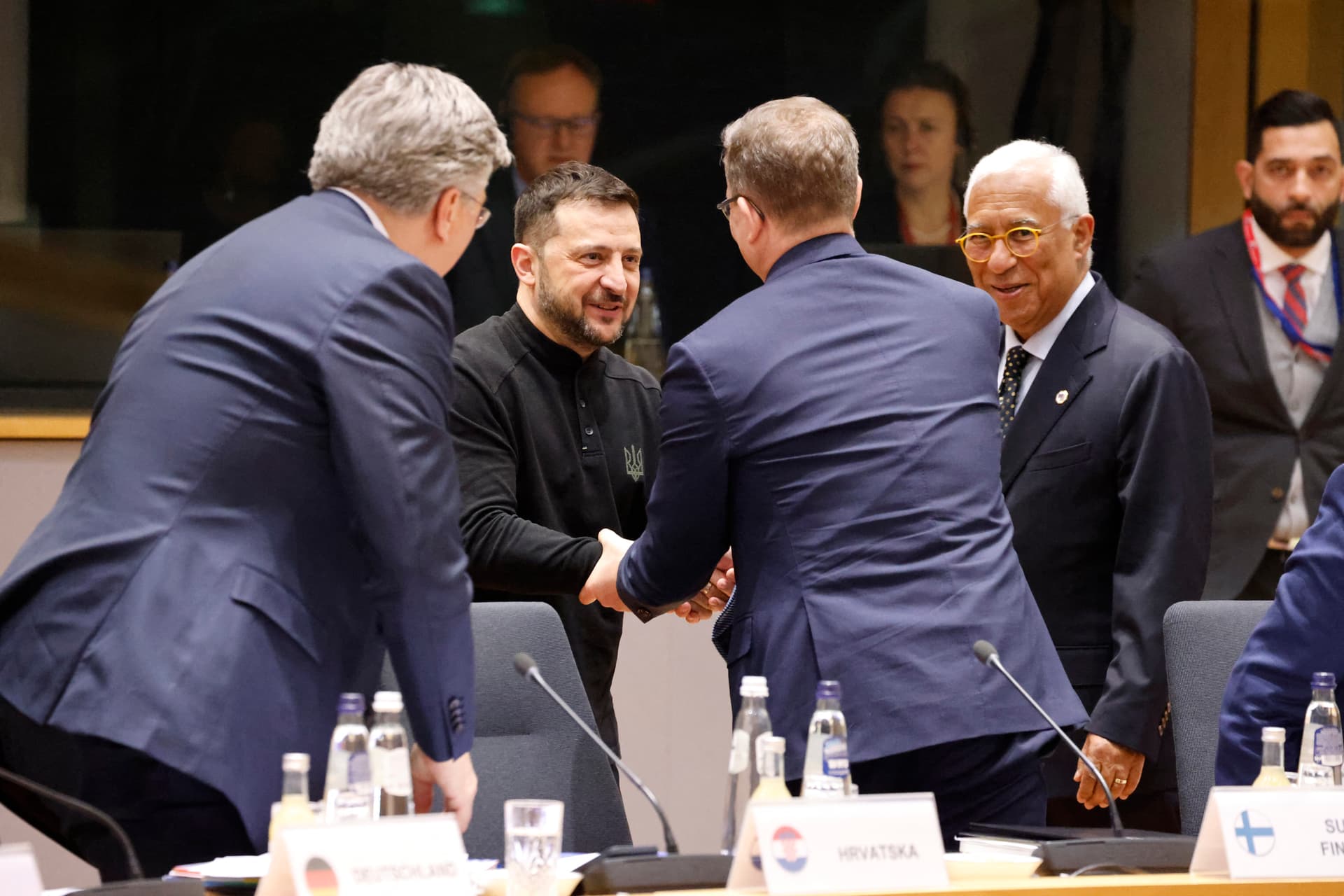
Europe’s fight over a special envoy for Ukraine was never just about the title. It was about whether Brussels could agree on a single purpose before Moscow and Washington set the terms without it.
EU leaders had been expected to discuss naming a representative for possible negotiations to end Russia’s invasion of Ukraine, after Ukrainian officials urged them to move quickly. The push reflected a growing fear in Brussels that Europe could be sidelined while the United States and Russia pursued direct diplomacy. A March 6 summit was meant to help the bloc define a common line on security guarantees, defense, and a post-war settlement, but the harder question remained unresolved: what, exactly, Europe wanted from talks with Vladimir Putin.
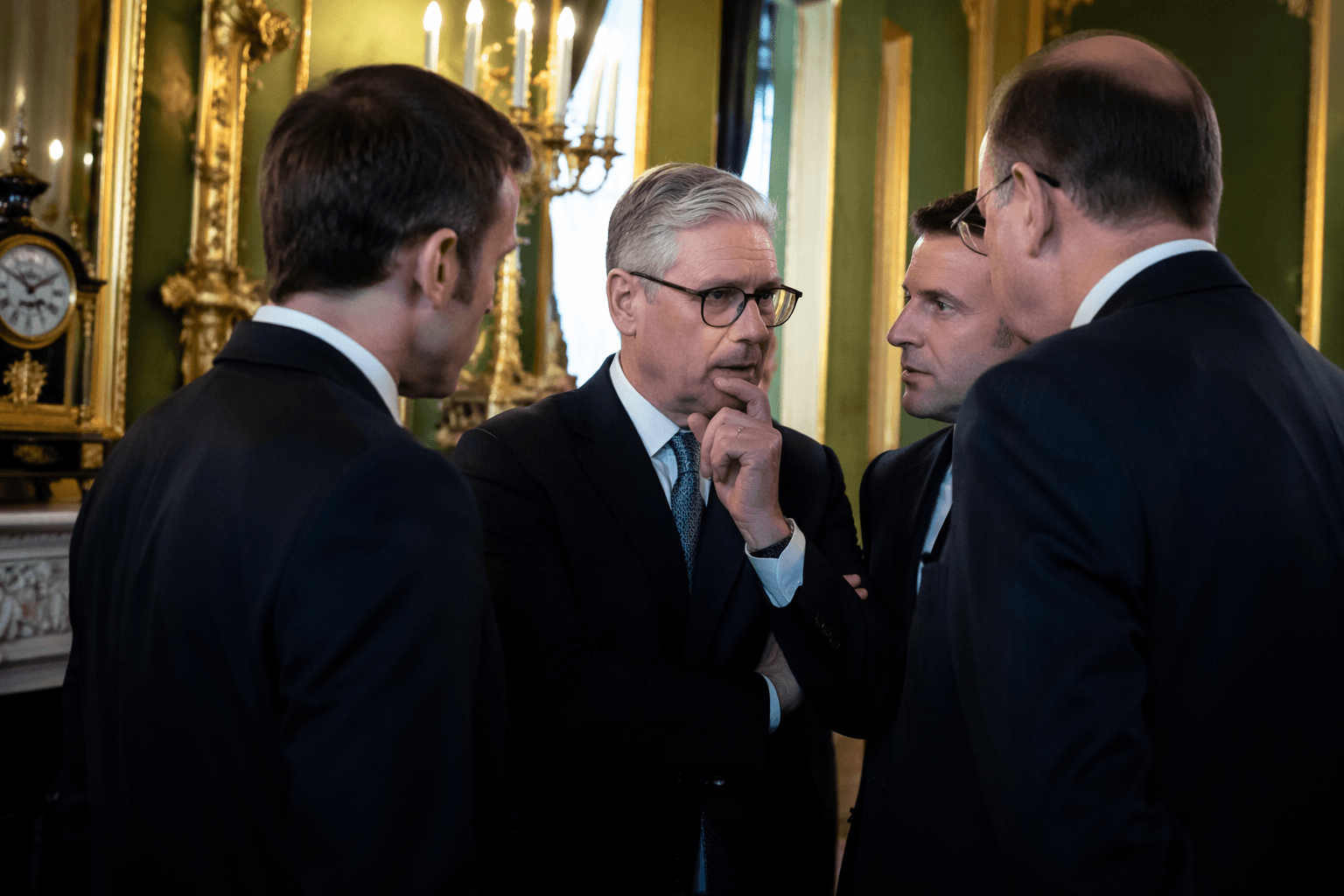
That split was visible in January 2026, when Giorgia Meloni called for Europe to appoint a special envoy to speak with Russia and warned that a divided approach would weaken Europe’s contribution. Meloni said Europe should also speak directly with Moscow, echoed Emmanuel Macron’s earlier call for renewed dialogue, and said it was too early to discuss Russia returning to the G7. She also ruled out Italy joining France and the United Kingdom in sending troops to Ukraine to guarantee a peace deal, underscoring how uneven Europe’s appetite remained for hard security commitments.
The envoy idea gained support from France and Italy and some backing inside the European Commission, but even supporters disagreed over the mandate. One camp wanted a narrowly defined role, with the envoy representing Brussels alongside Kyiv rather than becoming a broad interlocutor for Moscow. Another concern was more basic: Europe wanted a seat at the table, but it also wanted to avoid a U.S.-Russia bargain that could leave Europeans reacting after the fact. That tension exposed the real weakness in the debate. Europe had not settled whether its first ask was a ceasefire, a territorial compromise, deterrence, sanctions leverage, or a wider political settlement.
The substance of those competing goals was already visible in the talks themselves. Rustem Umerov said January discussions with U.S. officials in Florida were “substantive” and would continue in Davos, while Kyiv pressed for security safeguards from both the United States and Europe. A U.S. 28-point peace proposal in November 2025 was seen by many as favoring Russia, prompting Ukraine and European allies to respond with a 20-point counterproposal centered on security guarantees and territorial integrity.
By December 2025, more than five hours of talks in Berlin involving Volodymyr Zelenskyy, Steve Witkoff, Jared Kushner, and Friedrich Merz showed how central Europe had become even without Russia in the room. Zelenskyy ruled out surrendering land for a ceasefire, while Russia demanded that Ukraine withdraw from all of Donbas, including territory its forces did not control. That is why the envoy question matters less than the strategic one underneath it: Europe cannot negotiate effectively with Moscow until it decides what victory, or even acceptable peace, is supposed to look like.
Know something we missed? Have a correction or additional information?
Submit a Tip