European Commission warns of euro zone slowdown after energy shock
Brussels sees the euro zone slowing as Middle East fighting pushes energy prices higher, lifting inflation and clouding growth across Europe.
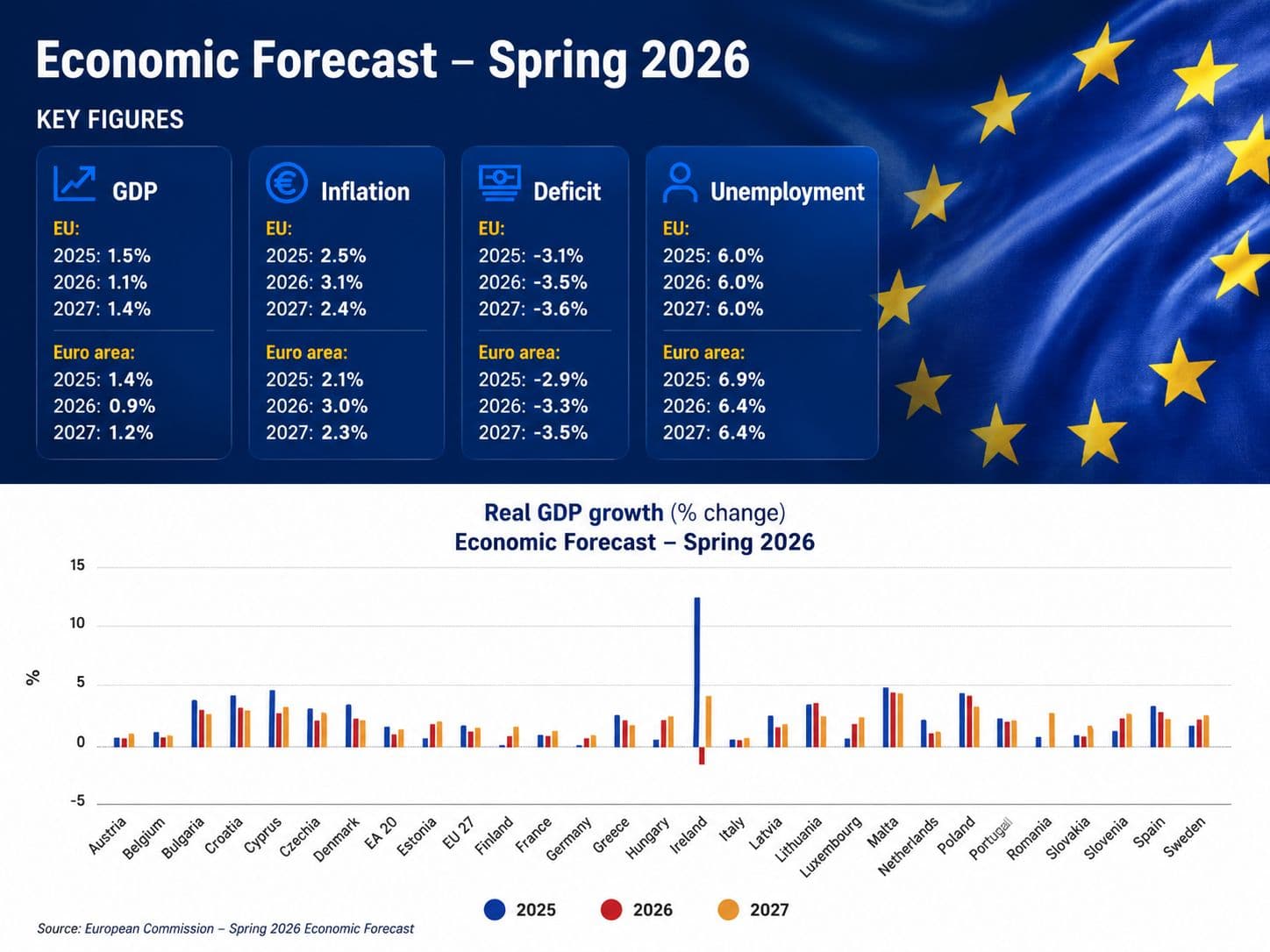
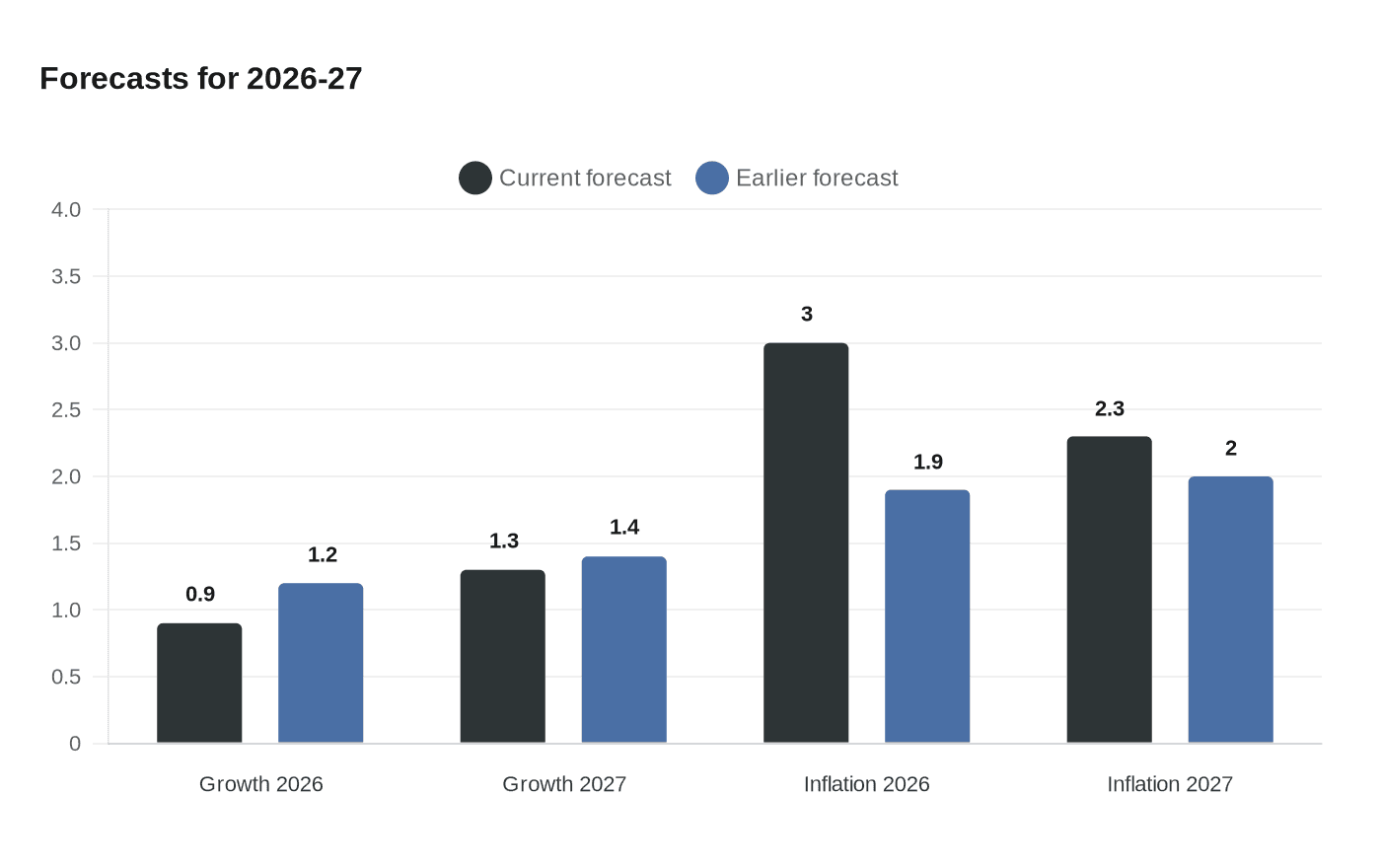
A new energy shock is jolting Europe’s recovery just as policymakers had hoped for calmer inflation and steadier growth. The European Commission now expects euro area growth to slow to 0.9% in 2026, down from 1.3% in 2025, while inflation rises to 3.0% next year before easing to 2.3% in 2027.
The shift is sharp. In its earlier forecasts, the Commission had still been looking for 1.2% growth in 2026 and 1.4% in 2027, with inflation cooling to 1.9% in 2026 and 2.0% in 2027. Its Spring 2026 Economic Forecast says the Middle East conflict has delivered one of the most significant global energy supply disruptions in recent history, less than five years after the shock set off by Russia’s war in Ukraine.

The key transmission channel is oil and gas. The Commission says disruption around the Strait of Hormuz has curtailed seaborne flows of oil by around 15% and liquefied natural gas by around 20%, while attacks on energy infrastructure have damaged refining capacity. With oil prices above $100 a barrel, the hit is already feeding into consumer prices and undermining confidence among households and firms.
That warning is echoed by the European Central Bank, which has said the war in the Middle East created upside risks to inflation and downside risks to growth. ECB staff projections from March said a prolonged disruption in oil and gas supply would leave inflation above baseline and growth below it. The ECB’s Governing Council is scheduled to meet in Frankfurt on June 10 and 11, with the policy announcement and press conference on June 11, and markets are already pricing in the prospect of tighter policy.
The inflation data underline why the ECB is under pressure. Eurostat said euro area energy inflation reached 10.9% in April, far above services inflation at 3.0%, food, alcohol and tobacco at 2.5%, and non-energy industrial goods at 0.8%. The International Monetary Fund’s April outlook for Europe also pointed to the new energy-driven shock, projecting euro area growth of 1.1% in 2026 and flagging elevated risks.
For Europe, the danger is not just a one-off spike in fuel bills but a broader loss of momentum. If the conflict drags on, the Commission warns there may be no meaningful rebound in growth. For the United States and other major economies, the same shock could still travel through gasoline prices, shipping costs, export demand and tighter global financial conditions, a reminder that disinflation remains fragile when energy supply is suddenly squeezed.
Know something we missed? Have a correction or additional information?
Submit a Tip