Experts urge beach safety checks as drowning risks rise nationwide
More children ages 1-4 die from drowning than any other cause, and more than a third of rip-current and surf-zone deaths in 2023 fell in June and July.
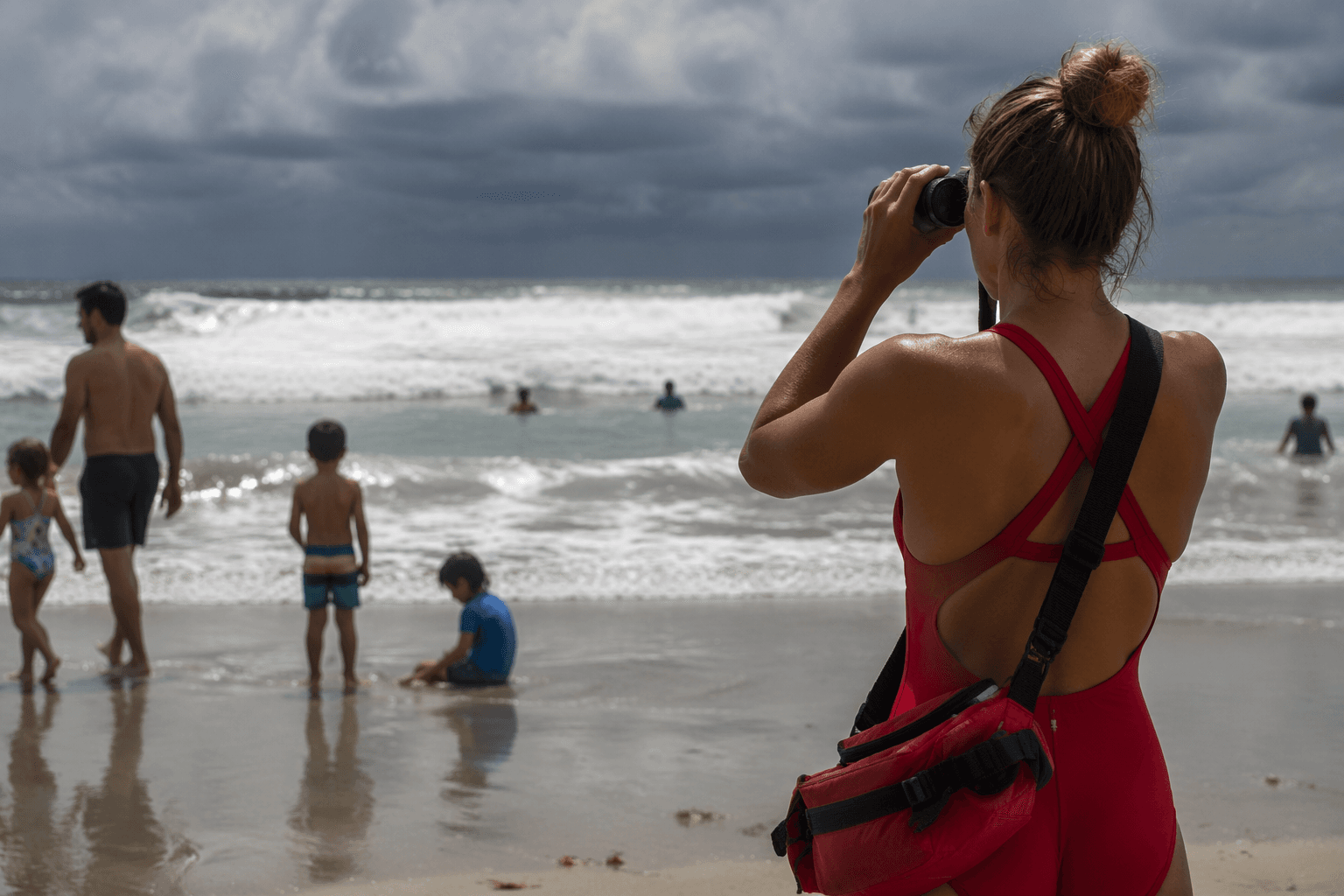
Families heading to the shore are being urged to check the beach the same way they would check a weather app before a storm: look for flags, read the surf forecast, and decide in advance whether the water is safe. Wyatt Werneth of the American Lifeguard Association said the first step is simple but often overlooked, do research before leaving home, because open-water conditions can change fast and the wrong beach can turn dangerous in minutes.
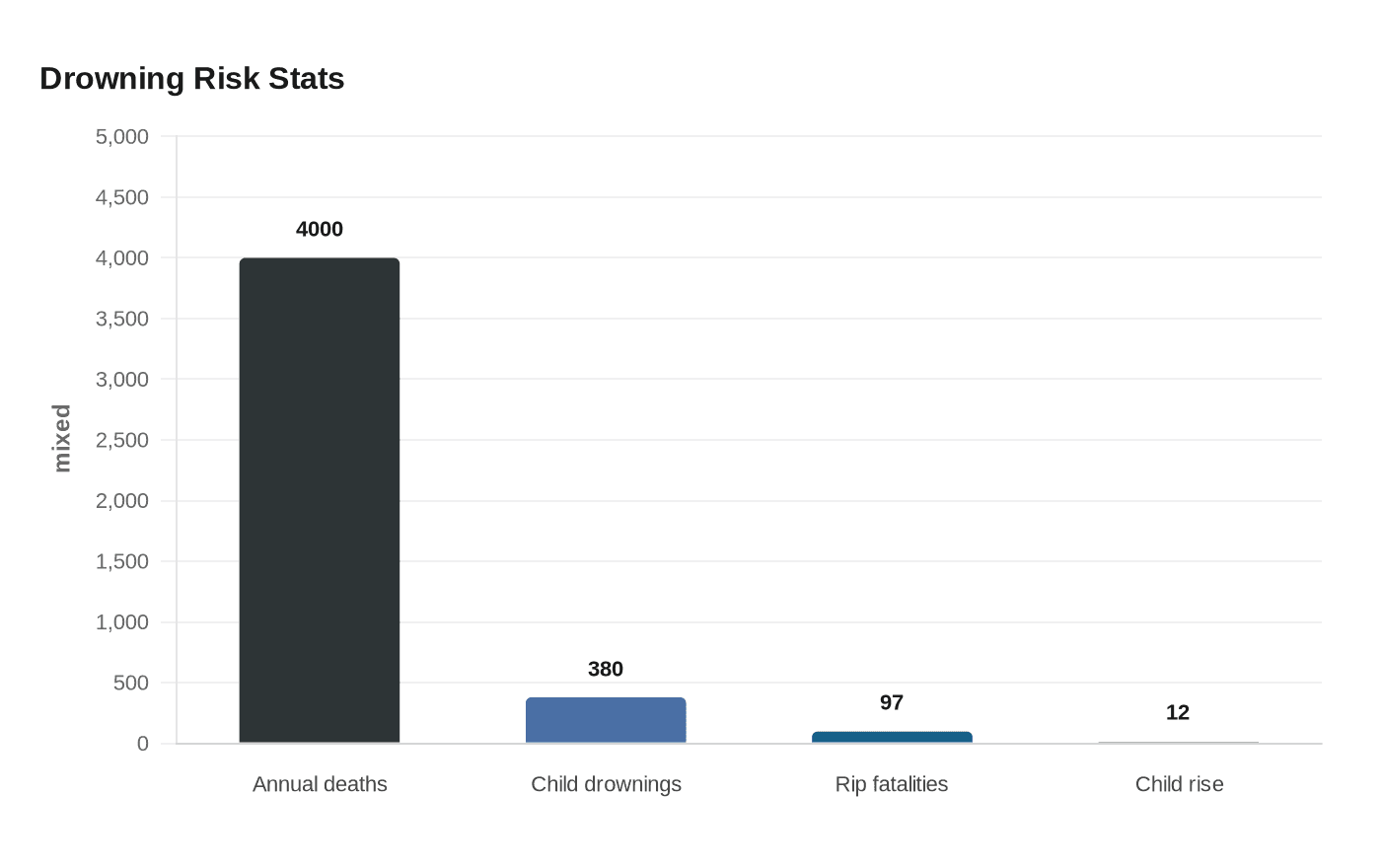
The warning lands with sharp national urgency. The Centers for Disease Control and Prevention says more children ages 1-4 die from drowning than from any other cause, drowning is the second leading cause of unintentional injury death for children ages 5-14, and the United States sees more than 4,000 unintentional drowning deaths each year. In June 2024, the U.S. Consumer Product Safety Commission said fatal drownings for children rose 12% in 2021 compared with 2020, with 380 fatal child drownings reported that year.
Safety experts say the most preventable mistakes happen before anyone gets in the water. The American Red Cross says families should choose a lifeguarded beach, never swim alone, stay within swimming and fitness abilities, and keep children in sight and within arm’s reach. It also warns that ocean swimming requires stronger and different skills than pool swimming, a distinction that can matter when waves, currents, and fatigue build quickly.
The National Weather Service and the National Oceanic and Atmospheric Administration say beachgoers need to check for rip currents, changing tides, wave action, thunderstorms, underwater obstacles, and other hazards before entering the water. NOAA says hurricanes and tropical storms can create rip currents even when they are far from shore, making a calm-looking beach deceptive. NOAA also said more than one third of the 97 rip current and surf-zone fatalities across the United States in 2023 happened in June and July, the heart of the summer beach season.
NOAA’s Beach Safety Week ran May 18-25, 2026, and the agency encouraged beachgoers to use beach and surf-zone forecasts that include rip current risk, wave conditions, and water temperature. That guidance matters as coastal agencies, including officials in North Carolina and Kill Devil Hills, reported dozens of rip-current rescues and elevated surf risks over the Memorial Day weekend. The pattern is clear: the safest beach day is the one shaped by a lifeguard’s warning, a forecast check, and a hard look at swim ability before the first step into the surf.
Know something we missed? Have a correction or additional information?
Submit a Tip