WHO warns Ebola outbreak in Congo, Uganda will worsen before easing
WHO says the Ebola outbreak crossing Congo and Uganda is still accelerating, with more than 100,000 newly displaced people, new cases in South Kivu and no licensed vaccine.
Ebola is spreading across the Congo-Uganda border faster than health systems have contained it, and WHO says the outbreak is likely to worsen before it eases. The alarm now centers on movement between conflict-hit eastern Congo and Uganda, where cases have appeared in multiple zones and in Kampala, exposing gaps in surveillance, isolation and cross-border tracing.
WHO first received an alert on 5 May about a high-mortality mystery illness in Mongbwalu Health Zone in Ituri Province, where deaths among health workers raised immediate concern. By 15 May, laboratory testing on 13 blood samples from Rwampara Health Zone had confirmed Bundibugyo virus disease in eight samples, and Congo declared its 17th Ebola outbreak. Uganda confirmed its own outbreak the same day after an imported case from Congo died in Kampala.
Tedros Adhanom Ghebreyesus said the situation was serious enough to warrant extraordinary action, declaring a Public Health Emergency of International Concern on 16 May. On 19 May, he said the outbreak would "get worse before it gets better," pointing to more than 500 suspected cases, 130 suspected deaths, conflict in Ituri and the absence of licensed vaccines or specific therapeutics for Bundibugyo virus.
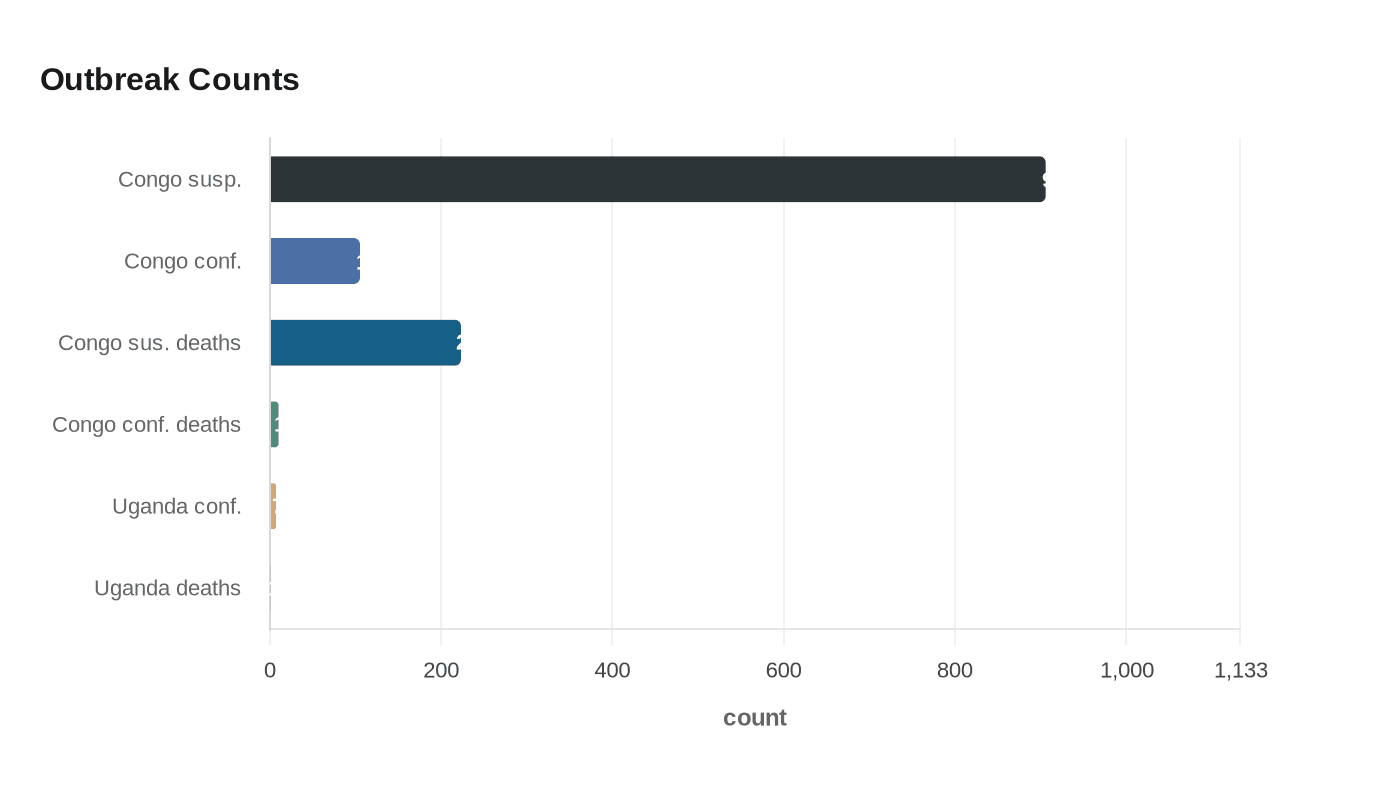
The numbers have climbed sharply. WHO said on 21 May that Congo had 746 suspected cases and 176 deaths among suspected cases, while 85 confirmed cases and 10 deaths had been reported across both countries, including two confirmed cases in Uganda. By 25 May, CDC said Congo had 906 suspected cases, 105 confirmed cases, 223 suspected deaths and 10 confirmed deaths, while Uganda had seven confirmed cases and one confirmed death. A new confirmed case in South Kivu showed the outbreak had expanded beyond the earlier focus on Ituri and North Kivu.
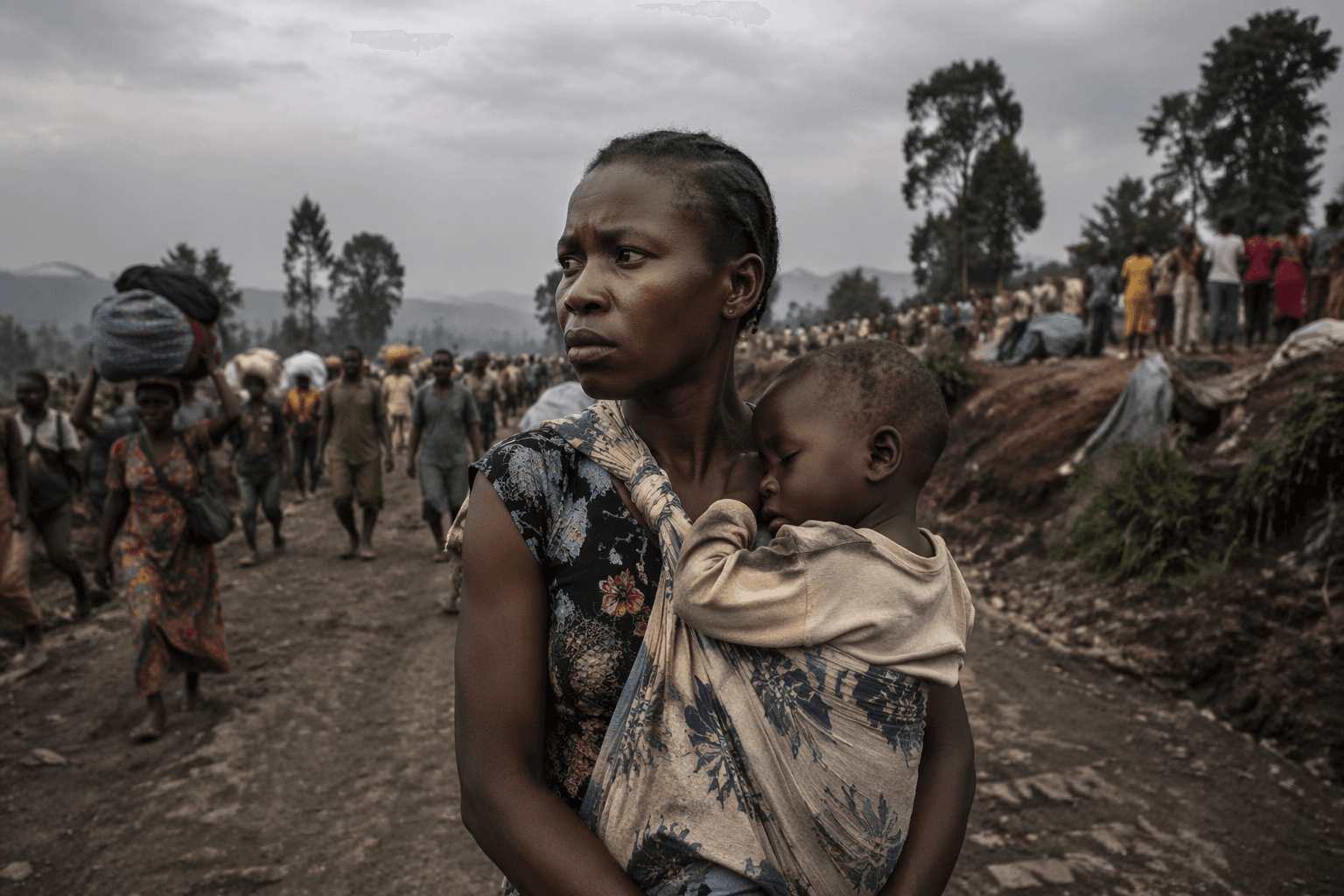
Health authorities say the virus is being pushed by insecure conditions, inadequate isolation and referral systems, and population movement in a mining zone and conflict area. Tedros said conflict in Ituri had intensified from late 2025 and that more than 100,000 people had been newly displaced, making contact tracing and safe care far harder. Uganda also postponed its annual Martyrs’ Day celebrations, which can draw up to two million people, because of the outbreak risk.
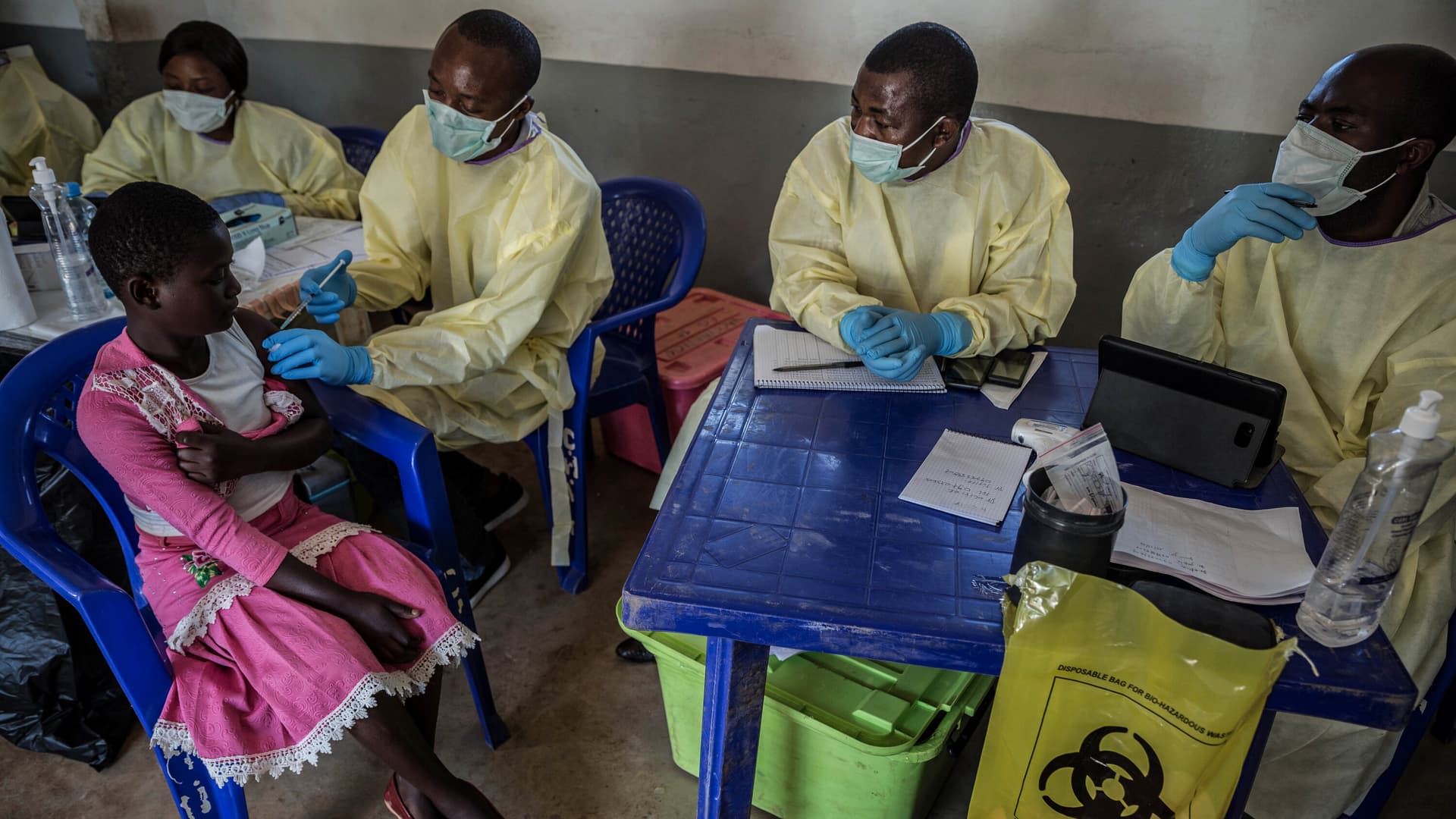
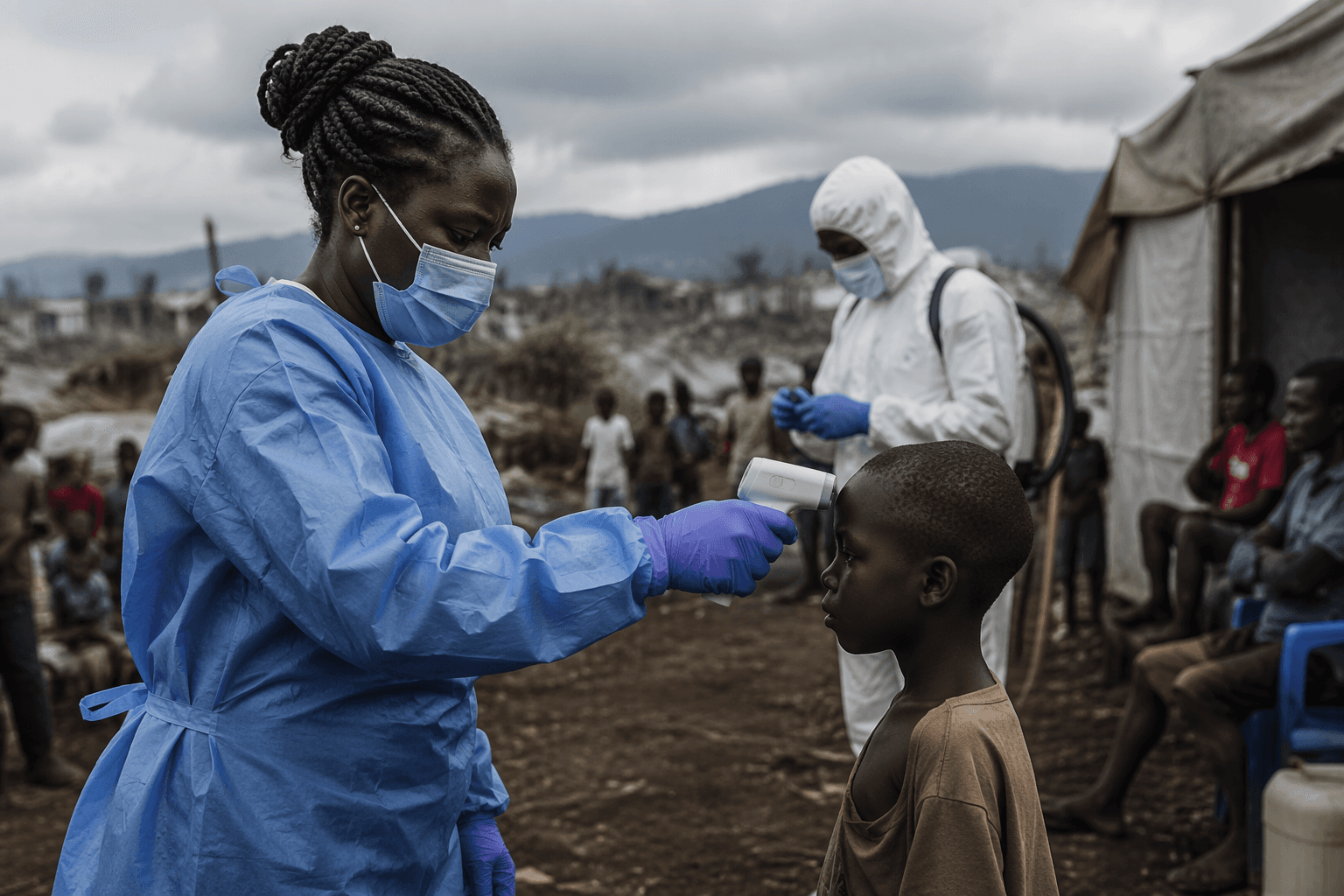
The response has widened, but so has the warning. WHO, national authorities and partners are deploying rapid response teams, laboratory testing, infection prevention and control assessments, safe treatment centers and community engagement. CDC said the United States began enhanced travel screening and entry restrictions on 18 May, while Imperial College London researchers estimated the true outbreak size could be 400 to 800 cases and possibly more than 1,000, suggesting the official tally may still be lagging behind the spread.
Know something we missed? Have a correction or additional information?
Submit a Tip