FAA warns carriers to exercise caution over parts of Latin America and eastern Pacific
The FAA issued NOTAMs urging airlines to take caution over Mexico, Central America, Colombia, Ecuador and parts of the eastern Pacific; the advisory could reshape routes, costs and cargo flows.
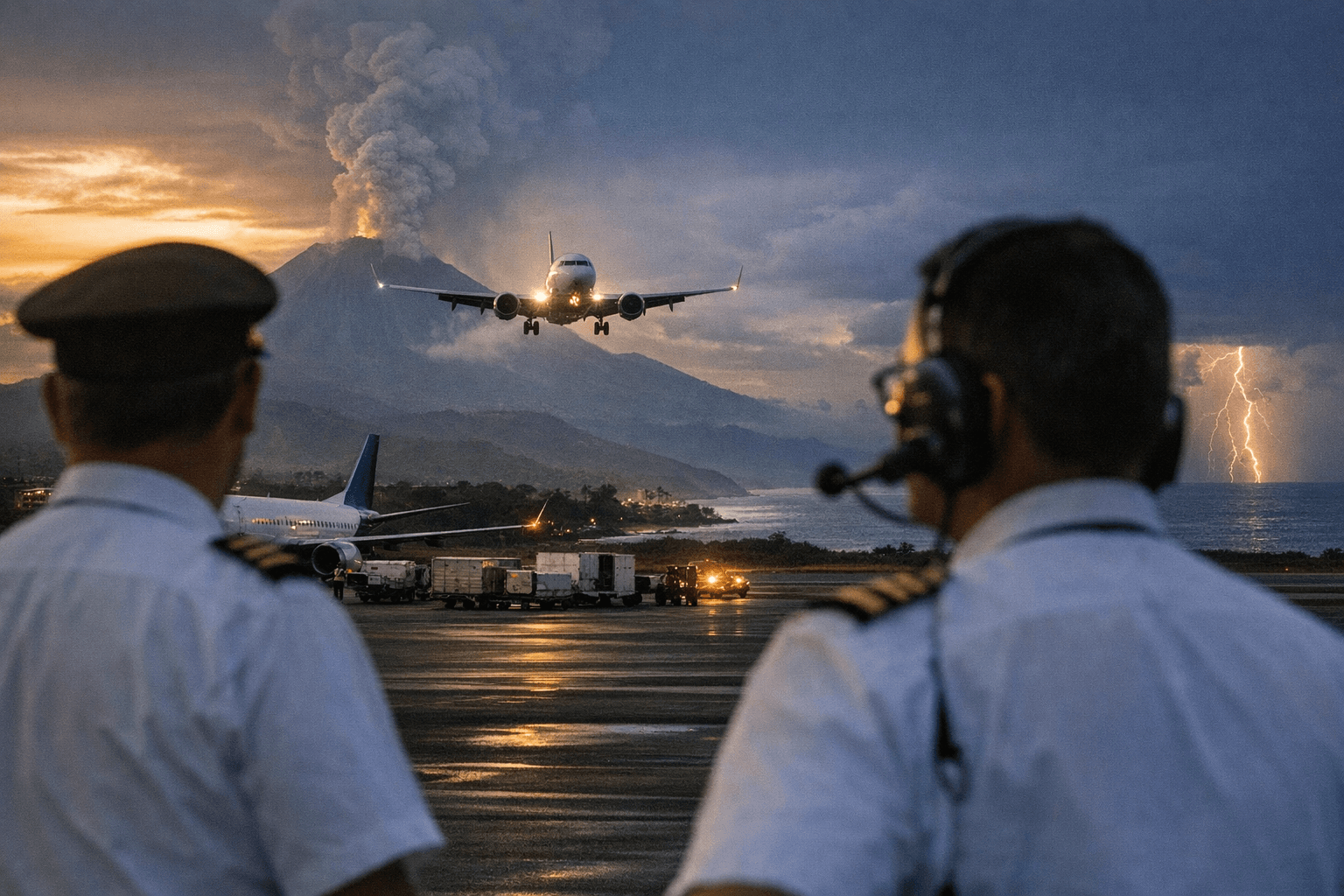
The U.S. Federal Aviation Administration on Jan. 16, 2026 issued a series of Notices to Airmen (NOTAMs) urging commercial carriers to exercise caution when flying over parts of Central America, Mexico, Ecuador, Colombia and portions of the eastern Pacific, citing risks to flight operations. The advisory does not ground flights, but it signals elevated operational uncertainty that could prompt airlines to reroute, delay services, or change payload plans.
NOTAMs are routine instruments used by regulators to inform pilots and operators about hazards, restricted airspace or temporary changes to flight procedures. In this instance the FAA’s guidance covers a broad swath of airspace that sits along key north-south and transoceanic corridors used by passenger and cargo services connecting the United States with Latin America and transpacific destinations. Airlines and business shippers rely on predictable routing over these corridors to maintain schedules and margins; a sustained change in routing could raise operating costs and ripple through supply chains.
For airlines the immediate commercial impact is straightforward: longer routings and tighter operational buffers mean higher fuel burn, altered crew duty cycles and pressure on on-time performance. Fuel and logistical costs are among the largest variable items on carriers’ income statements, so even partial rerouting can erode thin margins, particularly on regional and low-cost airlines that compete on price. Cargo airlines are especially exposed because time-sensitive shipments, perishables, semiconductors and industrial parts, depend on predictable flight times between manufacturing hubs in Latin America and distribution centers in North America and Europe.
Insurance and risk management markets will monitor the advisory closely. Aviation insurers adjust premium calculations when regulators signal elevated hazards; that can increase cover costs for carriers and freight forwarders. For shippers, insurance and freight surcharges may rise if carriers pass along higher operating or liability expenses.
The FAA advisory also has policy ramifications. U.S. regulators regularly coordinate with foreign aviation authorities in safety assessments; an FAA NOTAM of this scale increases pressure on regional governments to clarify the causes of risk and to tighten airspace management. The move may also encourage other civil aviation authorities to issue parallel advisories, amplifying operational constraints across international carriers. For policymakers in Washington, Madrid and regional capitals, the balance will be between maintaining open air links that support trade and tourism and ensuring crews and passengers are not exposed to avoidable danger.
Longer term, the episode underscores a trend toward more frequent operational advisories tied to geopolitical and security volatility, and to increasingly complex threat environments that include surface and unmanned systems as well as asymmetric risks. Aviation is sensitive to those shifts because it networks economies across borders; disruptions can shorten supply chains on paper but lengthen them in practice through detours, inventory hoarding and higher air freight costs.
The FAA’s NOTAMs stopped short of forbidding use of the designated airspace, but they raised a warning flag that airlines, insurers and shippers will treat as a trigger to reassess routes and contingency plans. How carriers respond in the coming days will determine how quickly passenger timetables and cargo lanes return to normal and what the near-term economic cost will be for commerce between the Americas and beyond.
This article was produced by Prism’s automated news system from verified source data, official records, and press releases, then run through automated quality and moderation checks before publishing. The system is built and supervised by the people who set the standards it runs under. Read our full AI policy.
Did this article answer your question?


