FAO warns Hormuz disruption could trigger global food price shock
A Hormuz shock would not stop at tanker routes: FAO says fertilizer, shipping and harvests could feed a global food-price crisis within six to 12 months.
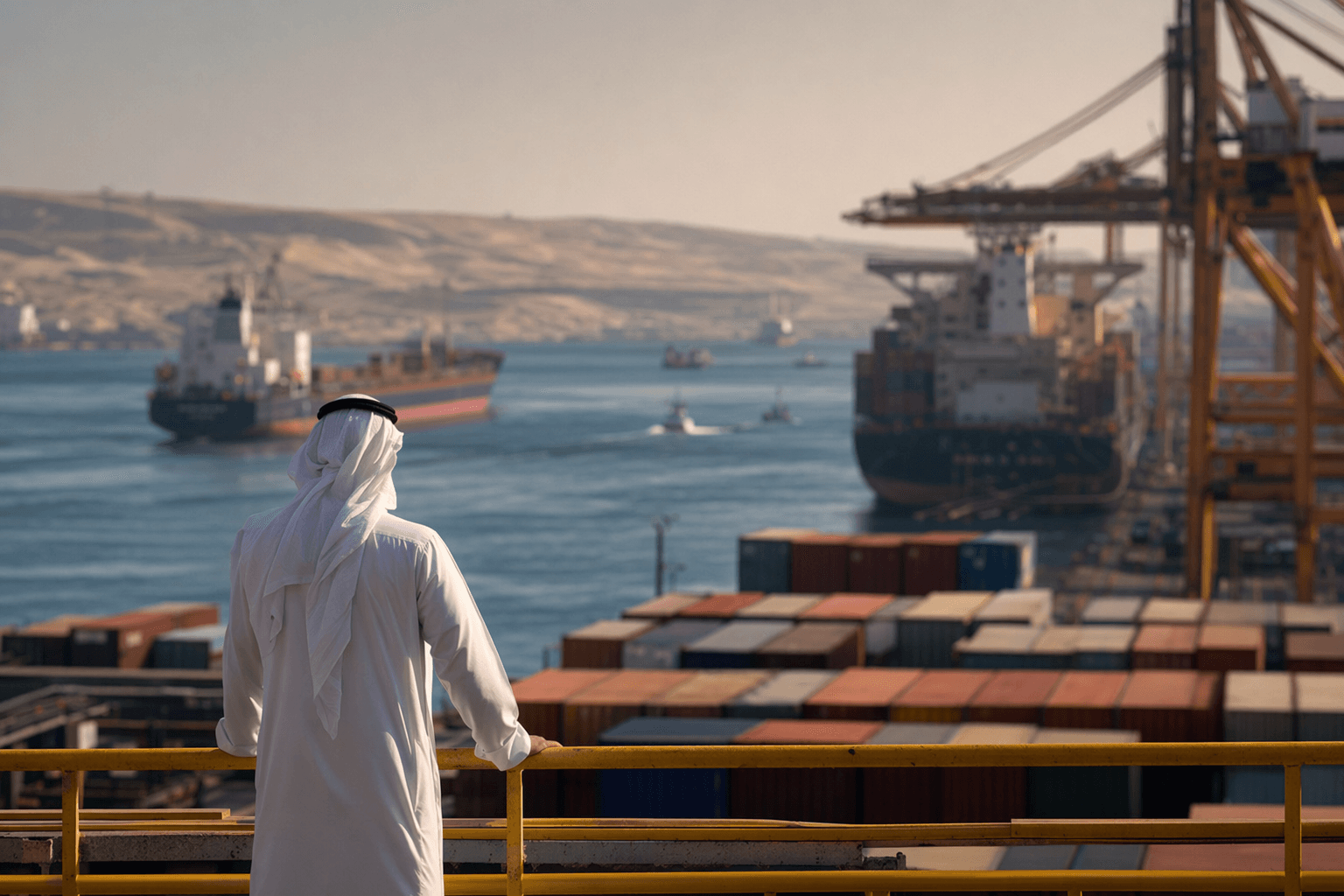
A disruption in the Strait of Hormuz could reach dinner tables far beyond the Gulf, raising the cost of bread, rice and cooking oil after first squeezing fertilizer, shipping and farm output. The United Nations Food and Agriculture Organization said the risk is not a brief transport hiccup but a systemic agrifood shock that could turn into a severe global food price crisis within six to 12 months.
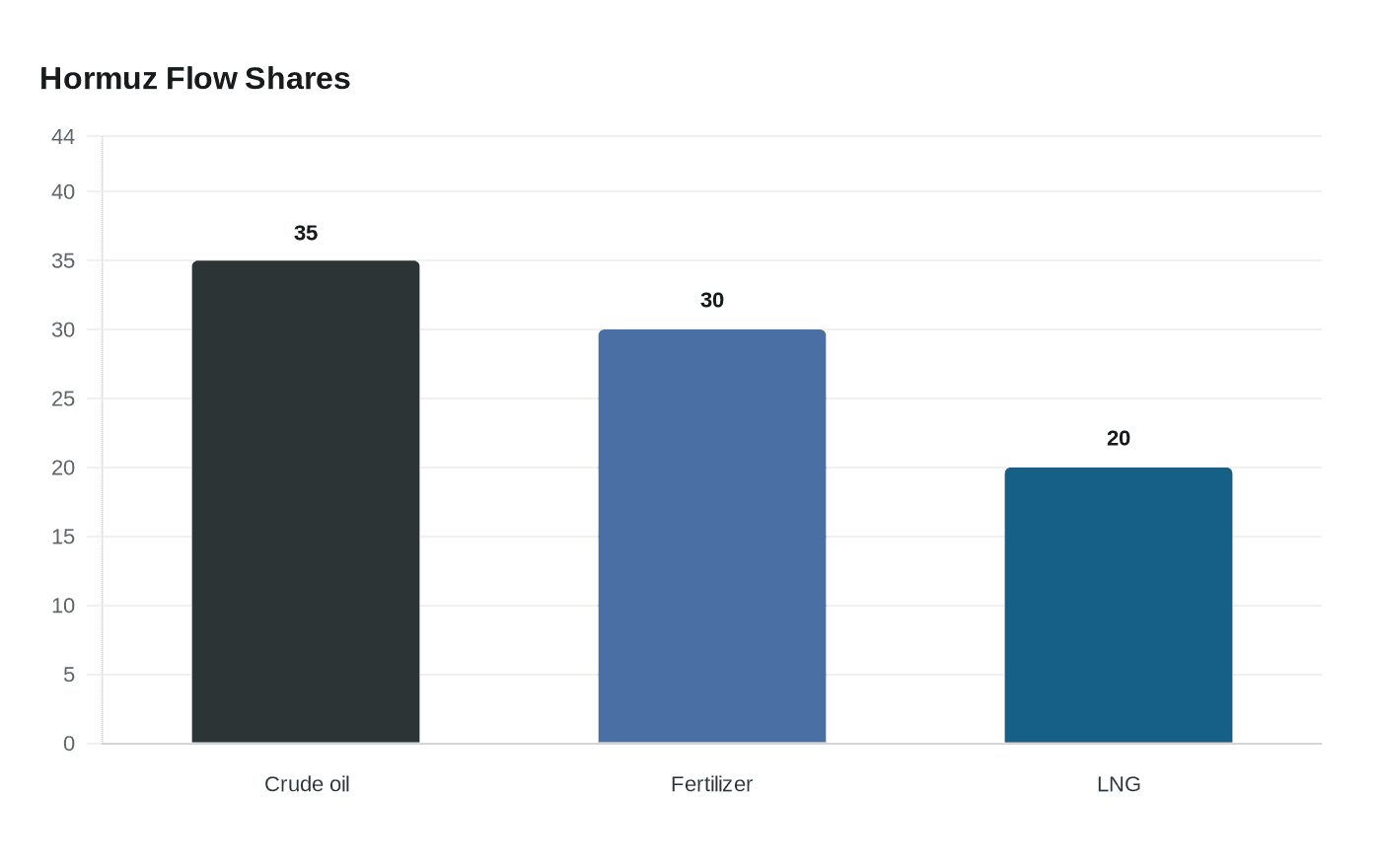
The warning rests on a chain reaction that starts in the waterway’s oil and freight lanes. UNCTAD said shipping through Hormuz fell by more than 95 percent, dropping from an average of 103 vessels in the last week of February to single digits within weeks. UN News said tanker traffic declined by more than 90 percent and that the corridor normally carries about 35 percent of global crude oil flows, 30 percent of fertilizer trade and one-fifth of global LNG. That matters because higher fuel, insurance and transport costs quickly raise the price of moving fertilizer and grain, even if some oil flows resume later.
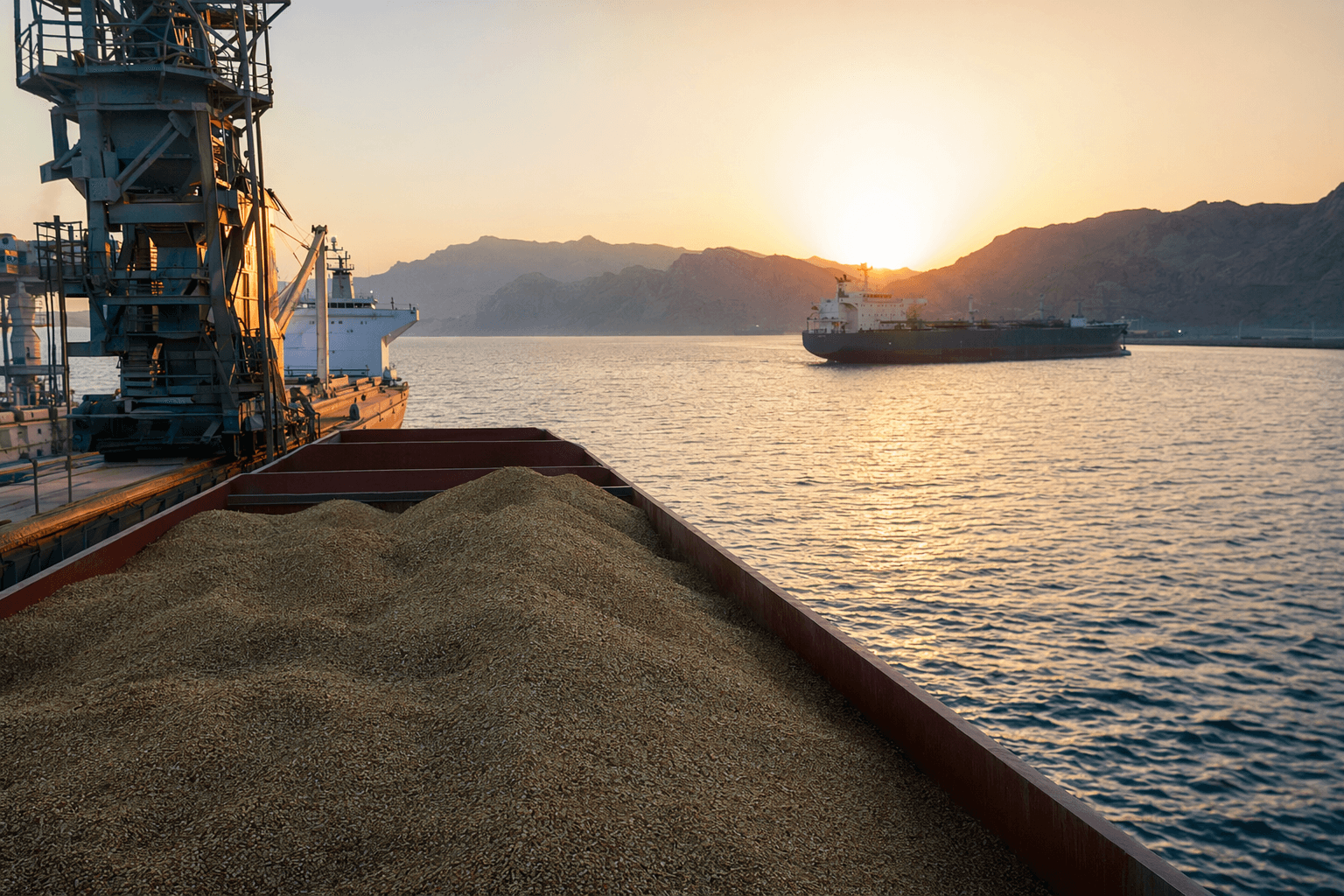
FAO chief economist Máximo Torero said the shock unfolds in stages: energy, fertilizer, seeds, lower yields, commodity price increases, then food inflation. FAO Director-General Qu Dongyu said fertilizer scarcity would tighten food supplies in the latter half of 2026 and into 2027, because fertilizer must be applied in narrow crop windows and delays of even a few weeks can force farmers to cut doses or skip application entirely.
The numbers are already moving. The World Bank said its fertilizer price index rose more than 12 percent in the first quarter of 2026, and by April urea had climbed above $850 per metric ton, up 80 percent since February. The bank said prices could rise by more than 30 percent this year if disruptions continue. Iran halted ammonia production, Qatar suspended output of urea, ammonia and sulfur after damage to key facilities, and India cut urea and ammonia output as LNG supplies tightened.
Food prices are following the pressure. FAO said its Food Price Index averaged 130.7 points in April 2026, up 1.6 percent from March and the highest since February 2023, marking a third straight monthly increase. FAO said the rise was driven in part by high energy costs and disruptions tied to the Middle East conflict.
The heaviest blow would fall on import-dependent countries that already have thin buffers. FAO and UN sources singled out Sudan, Somalia, Mozambique, Kenya and Sri Lanka, and warned that El Niño could deepen the damage through drought and rainfall disruption. The UN has set up a task force led by Jorge Moreira da Silva of UNOPS to organize safe humanitarian transit of fertilizers and related raw materials through Hormuz, with a one-stop platform planned within seven days once passage is allowed. FAO said alternative routes through the eastern Arabian Peninsula, western Saudi Arabia and the Red Sea exist, but their capacity is limited, making the food shock likely to outlast the immediate military or diplomatic crisis.
Know something we missed? Have a correction or additional information?
Submit a Tip