FDA Rejects Replimune Melanoma Drug, Citing Insufficient Evidence for Approval
The FDA rejected Replimune's RP1 melanoma drug for a second time, citing flawed single-arm trial data, sending shares plunging nearly 62% and leaving patients without a new treatment option.
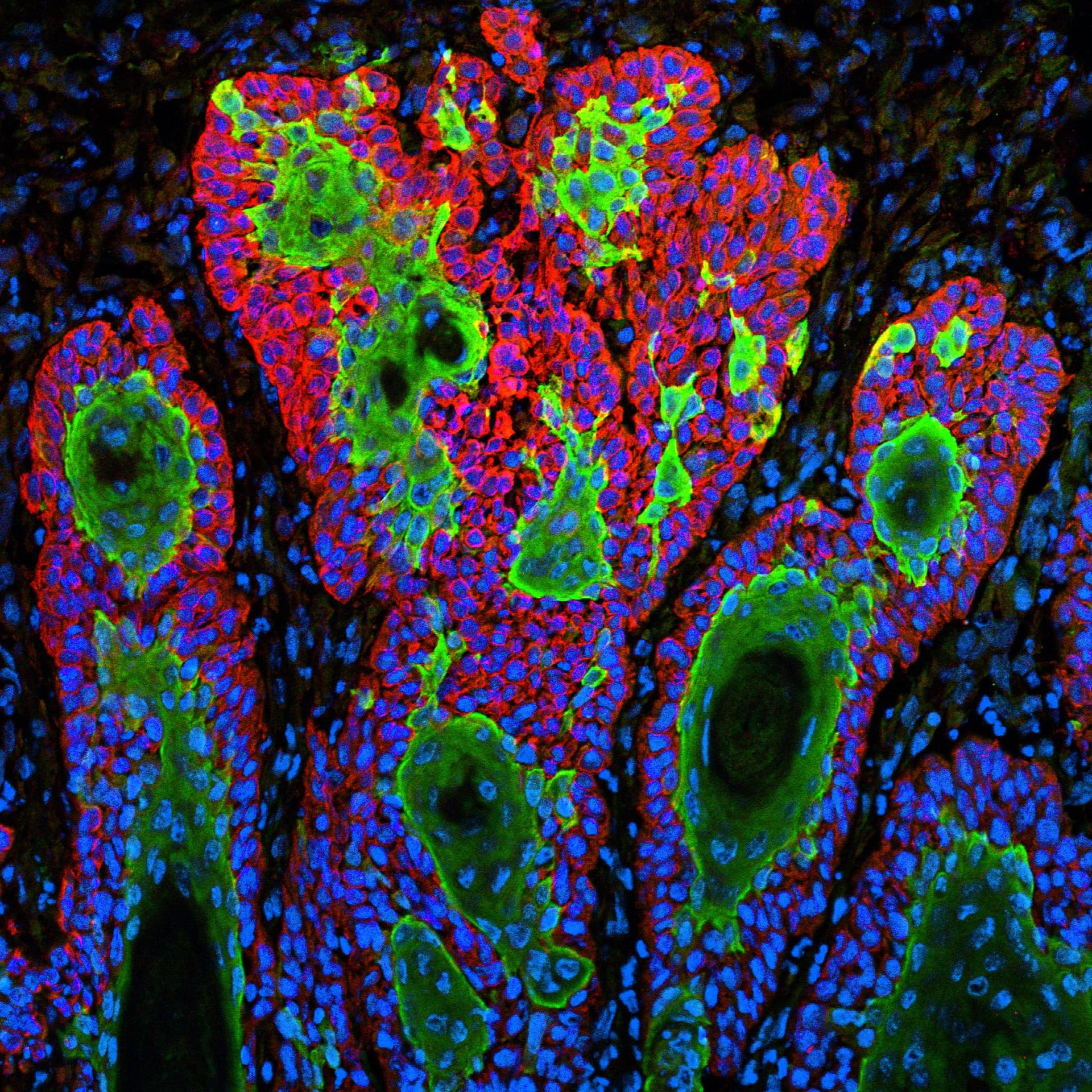
The U.S. Food and Drug Administration rejected Replimune Group's experimental melanoma drug for the second time, issuing a Complete Response Letter that found the company's single-arm clinical trial data fundamentally inadequate to support approval and raising sharp questions about how novel oncolytic therapies can navigate an increasingly demanding regulatory standard.
The CRL, issued April 10 and published to the FDA's public docket the same day, targeted RP1, known generically as vusolimogene oderparepvec, which Replimune had sought to approve in combination with Bristol Myers Squibb's checkpoint inhibitor nivolumab for patients with advanced melanoma who had already progressed on prior anti-PD-1 therapy. A Complete Response Letter does not automatically end a drug's regulatory life, but it signals that an application cannot be approved in its current form, and it obligates the sponsor to address each deficiency before resubmitting.
The FDA determined that the IGNYTE trial did not constitute an adequate and well-controlled study. Specifically, the agency concluded that the submitted Phase 2 data from study RPL-001-16 and supporting dataset RP1-104 could not isolate RP1's contribution from nivolumab's known activity, that the patient population was heterogeneous in ways that confounded interpretation, and that response assessments carried uncertainty due to surgical interventions during the trial. The FDA also found that duration-of-response and progression-free survival analyses lacked the rigor required under applicable approval standards.
In the IGNYTE trial, patients with confirmed progression on an anti-PD-1-based regimen who received RP1 plus nivolumab had a 34% response rate with a median duration of response of 24.8 months. Replimune had argued that result represented clinically meaningful benefit in a population with few remaining options. The FDA, in the view of its second review team, disagreed that the aggregate data rose to the threshold of substantial evidence of effectiveness.
Replimune's shares declined 61.75% following the announcement, reflecting a significant negative market reaction. Piper Sandler downgraded the stock from overweight to neutral and slashed its price target to $4. BMO Capital moved to underperform. The depth of those analyst revisions reflects the difficulty of charting a near-term commercial path when the FDA's concerns touch the core design of the pivotal trial, not a fixable manufacturing deficiency or a labeling question.
The rejection stings in part because it is the second. Following a Type A meeting with the FDA, Replimune reported that a forward pathway had not been determined to obtain accelerated approval for RP1. The company resubmitted its BLA in October 2025 with additional analyses and received a PDUFA date of April 10, 2026, under a Class II resubmission timeline. That resubmission was reviewed by a different clinical team than the original, and that team reached the same conclusion: the data were insufficient.

Replimune said it disagrees with parts of the agency's assessment and contends the FDA appeared to contradict positions it had expressed at a September 2025 Type A meeting, including prior acknowledgment that randomizing patients to an anti-PD-1-only control arm in a confirmatory study was not feasible. The company said it plans to engage with the FDA to understand the new review team's specific concerns and is evaluating whether to pursue additional analyses, further data collection, or new studies.
The Phase 3 IGNYTE-3 trial is ongoing, focusing on overall survival as the primary endpoint, with completion expected in 2029. The global study is enrolling approximately 400 patients with advanced melanoma who progressed on or are ineligible for checkpoint inhibitors. That trial's overall survival endpoint addresses the most common regulatory objection to accelerated approval pathways built on response rate data alone, but its 2029 timeline means patients will wait years before a Phase 3-backed application is possible.
Melanoma is the fifth most common cancer, with approximately 112,000 new cases estimated in the U.S. in 2026, and the most lethal form of skin cancer, accounting for nearly 8,500 deaths annually. Standard first-line therapy relies on immune checkpoint blockade, but patients who progress after anti-PD-1 treatment have few proven salvage options, which is the population Replimune has targeted. Until IGNYTE-3 produces survival data or the company finds another regulatory route, those patients will not have access to RP1 outside of clinical trials.
The broader significance for the biotech sector is structural. The FDA's detailed objections underscore that single-arm trials supported by response rate data, once a reliable path to accelerated approval in oncology, face heightened scrutiny when the investigational agent is combined with an already-approved immunotherapy whose own activity is difficult to separate from the experimental drug's effect. How Replimune responds to that challenge, and whether the agency and the company can agree on a feasible confirmatory design, will likely determine whether RP1 ever reaches the patients the IGNYTE investigators argue it can help.
This article was produced by Prism’s automated news system from verified source data, official records, and press releases, then run through automated quality and moderation checks before publishing. The system is built and supervised by the people who set the standards it runs under. Read our full AI policy.
Did this article answer your question?

