Fed minutes show rising support for rate hikes if inflation persists
Fed officials opened the door to another rate hike if inflation stays hot, as Middle East oil shocks pushed 2026 inflation forecasts higher and bond yields climbed.
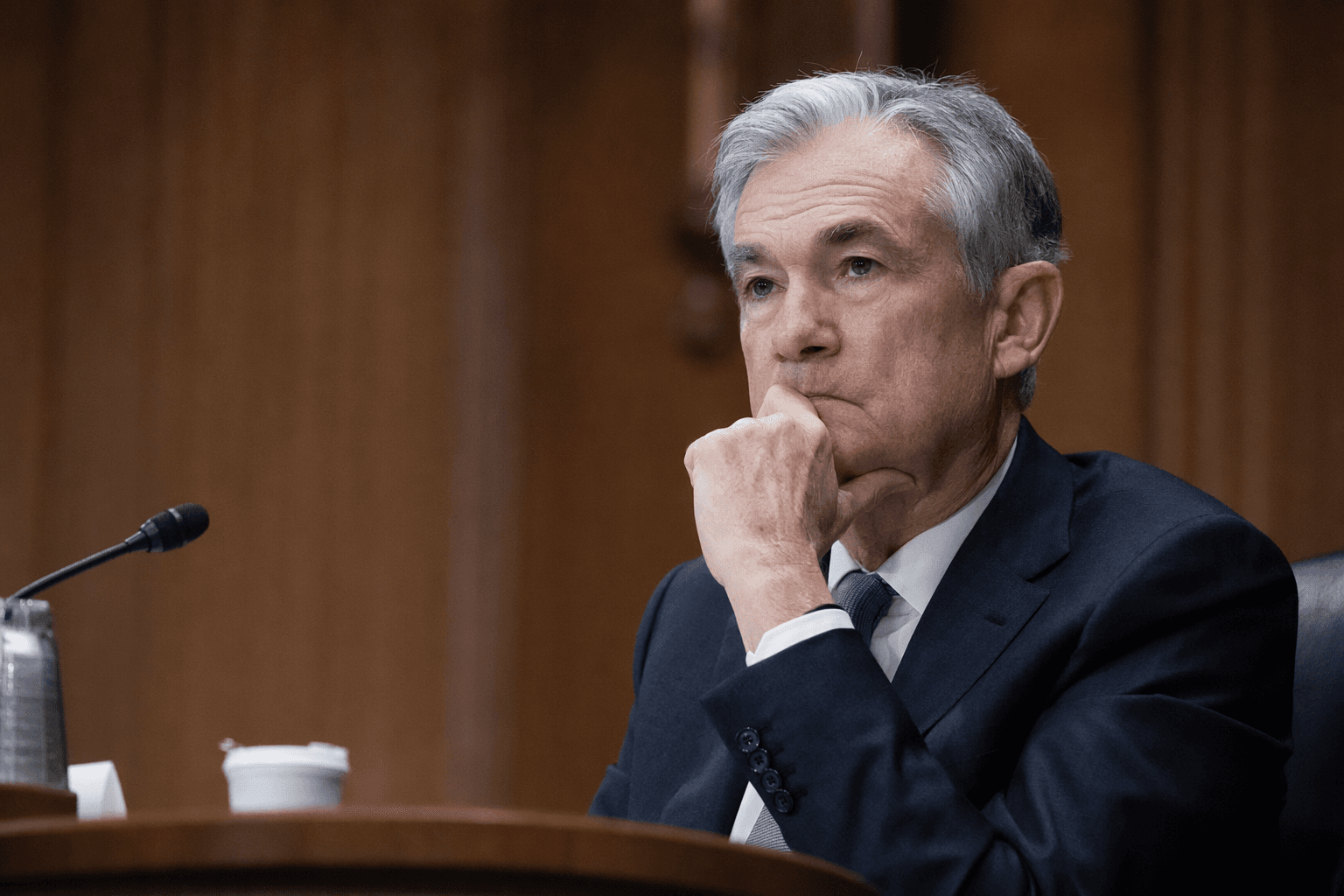
Federal Reserve officials moved closer to a more hawkish stance in April, with a majority saying some policy firming would likely be appropriate if inflation kept running above 2%. The minutes show a clear shift in psychology: policymakers were no longer only debating how long to hold rates high, but whether they might need to raise them again if price pressures proved sticky.
The Federal Open Market Committee left its benchmark federal funds rate unchanged at 3.50% to 3.75% at the April 28-29 meeting, but the vote exposed a central bank increasingly uneasy about inflation. The decision drew four dissents, the most since 1992, underscoring how divided officials had become. A vast majority of participants said the risks that inflation would take longer to return to the Fed’s 2% target had increased. Several still favored rate cuts eventually, but the camp calling for easier policy was smaller than it had been in March.
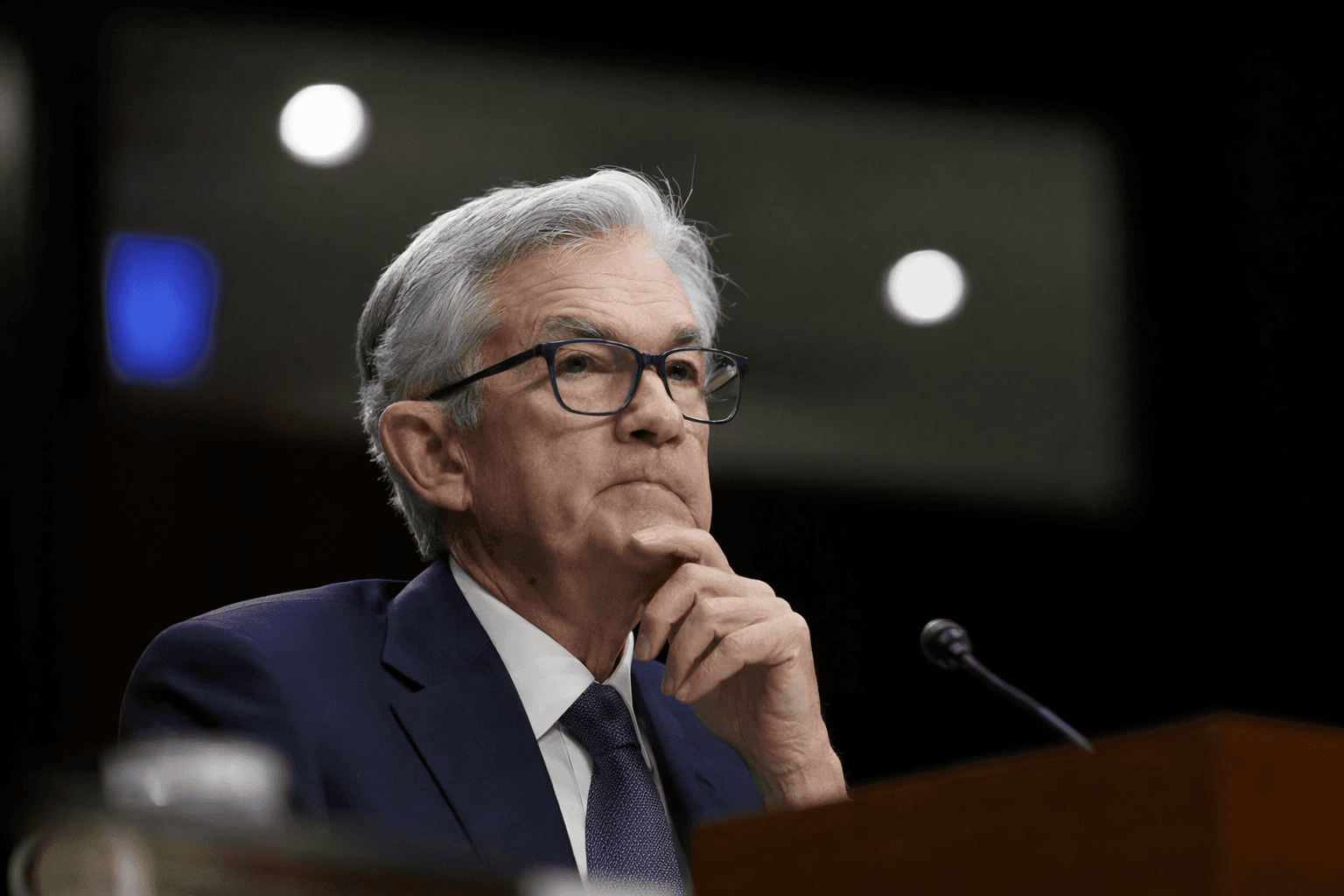
That change mattered because the April meeting was likely Jerome Powell’s last as chair, with Kevin Warsh expected to take over in June. Warsh would inherit a central bank that appears more willing to keep borrowing costs elevated for longer, and possibly to tighten further if inflation does not cool. Some policymakers also wanted to strip out language from the post-meeting statement that suggested an easing bias, a sign they did not want markets to assume cuts were the next move.
The inflation outlook worsened as the war in Iran pushed energy prices higher and spread cost pressure through a broader range of goods and services. The minutes said the crude oil futures curve was higher than at the March meeting, near-term inflation expectations had moved up again, and the Fed staff raised its forecast for 2026 inflation because of incoming data, higher energy prices and Middle East conflict effects. Expectations for 2027 and beyond were little changed, but the near-term picture had clearly darkened.
Markets appeared to have been underestimating how far the Fed was leaning. The minutes said market-implied expectations still pointed to little change in rates this year, yet options prices implied roughly a 30% chance of a rate hike by the first quarter of 2027. Traders were pricing as much as a 25% chance of a hike in the next year after the April decision, while Treasury yields jumped, with the 2-year note at 3.92% and the 10-year at 4.41%. For households and businesses, the message was blunt: mortgage rates, credit-card rates and commercial borrowing costs could stay painful if inflation refuses to return to target.
Know something we missed? Have a correction or additional information?
Submit a Tip