Ferrari’s 2025 shutdown and Hamilton’s engineer gap set high stakes for 2026
Ferrari halted aero development after falling 110 points behind McLaren, and Lewis Hamilton enters Melbourne with no permanent race engineer and zero podiums in 2025.
Ferrari shut down aerodynamic development of its 2025 car at the end of April after the team found itself 110 points adrift of McLaren, a deliberate move intended to concentrate resources on the sport’s sweeping 2026 rule changes. Those rules, described by teams as the biggest in Formula 1 history, remake chassis, tyres and fuel and introduce new technical concepts such as overtake mode, boost mode and active aero.
Six days of pre-season testing in Bahrain left most teams with the impression that Mercedes and Ferrari were the outfits to beat heading into the Australian Grand Prix in Melbourne, though observers caution that early running is provisional and development across the season can reshuffle the order. Ferrari looked competitive in testing, but the decision to halt 2025 development is central to how the team frames its prospects for the year ahead. Team principal Frédéric Vasseur has insisted that the first race "will not define the season," arguing that ongoing development should allow positions to change as the campaign unfolds.
The shutdown buys Ferrari time to adapt to complex new regulations, but it is also a strategic gamble. If the team fails to hit the ground running, the narrative will pivot quickly to questions about driver performance and future lineups. The company’s early pivot to 2026 means significant technical resources were redeployed months before the new era begins, and that calculation will be judged on-track across the season.
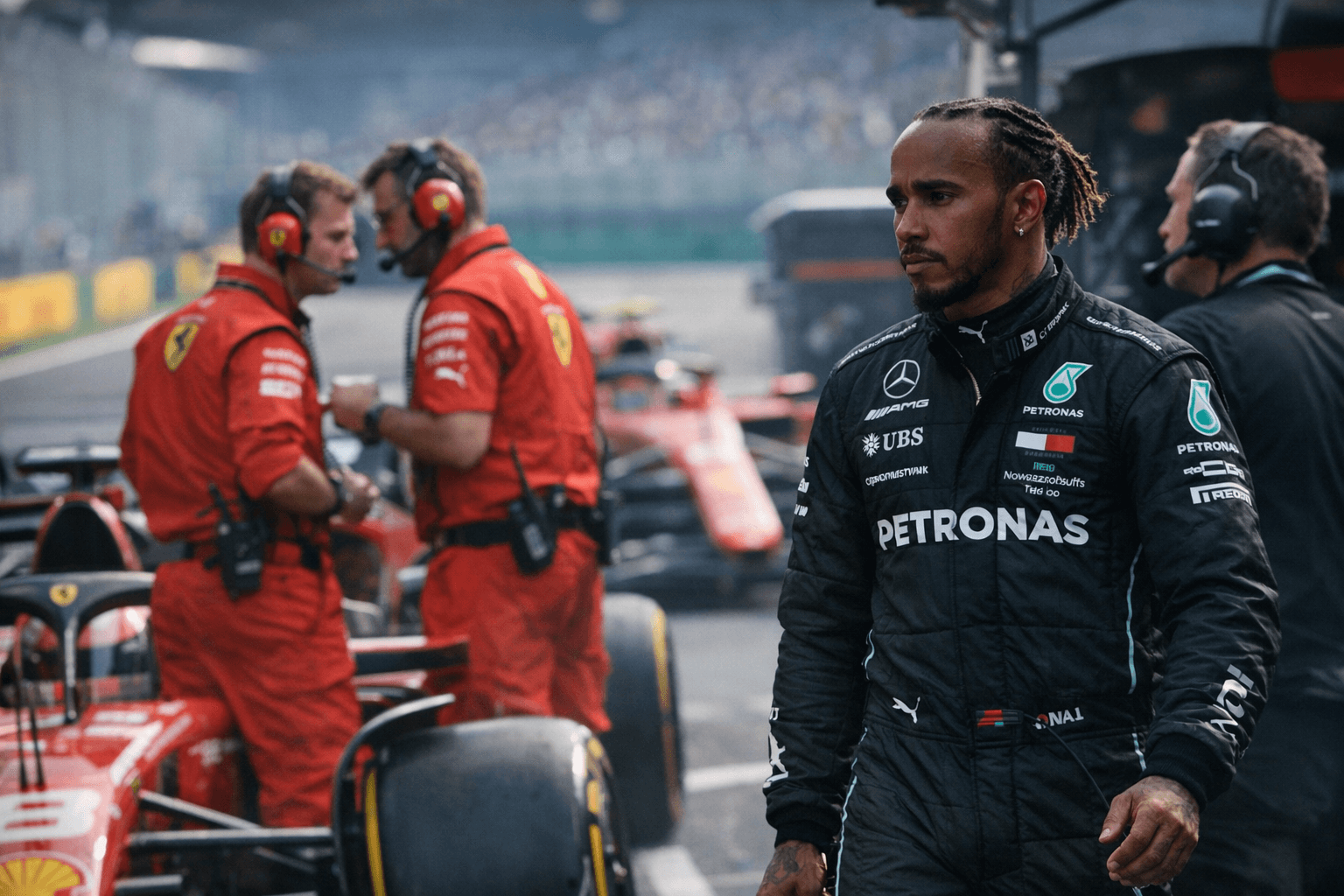
Lewis Hamilton adds a separate layer of uncertainty. He failed to finish on the podium in 2025, the first time in his 19 Formula 1 seasons that he did not register at least one top-three finish. His late 2025 form included several high-profile qualifying failures, a last-place grid start in Las Vegas on pure pace, and a frustrated post-race declaration that he felt "an unbearable amount of anger and rage." He has sought to reset publicly, telling fans he was "re-set and refreshed" and admitting, "For a moment, I forgot who I was."
Operational stability at Ferrari is under scrutiny as well. Hamilton began his time at the Scuderia working with veteran race engineer Riccardo Adami, who had previously engineered Sebastian Vettel and Carlos Sainz. Adami was removed from the role in early January and reassigned to test and young driver programmes. Hamilton worked with Carlo Santi through testing, but a permanent replacement had still not been named one week before the season opener. Former driver and commentator Anthony Davidson has expressed the hope that Hamilton will be able to "gel" and enjoy a "better match" with his as-yet unnamed race engineer.
The twin questions heading into Melbourne are therefore distinct but intertwined: can Ferrari convert its allocated development runway into a consistently competitive car under new rules, and can Hamilton regain the single-lap and racecraft sharpness he has publicly acknowledged he lost? Testing offered encouraging signs for both the car and for Mercedes, but team messaging and personnel gaps mean the early races are likely to matter far more to perception than to ultimate championship outcomes. The season will quickly reveal whether Ferrari’s long-range bet and Hamilton’s reset produce a title tilt or simply more headlines.
Know something we missed? Have a correction or additional information?
Submit a Tip