Former Iran Detainees Warn Americans Still Held Face Heightened Prison Danger
Siamak Namazi, freed after 8 years in Iran's Evin prison, warns Americans still held there are "the easiest-to-grab punching bag" as U.S.-Israeli strikes close in.
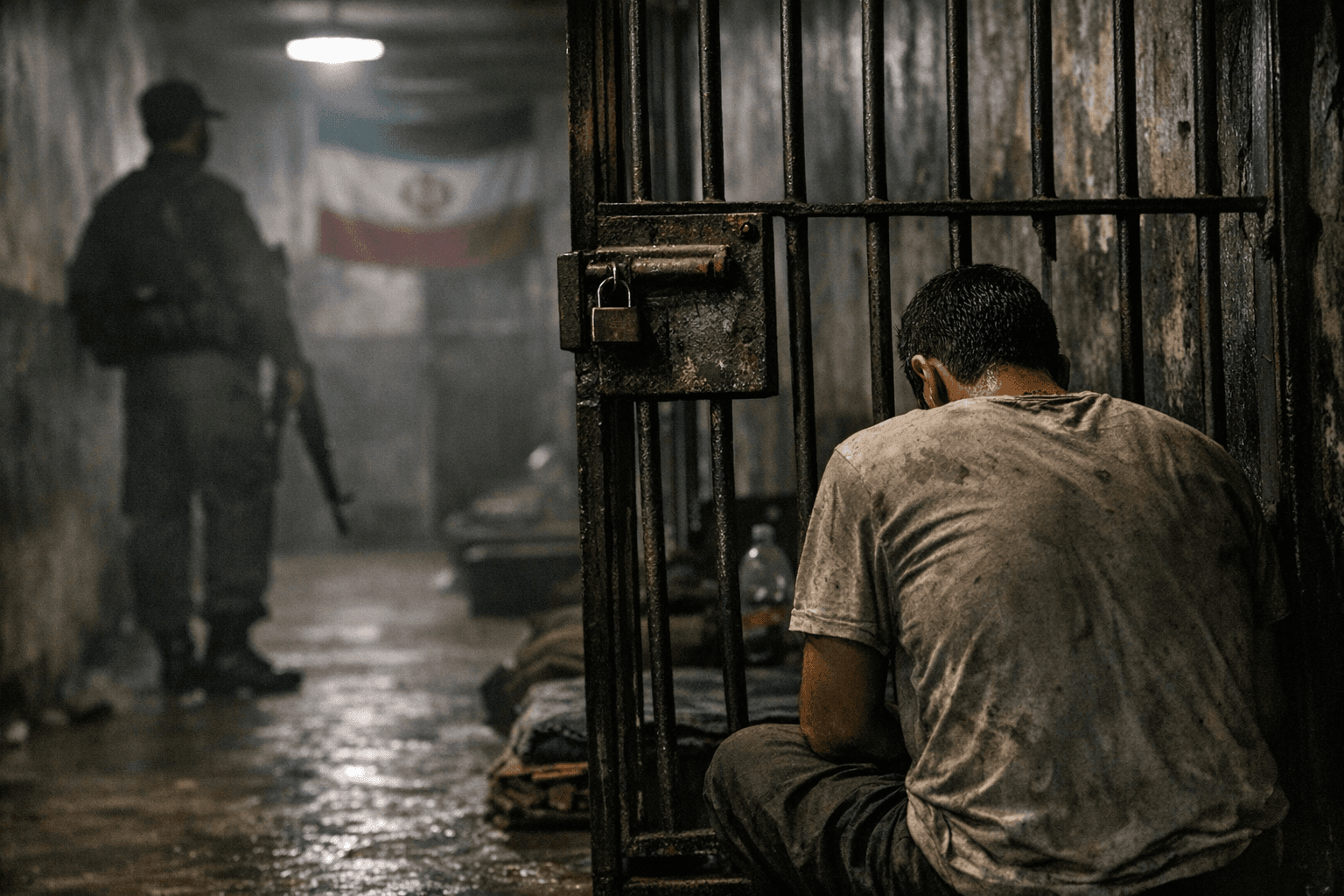
Evin Prison has been bombed before. During what became known as the 12-day war last year, Israeli strikes hit the facility around noon, dropping roughly seven bombs on a compound that holds, among others, at least four American citizens. "I think this is as dangerous a time as it can be for foreign detainees in Iran," said Siamak Namazi, who survived nearly eight years inside Evin before his 2023 release. "They are stuck between a cruel regime that is using them as a pawn in their horrible game of hostage diplomacy and a war that they cannot control."
Namazi reminded viewers that in the previous 12-day war, Israel bombed Evin Prison around noon and dropped about seven bombs. "Bombs don't distinguish between inmates and guards," he said, "and so they have a real worry."
At least four Americans are currently detained in Iran. Two of them, Reza Valizadeh and Kamran Hekmati, have been designated by the U.S. government as "wrongfully detained" and both are believed to be held in Evin Prison. The James W. Foley Legacy Foundation, a hostage advocacy organization, put the number higher, saying there are six Americans facing "unprecedented danger" because of the military conflict.
Valizadeh became a U.S. citizen in 2022 after working for the U.S. government-funded broadcaster Radio Farda, the Persian branch of Radio Free Europe/Radio Liberty. He believed he had received assurances that it was safe to return to Iran, but days after arriving in Tehran in 2024, he was detained by the Islamic Revolutionary Guard Corps and taken to Evin Prison. In December 2024, he was sentenced to 10 years in prison after being charged with "collaborating with a hostile government." Valizadeh reportedly shares a small cell with up to 18 other inmates amid severe shortages of food, water, sanitation, and medical care.
Kamran Hekmati was arrested and sentenced to prison time by Iranian authorities for visiting Israel more than a decade ago for his son's bar mitzvah. The 70-year-old is suffering from bladder cancer and is currently detained in Evin Prison, with his family expressing serious concerns about his health.
Emad Shargi, who spent five years in Evin before his own 2023 release, described what happens inside the prison when a country erupts in conflict. He told the panel, "Whenever there is an issue taking place in Iran, the walls of Evin are like an amplifier. So, when there's a ripple outside in the society, there's a tidal wave inside." Shargi put it more starkly, warning that an American detainee could become a target simply for their nationality: "If you hear that your village, your town, has been hit, and the closest thing you have to take revenge is three cells down, so that possibility is always there."
Both men appeared on "Face the Nation with Margaret Brennan" on March 22 alongside Shargi's sister, Neda Sharghi, and Roger Carstens, a former U.S. special envoy for hostage affairs. The panel took place as Defense Secretary Pete Hegseth said the "largest strike package yet" was coming in Iran.
Shargi directed a message to the White House: "I think it's important that he hears that there are innocent Americans being held, like we were, as political pawns." Namazi echoed that sentiment: "I can't imagine if President Trump knew their names and knew these cases they wouldn't be one of the priorities. I would say that it is unfortunate that priority was not given to them before. But I personally think that there will be a time soon, because all wars end with some form of diplomacy."
Neda Sharghi, who spent years campaigning for her brother's release, said American hostages "always become a hostage to other bigger, broader political issues" and called on the public to pressure the government to "find a creative solution, like we did to get Emad and Siamak home."
Shargi described the psychological toll of silence on those still inside: "The worst thing that can happen to you is that nobody talks about you. That is a horrible feeling. You really feel lost in the universe."
Israel's military has taken to social media in recent days to warn residents living near Evin to evacuate amid continuing airstrikes, and families of other foreign nationals imprisoned there have told European news outlets that bombs have been hitting close enough to blow out windows. Ryan Fayhee, a lawyer for Reza Valizadeh, said it is his job "to let the administration and the Israeli government know that there are innocent American citizens within that prison." White House and State Department officials declined to respond to specific questions about the detainees' status, citing concern for their safety and security.
Hours before U.S. and Israeli strikes on Iranian military facilities began, the State Department designated Iran a state sponsor of wrongful detention. Iran has denied accusations of hostage-taking, asserting that foreign nationals have been treated in accordance with its laws. The families of those held say otherwise, and the men who have been inside Evin Prison say the danger has never been more acute.
Know something we missed? Have a correction or additional information?
Submit a Tip