Former NFL Player Desmond Bryant Opens Up About Addiction Recovery Journey
Desmond Bryant, whose 2013 viral mugshot became late-night TV fodder, tells David Begnaud he has been sober two years and now mentors NFL players.
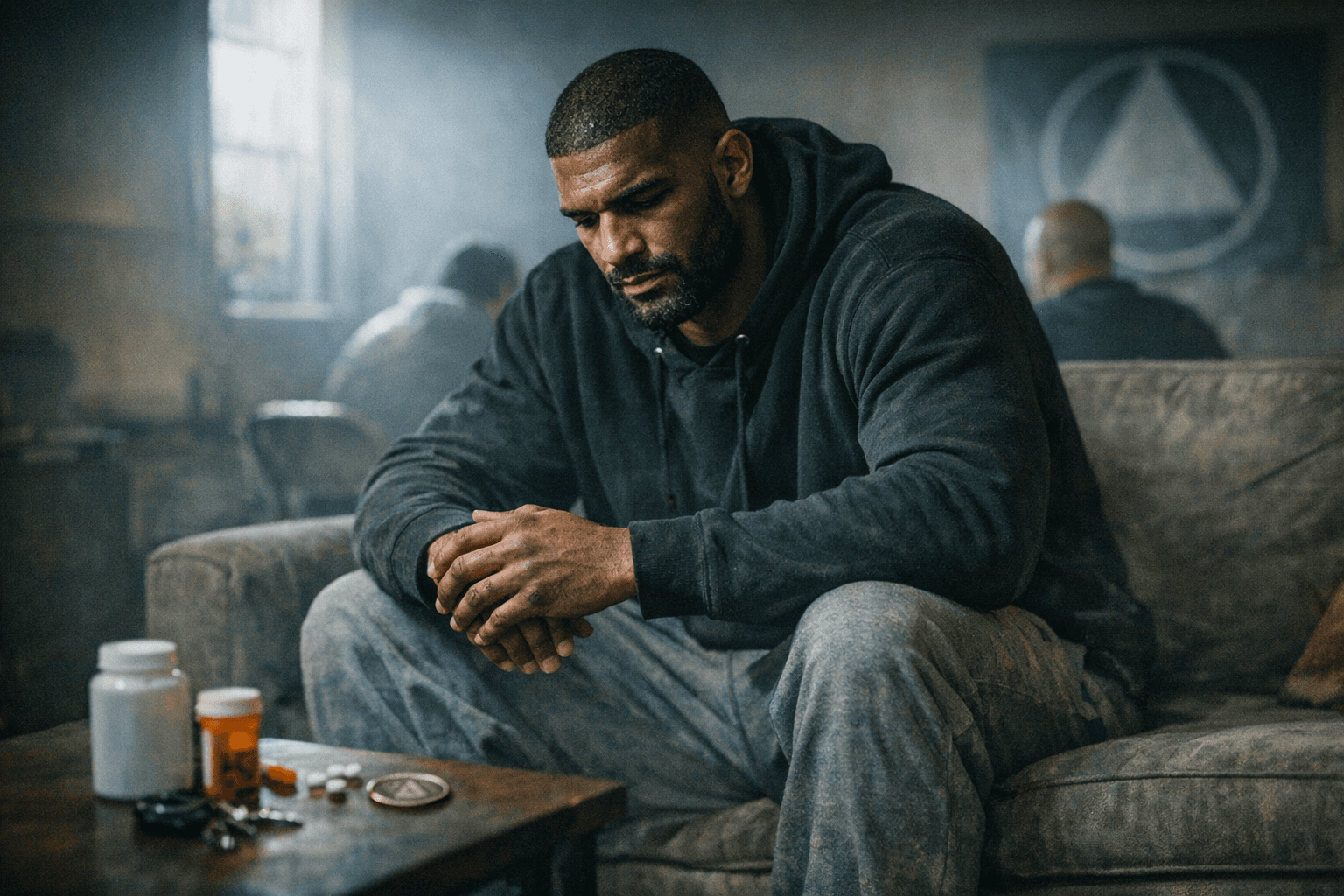
Desmond Bryant spent years letting football define him, first as an undrafted Harvard graduate who scratched his way onto the Oakland Raiders' roster in 2009, then as a starting defensive tackle earning a five-year, $34 million contract with the Cleveland Browns. But for a stretch of those years, a separate identity was building quietly: one built on alcohol, drugs, and a party culture that the 6-foot-6, 310-pound lineman now says was hiding in plain sight inside NFL locker rooms.
In a conversation with journalist David Begnaud on "Beg-Knows America," Bryant spoke openly about his recovery from drug and alcohol addiction, marking two years of sobriety and describing the long road that brought him there.
The lowest public moment came on February 24, 2013, when Bryant was arrested in South Beach on a misdemeanor criminal mischief charge after showing up drunk and shirtless at a neighbor's home in Miami-Dade County. The timing could not have been worse: he was days away from signing that Browns deal, with $15 million guaranteed. The contract still went through, and Bryant later acknowledged that the Browns' willingness to sign him anyway reinforced his denial. He did not see his drinking as a problem. His own description of NFL culture captures why: "go hard or go home" extended well beyond the field to alcohol and drug use, and the league's reward structures did little to interrupt that cycle.
The mugshot, eyes half-shut and tongue lolling, went viral immediately. Jimmy Fallon mocked it on late-night television. It was viewed millions of times. For Bryant, now 40, it became a defining image he has spent years reclaiming.
Bryant's story reflects a structural tension that follows many NFL players out of the league. Careers built around pain management, the physical grind of the defensive line, and a culture that prizes toughness over vulnerability can leave players with substance dependencies and few visible off-ramps. The transition out of professional football strips away the schedule, identity, and peer network that once structured daily life, factors researchers and clinicians identify as significant relapse triggers.
The NFL's Total Wellness program and the NFLPA's behavioral health referral service both offer confidential access to licensed counselors, but awareness of those resources varies widely among players, particularly those who leave the league abruptly or without significant contract security. Bryant went undrafted, built his career with no guarantees, and by his own account was embedded in drinking culture long before the Browns signed him.
Now sober, Bryant has redirected that experience into mentorship, working with incoming NFL players to flag the warning signs he missed in himself: escalating tolerance, using alcohol to manage stress or celebrate equally, and the normalization of heavy use within team environments. His willingness to attach his name and story to that work is significant in a league where admissions of addiction have historically been treated as liabilities.
Anyone experiencing symptoms of alcohol or substance use disorder can reach the Substance Abuse and Mental Health Services Administration's National Helpline at 1-800-662-4357, which provides free, confidential, 24-hour treatment referrals and information in English and Spanish. The NFLPA's One-on-One Peer Assistance program connects current and former players with peers who have navigated similar challenges.
This article was produced by Prism’s automated news system from verified source data, official records, and press releases, then run through automated quality and moderation checks before publishing. The system is built and supervised by the people who set the standards it runs under. Read our full AI policy.
Did this article answer your question?