Measles Outbreak Kills Over 100, Mostly Children, Since Mid-March
Bangladesh suspects measles has killed more than 100 children since mid-March, with 6,476 toddlers showing symptoms amid a national vaccine and syringe shortage.
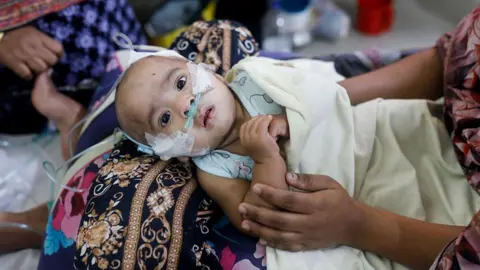
A measles surge in Bangladesh has killed more than 100 children since mid-March, according to official health ministry data, with the death toll driven by a cascade of systemic failures including vaccine shortages, depleted syringe stocks, and gaps in routine immunization that widened during years of political instability.
Health ministry data showed that children aged six months to five years with suspected measles symptoms soared to 6,476. Confirmed measles cases in that age group stood at 826, with 16 recorded deaths. The wide gulf between suspected and confirmed figures reflects a grim logistical reality: experts said in many cases, testing is either not done or patients die before testing can be carried out.
Prime Minister Tarique Rahman directed two senior ministers to travel across the South Asian nation of 170 million people to assess the scale of the crisis and help coordinate a response. Bangladesh also launched an emergency vaccination campaign targeting more than a million children as the fast-spreading outbreak swept across the country.
Halimur Rashid, director at Communicable Disease Control, told AFP that "compared with past years, the number of affected children is higher, and the death toll is higher too." Rashid attributed the potential outbreak to "multifactorial causes, including a shortage of vaccines."
Earlier, although measles-rubella vaccines were stocked, a nationwide campaign had remained stalled due to a shortage of syringes. Health Minister Sardar Md Sakhawat Husain announced that an emergency vaccination campaign would start from April 5.
Many factors contributed to the outbreak, including a shortage of vaccines, inadequate human resources, invalid doses, dropouts, and weak monitoring. Vaccination coverage dropped in 2023 compared to 2019 levels. Disturbingly, most of those infected had not been vaccinated despite reaching or passing the age at which vaccination is recommended.
The largest number of suspected measles cases on record in Bangladesh was in 2005, at 25,934, according to WHO data. That number had significantly declined in succeeding years until this year. The WHO estimates as many as 95,000 measles deaths globally every year, mostly among unvaccinated or under-vaccinated children under the age of five.
The outbreak has exposed how quickly a disease declared largely controlled can reassert itself when institutional infrastructure falters. With the emergency vaccination drive now underway in the 30 worst-affected areas, authorities face the urgent task of rebuilding immunization coverage fast enough to prevent the death toll from climbing further.
This article was produced by Prism’s automated news system from verified source data, official records, and press releases, then run through automated quality and moderation checks before publishing. The system is built and supervised by the people who set the standards it runs under. Read our full AI policy.
Did this article answer your question?