Global One Health Summit in Lyon Targets Pandemics, AMR, and Food Safety
Lyon's One Health Summit, the first to convene heads of state, opened Saturday under France's G7 presidency to address AMR deaths projected at 39 million by 2050.
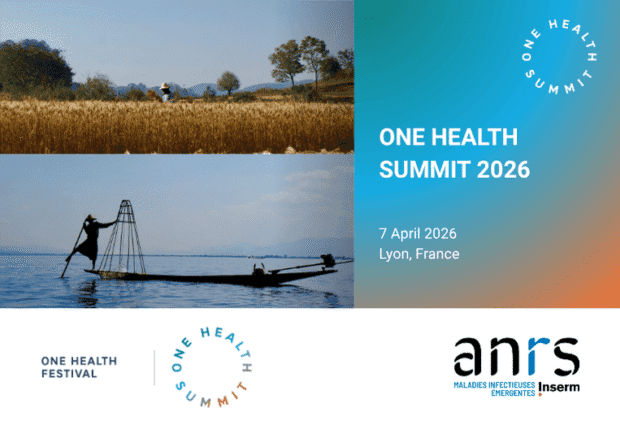
A three-day summit that opened in Lyon on Saturday brought world leaders together under the One Health banner for the first time, framing a coordinated push on pandemic prevention and antibiotic resistance as inseparable from how humanity farms, manages wildlife and degrades shared ecosystems.
Hosted by France as a flagship event of its 2026 G7 presidency, the gathering drew heads of state, ministers, scientists and officials from the Quadripartite: the World Health Organization, the Food and Agriculture Organization, the World Organisation for Animal Health and the UN Environment Programme. WHO is set to assume the Quadripartite's rotating chair on April 8, the day after the summit closes, a transition that organizers positioned as a catalyst for converting post-pandemic declarations into operational policy with teeth.
The program builds to a High-Level Summit on April 7, World Health Day, when heads of state are expected to formally endorse national implementation roadmaps. The second day, underway Sunday in Lyon, features a scientific conference presenting recommendations to policymakers before they take the floor.
The urgency behind the three-day agenda is anchored in two hard figures. Roughly 60 percent of known human infectious diseases are zoonotic in origin, according to FAO, meaning they jump from animals to people through the same farm-to-market chains and wildlife interfaces that public health agencies have struggled to monitor as integrated systems. Antimicrobial resistance, driven in part by antibiotic overuse in livestock production, killed at least 1.27 million people in 2019 alone and is projected to claim 39 million lives between 2025 and 2050, according to the Global Research on Antimicrobial Resistance Project's analysis published in The Lancet. For hospital systems in the United States, that trajectory translates directly: infections already straining intensive care units will become progressively harder to treat as front-line antibiotics lose their effectiveness against resistant strains shaped partly by agricultural practices overseas and at home.

Technical sessions opening the summit focused on laboratory network integration, surveillance harmonization for zoonotic threats including avian influenza, and stewardship frameworks designed to curb AMR's spread. Breakout workshops addressed the structural gaps that have stalled previous commitments: incompatible data systems across human, animal and environmental health agencies; chronic underfunding of surveillance capacity in low- and middle-income countries; and a shortage of personnel trained to work across traditional sector boundaries.
The ninth edition in the One Planet Summit series, the Lyon event carries explicit expectations that commitments be tied to measurable country-level plans and financing mechanisms, not communiqués. Experts tracking One Health policy have noted that post-COVID summitry generated ambitious language that dissolved under budget pressures in the years that followed. WHO's pending Quadripartite chairmanship is positioned to anchor accountability in the months after Lyon, with the critical test arriving not on April 7 when declarations are signed, but when national governments must produce implementation timetables backed by actual money.
This article was produced by Prism’s automated news system from verified source data, official records, and press releases, then run through automated quality and moderation checks before publishing. The system is built and supervised by the people who set the standards it runs under. Read our full AI policy.
Did this article answer your question?