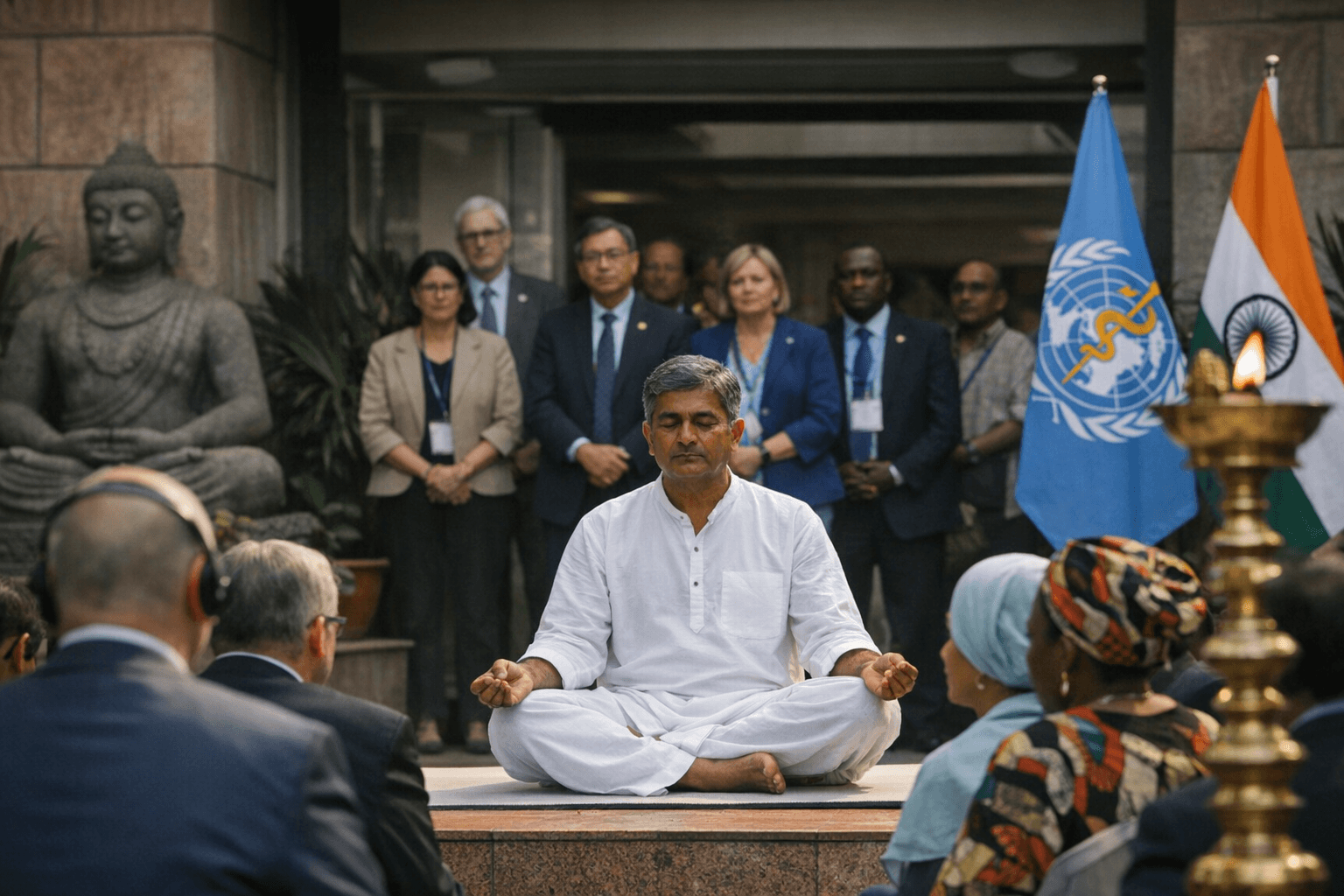
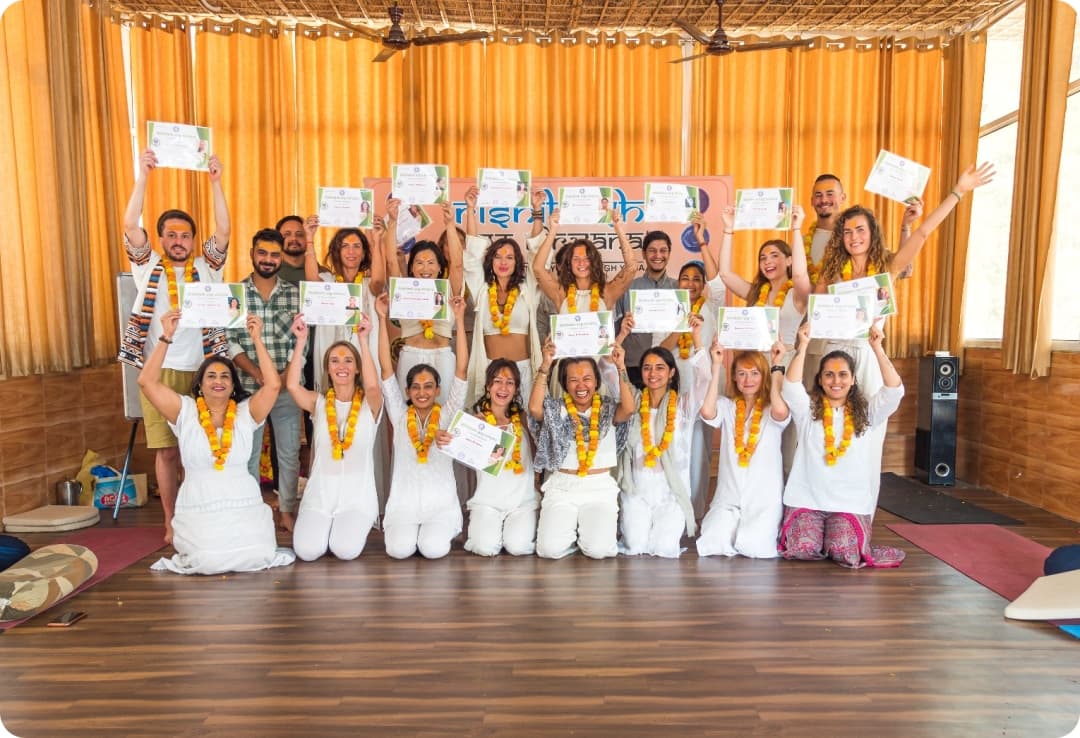
Free online summit linked neuroscience and yogic practice for teachers
YogaKula hosted a free online summit on the neuroscience of yoga, blending research and embodied practice; recordings are available to registrants.

YogaKula brought together scientists and teachers for a free online summit titled "The Neuroscience of Yoga" on January 11, 2026, running 1:30–4:00 PM PT. The afternoon program mapped current neuroscience onto practical yoga tools, asana, pranayama, and meditation, to show how those practices can shift neural pathways and help regulate the autonomic nervous system. For practitioners, teachers, therapists, and community leaders, the event highlighted evidence-informed, trauma-aware ways to apply traditional techniques in modern settings.
The keynote was delivered by Marjorie Woollacott, PhD, who anchored the program in neuroscience research and connected it to embodied practice. Additional presenters led focused sessions on transformation, embodied awareness, and using yoga as a resilience strategy. Presentations emphasized mechanisms such as neuroplasticity and autonomic regulation, then moved into clear practice implications, how breath work can cue vagal tone, how mindful asana sequences can alter habitual motor patterns, and how simple meditative protocols support nervous system stabilization.
Organizers made recordings available to those who registered, enabling teachers and clinicians to revisit material for continuing education or to adapt practices for classes and therapeutic settings. YogaKula also posted registration details, speaker bios, the session schedule, and promotion for the upcoming Yoga Conference San Francisco 2026 at yogakula.com/events/https/wwweventbritecom/summit-jan-11, so community members can find follow-up opportunities and background on presenters.

Practical value from the summit rests in its concrete applications: sequence design that considers nervous system states, breath cues that aim for autonomic balance rather than performance, and trauma-informed language that centers safety and choice. For teachers working with mixed-ability groups or trauma-sensitive classes, these approaches translate directly into cueing, class structure, and student intake conversations. For therapists and community leaders, the summit framed yoga as a complementary, evidence-informed tool to integrate into broader care plans.
The event underscores a continuing trend: the yoga community is increasingly fluent in neurobiology and somatic practice, blending research with the lived experience of the mat. The takeaway? Start small, experiment with one breath-based intervention or a short calming sequence in your next class, observe how it shifts tone, and use the recordings to deepen your own understanding. Our two cents? Treat the nervous system like a student, consistent, gentle practice wins over dramatic corrections.
Know something we missed? Have a correction or additional information?
Submit a Tip