GE Vernova raises revenue forecast on surging data center demand
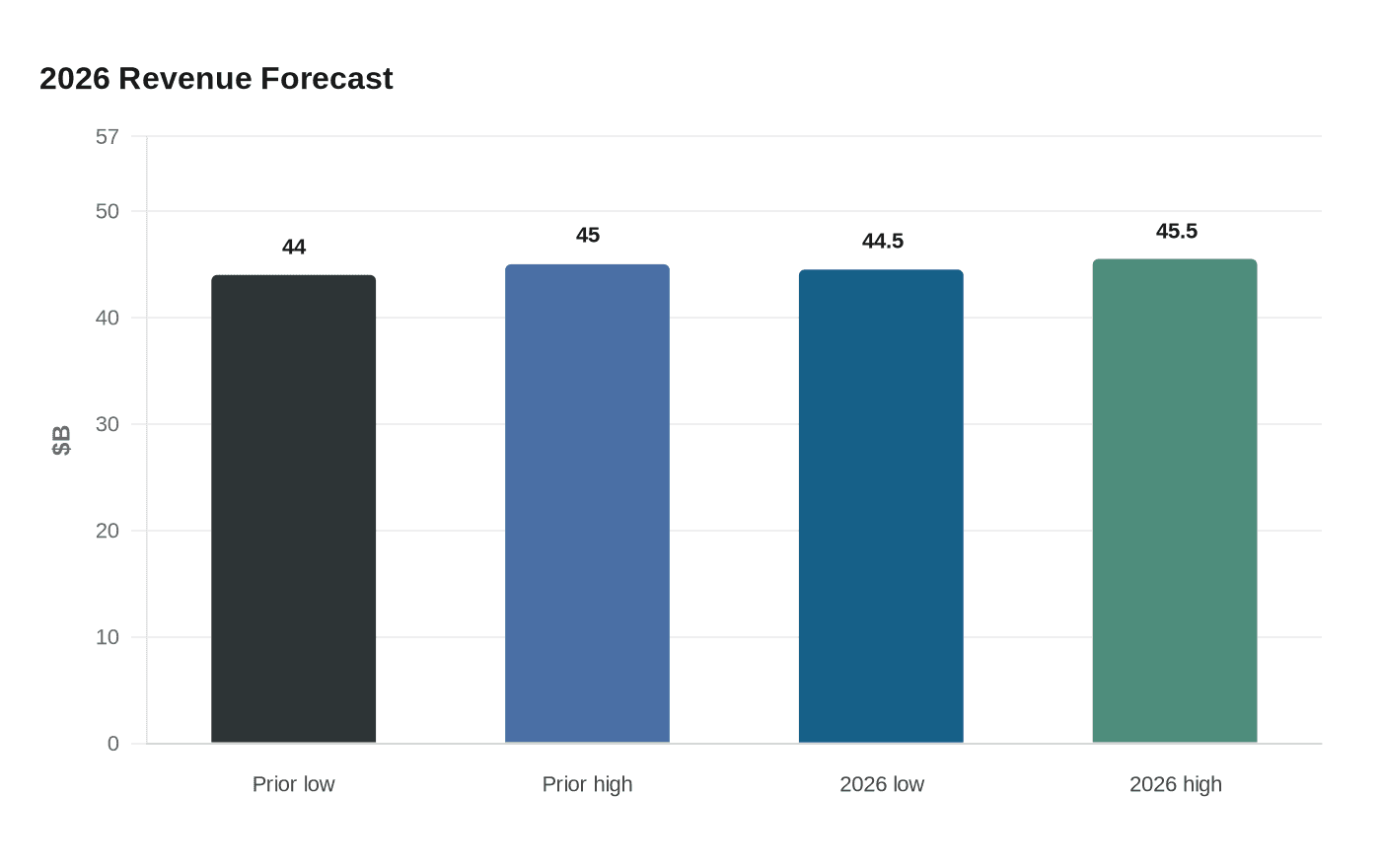
GE Vernova lifted its 2026 revenue outlook to $44.5 billion-$45.5 billion as first-quarter orders jumped more than 71% on data center demand.

GE Vernova raised its annual revenue forecast after data center demand helped drive a sharp increase in orders across its power and electrification businesses, a sign that the AI build-out is becoming a major force in the broader power economy.
The company said it now expects 2026 revenue of $44.5 billion to $45.5 billion, up from a prior range of $44 billion to $45 billion. First-quarter orders reached $18.3 billion, an organic increase of more than 71%, as customers pushed to secure equipment and infrastructure tied to fast-growing digital loads.
The gains were visible across GE Vernova’s operating units. Its electrification division posted core profit of $528 million, up from $205 million a year earlier. The power unit delivered $811 million in core profit, nearly 57% higher than the prior-year period. Those results point to rising demand not just for turbines and generation equipment, but also for the grid hardware needed to move electricity to new industrial users.
That shift matters because data centers are unlike ordinary commercial customers. They require enormous amounts of electricity and often need grid upgrades and equipment that can handle larger, more variable loads. For GE Vernova, the order surge suggests that utilities, developers and industrial customers are moving from planning to purchasing as the AI economy expands.
The forecast increase also says something about the durability of demand. Management did not frame the orders as a one-time spike. Instead, the higher outlook implied confidence in a longer cycle tied to digital infrastructure and grid modernization, two areas that could keep pressure on the power system for years.
For investors, the latest results underline how closely power equipment makers have become linked to artificial intelligence spending. The market has largely focused on chipmakers and software companies, but the data center boom is also creating a second wave of winners in generation, transmission and electrical equipment. GE Vernova’s numbers show that the race to build more server capacity is already flowing through to factory orders and profit.
The bigger question now is whether the United States can add enough power capacity and grid strength fast enough to meet that demand without worsening costs, reliability risks or emissions. GE Vernova’s stronger outlook suggests the spending is real. It also suggests the strain on the power system is only beginning.
This article was produced by Prism’s automated news system from verified source data, official records, and press releases, then run through automated quality and moderation checks before publishing. The system is built and supervised by the people who set the standards it runs under. Read our full AI policy.
Did this article answer your question?