Ghana passes bill criminalizing same-sex acts, drawing rights backlash
Ghana’s parliament revived a sweeping anti-LGBTQ bill that would jail same-sex acts and punish support, while donors warn of billions in financing at risk.
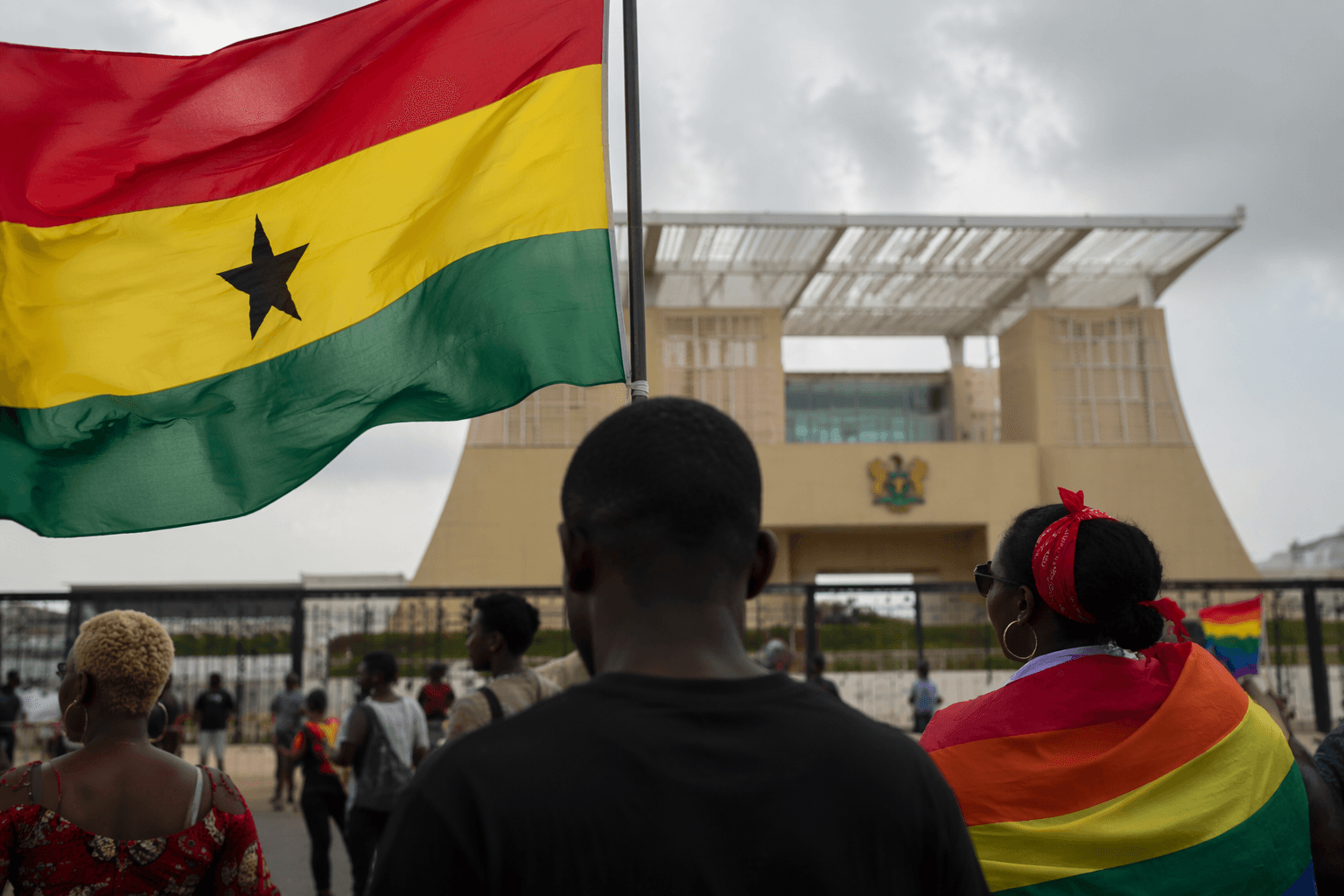
Ghana’s renewed drive to criminalize same-sex acts is part of a wider global push to turn anti-LGBTQ politics into law, and it now threatens to trigger court fights, diplomatic pressure and economic consequences far beyond Accra. The Human Sexual Rights and Family Values Bill, 2025, passed again by Parliament on May 29, would impose jail terms on people accused of same-sex acts and keep criminal penalties in place for those who identify as gay, lesbian or transgender.
The revised bill, first introduced in 2021, also goes after the networks around LGBTQ people. It reportedly adds exemptions for lawyers, journalists and health professionals acting within their professional duties, but it still criminalizes the “promotion” of LGBTQ activity and other forms of support. That language is central to the bill’s reach, giving the state wider authority not only to punish intimate conduct but also to target advocacy, health care and public discussion.
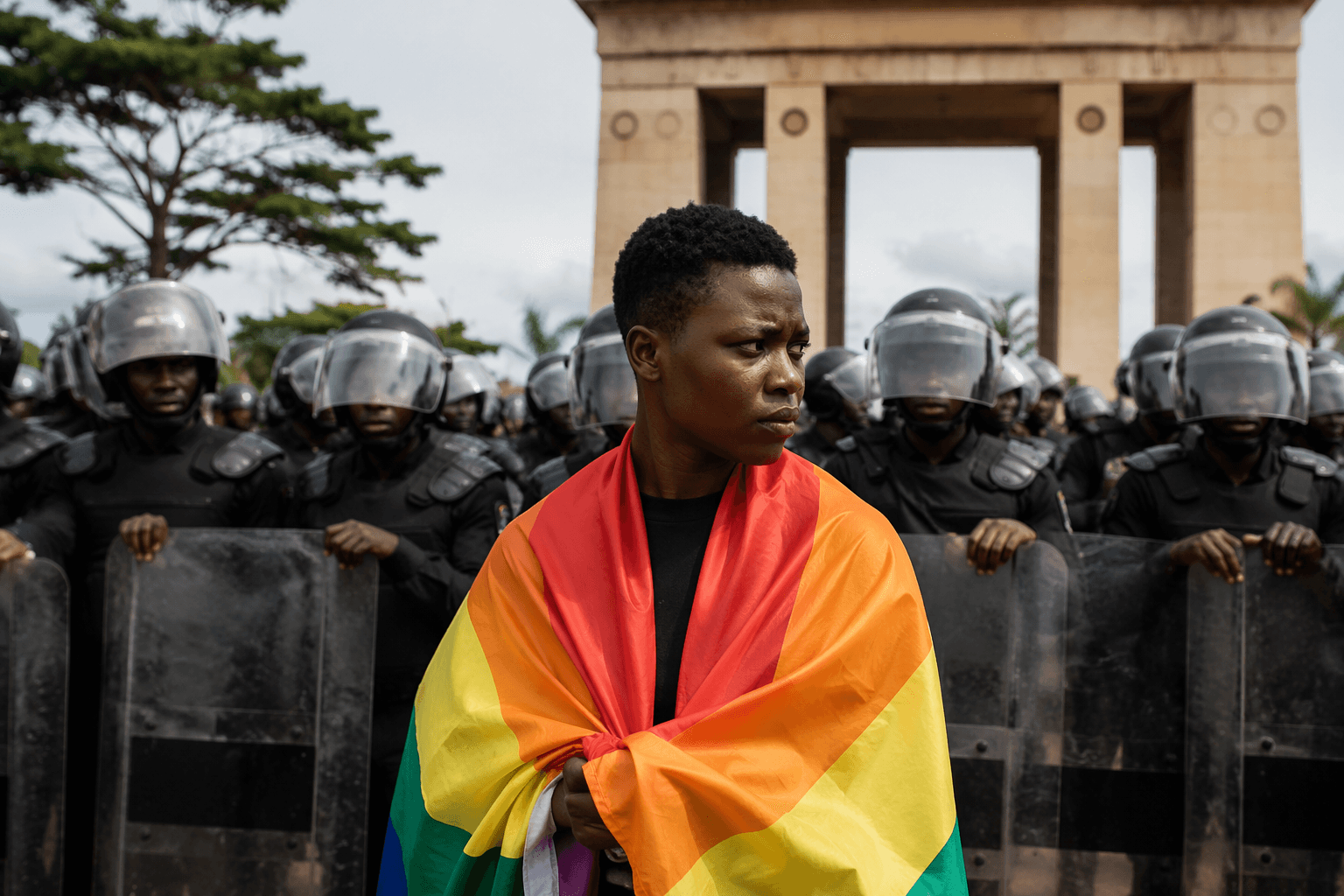
Parliament had already approved a version of the measure on February 28, 2024, but that bill lapsed after Parliament was dissolved before the 2024 general election and never received the approval of then-President Nana Akufo-Addo. Human Rights Watch said lawmakers reintroduced the bill in 2026 after the earlier version expired without presidential assent. The measure has become one of Ghana’s longest-running and most divisive social-policy fights, with public debate stretching back through years of political pressure and organized resistance.
The backlash was immediate and international. Volker Türk, the U.N. high commissioner for human rights, called the passage of the bill “profoundly disturbing” and said it broadens criminal sanctions against LGBTQ people and perceived allies. Amnesty International urged Nana Akufo-Addo not to sign what it called an extreme form of discrimination into law. In Geneva and elsewhere, rights groups have framed the bill as one of Africa’s most restrictive anti-LGBTQ laws, a marker of a broader trend in which governments are hardening anti-LGBTQ politics into statute.
The financial stakes are equally stark. A Ghana Ministry of Finance document seen in March 2024 warned that signing the bill could put $3.8 billion in World Bank financing and a $3 billion International Monetary Fund loan package at risk over five to six years. That warning gives the bill a reach well beyond culture-war politics: if enacted, it could deepen Ghana’s isolation, strain its relations with major lenders and add new pressure to an already fragile policy environment.
This article was produced by Prism’s automated news system from verified source data, official records, and press releases, then run through automated quality and moderation checks before publishing. The system is built and supervised by the people who set the standards it runs under. Read our full AI policy.
Know something we missed? Have a correction or additional information?
Submit a Tip