Hegseth urges Asian allies to boost defense spending amid China alarm
Hegseth’s Singapore warning put the burden test on Asia: pay more, or face a weaker deterrent. He pressed allies toward 3.5% of GDP as China stayed away.

Hegseth’s warning in Singapore was less about rhetoric than credibility: if Washington says China’s military buildup is a threat, the real test is whether Asian allies will spend enough to share the burden of deterrence.
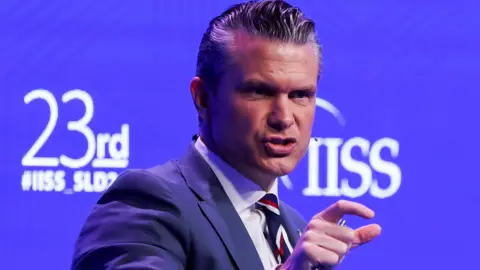
At the Shangri-La Dialogue, the 23rd edition of Asia’s flagship security forum, the U.S. defense secretary urged partners to treat China’s rapid military expansion as a serious alarm and to move toward greater self-reliance. He said there was “rightful alarm” over Beijing’s buildup and argued that a strong alliance required “skin in the game,” adding, “No freeloading.” He also pressed Asian allies and partners to lift defense spending to 3.5% of gross domestic product, a concrete benchmark that signals how aggressively Washington is trying to reset expectations.
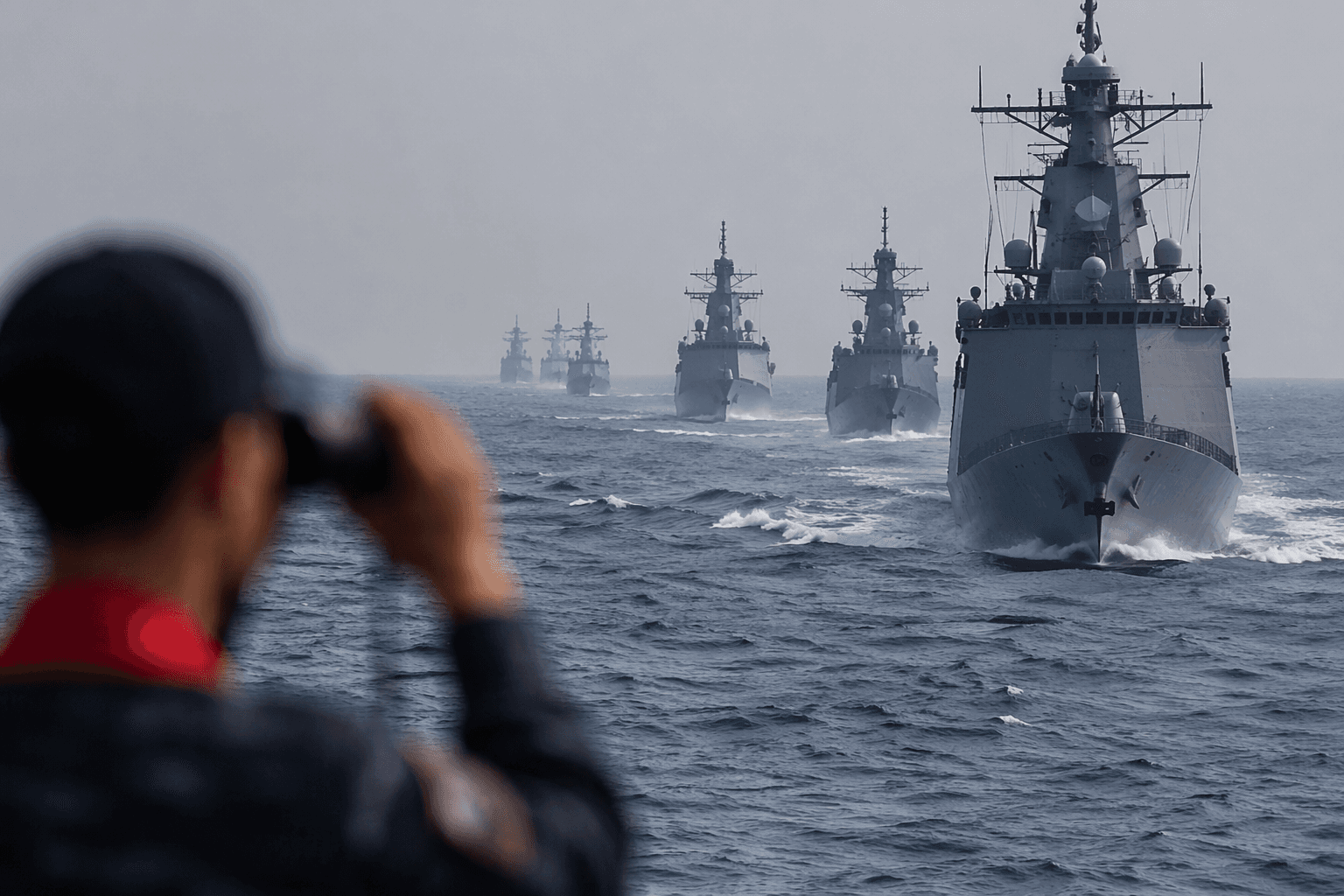
The setting sharpened the message. The forum ran from May 29 to 31 in Singapore, and the International Institute for Strategic Studies cast Hegseth’s keynote as a U.S. vision for the Indo-Pacific and a “new era of pragmatic idealism.” His remarks came as the U.S.-China trade standoff remained unresolved and as security tensions over tariffs, Taiwan and the South China Sea continued to rise. Hegseth said the United States did not seek conflict, but that it was ready to “fight and win” if deterrence failed.

The diplomatic backdrop made the pressure campaign easier for Washington and harder for Beijing to answer in the room. China’s defense minister skipped the dialogue for a second straight year, leaving the U.S. secretary with a more visible platform to frame the debate. Beijing’s Foreign Ministry then accused Hegseth of “vilifying” China and objected to the United States using Taiwan as leverage, signaling that the exchange is more likely to harden the rhetorical clash than reduce it.
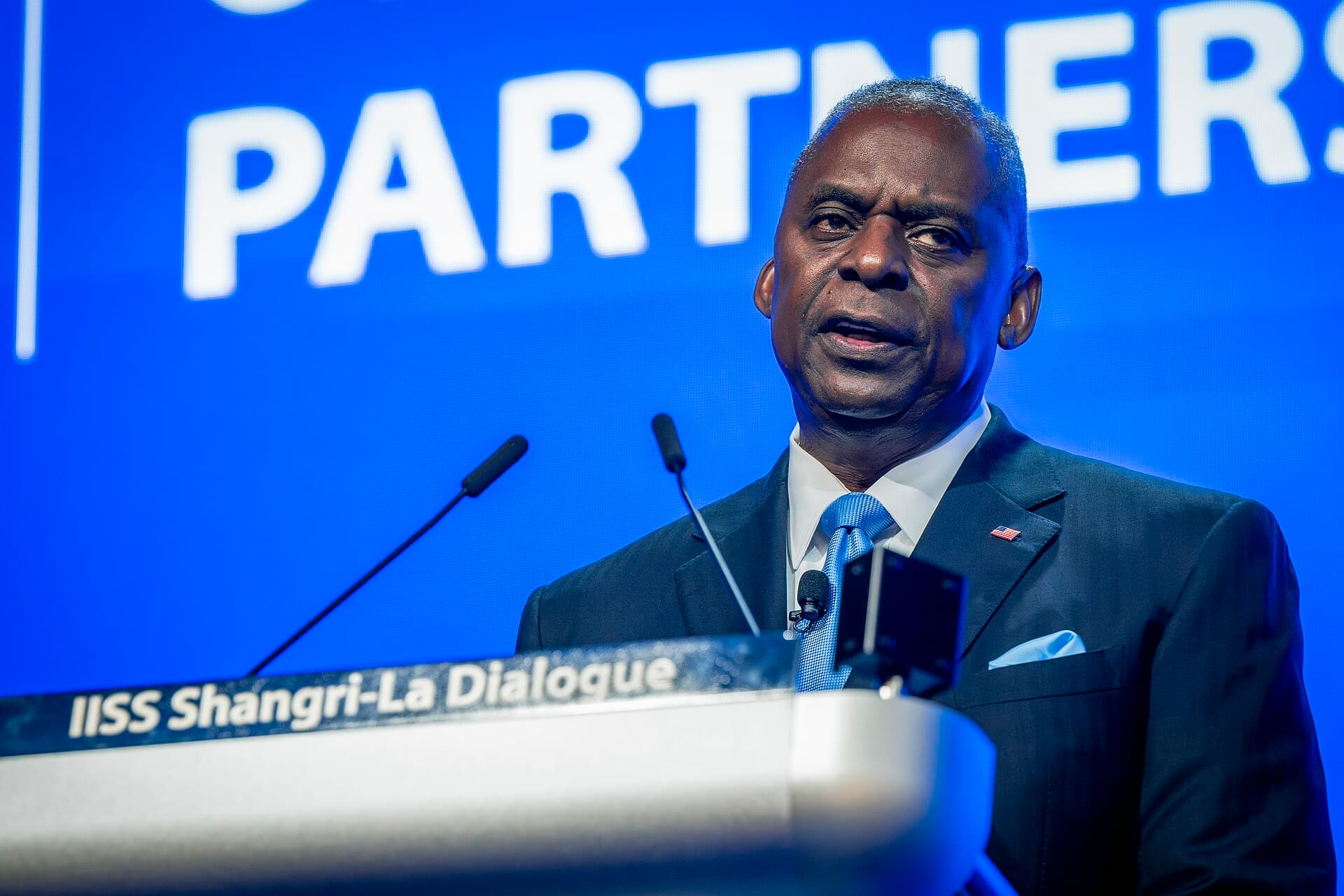
The broader numbers show why the debate has become so urgent. The Stockholm International Peace Research Institute said global military expenditure reached $2.887 trillion in 2025, with spending in Asia and Oceania up 8.1% and China’s military budget rising to $336 billion, the world’s second-largest. That backdrop gives Hegseth’s message weight: Washington is asking allies not just to express concern about China, but to convert that concern into budgets, capabilities and a more distributed deterrent posture across the Indo-Pacific.
This article was produced by Prism’s automated news system from verified source data, official records, and press releases, then run through automated quality and moderation checks before publishing. The system is built and supervised by the people who set the standards it runs under. Read our full AI policy.
Know something we missed? Have a correction or additional information?
Submit a Tip