Hegseth urges Asian allies to raise defense spending amid China tensions
Hegseth told Asian allies to spend 3.5% of GDP on defense, even as Washington signaled warmer ties with Beijing and made no mention of Taiwan.
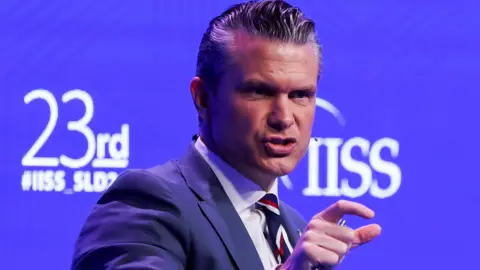
Pete Hegseth pressed Asian allies to spend far more on their militaries at the Shangri-La Dialogue in Singapore, telling them the United States wants “partners, not protectorates” and warning that there is “rightful alarm” over China’s rapid buildup. His demand for defense spending of 3.5% of GDP landed as a blunt reality check on Washington’s promise to stand firm in Asia while also asking allies to shoulder more of the burden.
The 23rd IISS Shangri-La Dialogue, held at the Shangri-La Hotel from May 29 to 31, brought together representatives from 44 countries, including 54 ministerial-level delegates and more than 42 chief-of-defence-forces-level delegates and senior defense officials. Singapore and regional capitals are treating the gathering as a major test of U.S. Indo-Pacific policy after Donald Trump and Xi Jinping met in Beijing earlier in May and agreed to reset ties and manage disputes.
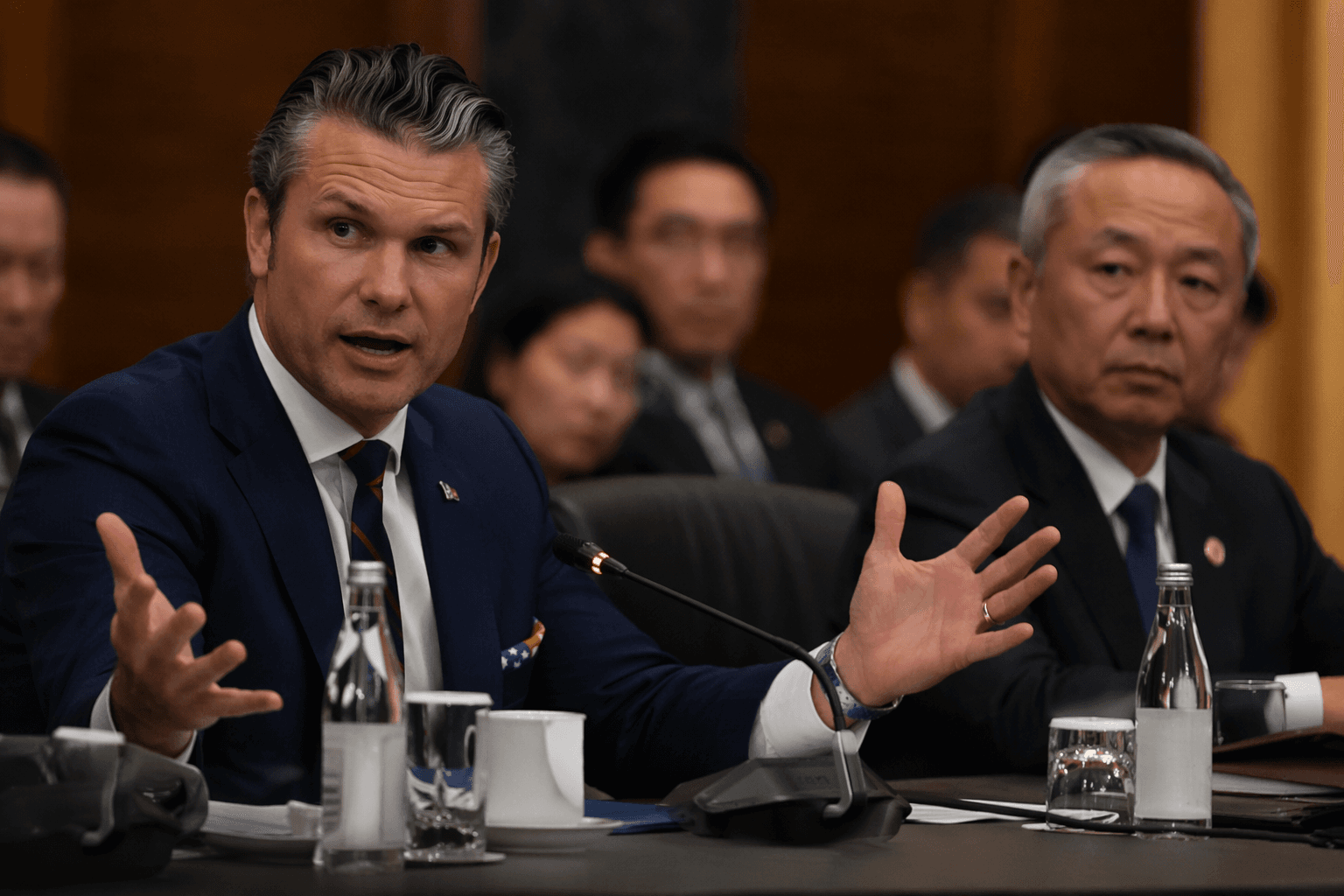
Hegseth framed the U.S. approach as one of “strength” and “resolve” rather than escalation, but the message also sharpened the pressure on allies that are already weighing how much they can spend, and how much Washington still intends to carry. He said stronger, more self-reliant allies are central to deterrence and warned that “a Pacific dominated by any hegemon would unravel the regional balance of power.” For governments in the region, the question is not only whether the U.S. will stay engaged, but whether engagement now comes with a higher price tag.
That tension was especially visible in Hegseth’s softer tone on China. He said U.S.-China ties are now “better than they have been in many years,” pointing to more frequent military-to-military contacts and describing the relationship as one of “fairness and reciprocity.” He made no mention of Taiwan in his 2026 address, a striking omission after his 2025 Shangri-La remarks warned that a Taiwan invasion could have “devastating consequences” for the Indo-Pacific and the world.

Chinese Defense Minister Dong Jun skipped the forum for a second straight year, leaving Beijing to send experts and scholars instead. That absence, combined with Hegseth’s call for allies to increase defense spending to 3.5% of GDP, underscored the summit’s central question: whether Washington is rebuilding deterrence in Asia or shifting more of the load onto partners while keeping the language of reassurance.
This article was produced by Prism’s automated news system from verified source data, official records, and press releases, then run through automated quality and moderation checks before publishing. The system is built and supervised by the people who set the standards it runs under. Read our full AI policy.
Know something we missed? Have a correction or additional information?
Submit a Tip