Ships go dark to slip out of Strait of Hormuz
Tankers are cutting their AIS signals to escape Hormuz, sharpening the risk of miscalculation in a chokepoint that carries about 20 million barrels a day.

Two supertankers and one liquefied natural gas tanker slipped out of the Strait of Hormuz with transponders switched off, a reminder that the world’s most exposed energy corridor is still moving under strain. In a waterway that carried about 20 million barrels a day in 2024, roughly 20% of global petroleum liquids consumption, even a temporary blackout raises the odds of collision, interception and a jump in shipping insurance that can work its way into oil prices and, eventually, U.S. fuel costs.
The strait also handled about one-fifth of global LNG trade in 2024, much of it from Qatar, and most oil leaving the passage is headed to Asia, especially China, India and Japan. The U.S. Energy Information Administration says there are very few alternative export routes if the strait is closed. The International Energy Agency warns that a prolonged disruption could threaten most of the world’s spare oil production capacity, much of it in Saudi Arabia.
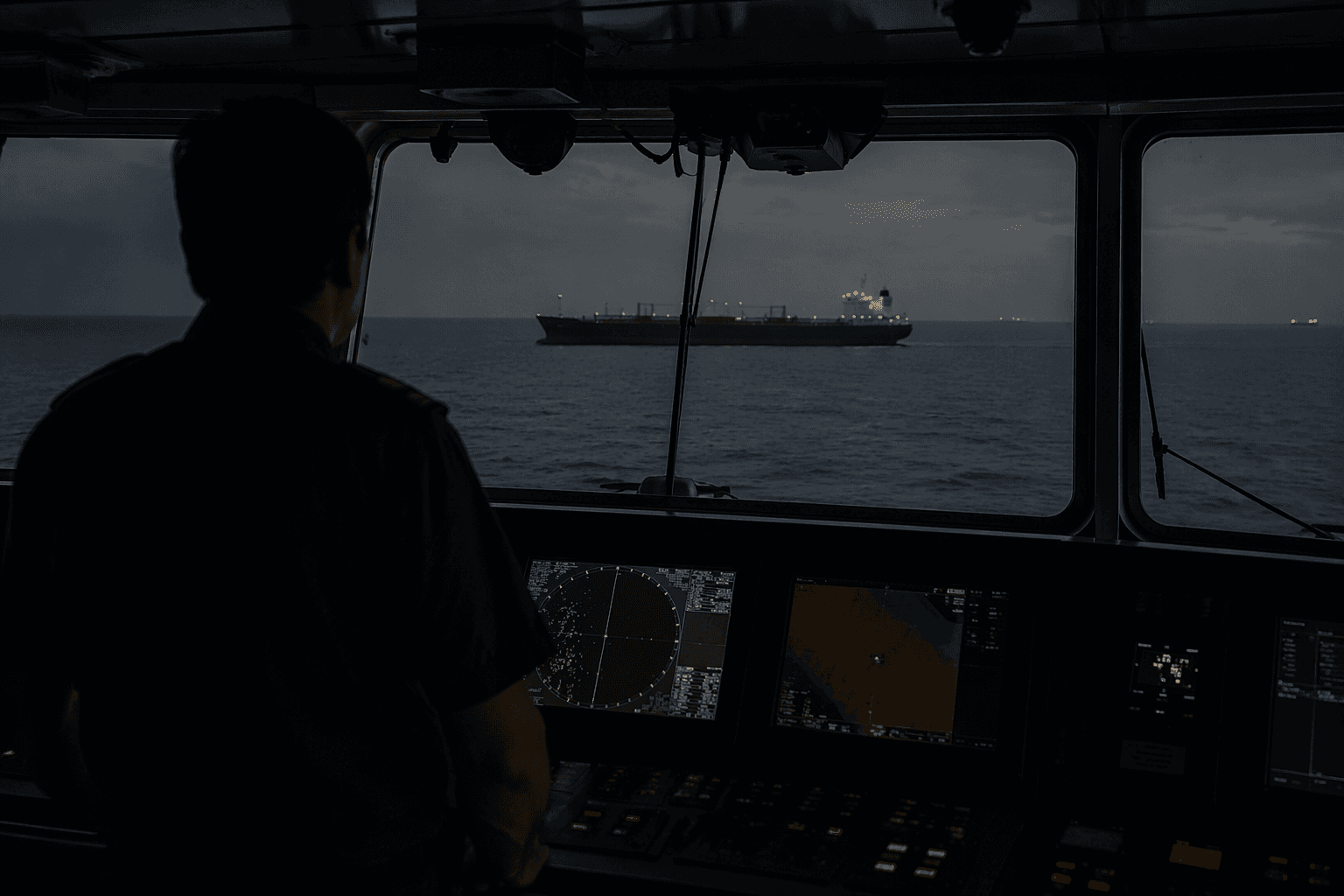
Ship-tracking data showed three LNG tankers passed through the strait in recent days bound for Pakistan, China and India, while a supertanker carrying Iraqi crude headed for China after sitting in the Gulf for nearly three months. The movement suggests cargo is still getting through, but only under tighter caution. Traffic in the strait remained depressed, and reopening efforts had made little headway.
The security risk is not theoretical. Iran’s Revolutionary Guards seized two commercial ships in the Strait of Hormuz on April 23, a move that reinforced why some masters and owners have chosen to hide their position. AIS transponders broadcast a ship’s identity, position, course, speed and navigational status. The International Maritime Organization says widely available AIS data can be detrimental to ship and port security, which helps explain why vessels in conflict zones sometimes go dark even as they become harder to track.
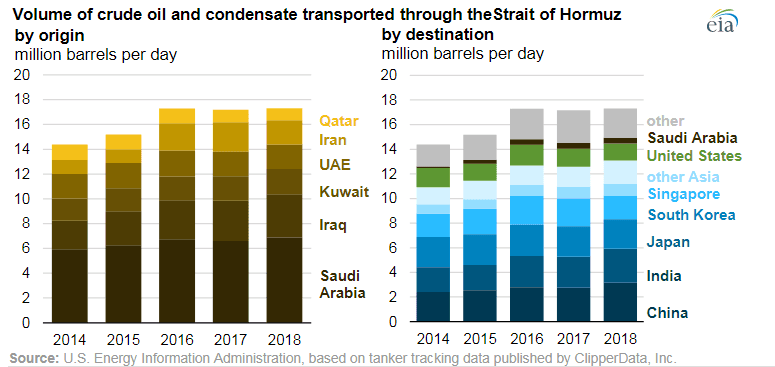
That trade-off matters in one of the narrowest and most consequential passages on earth. The Strait of Hormuz is the primary export route for oil from Saudi Arabia, the United Arab Emirates, Kuwait, Qatar, Iraq, Bahrain and Iran. If traffic stays subdued, insurers, traders and refiners will keep pricing in the risk that a sharper shock in the Persian Gulf could ripple through Asian import markets and show up next in global crude benchmarks and U.S. gasoline costs.
This article was produced by Prism’s automated news system from verified source data, official records, and press releases, then run through automated quality and moderation checks before publishing. The system is built and supervised by the people who set the standards it runs under. Read our full AI policy.
Know something we missed? Have a correction or additional information?
Submit a Tip