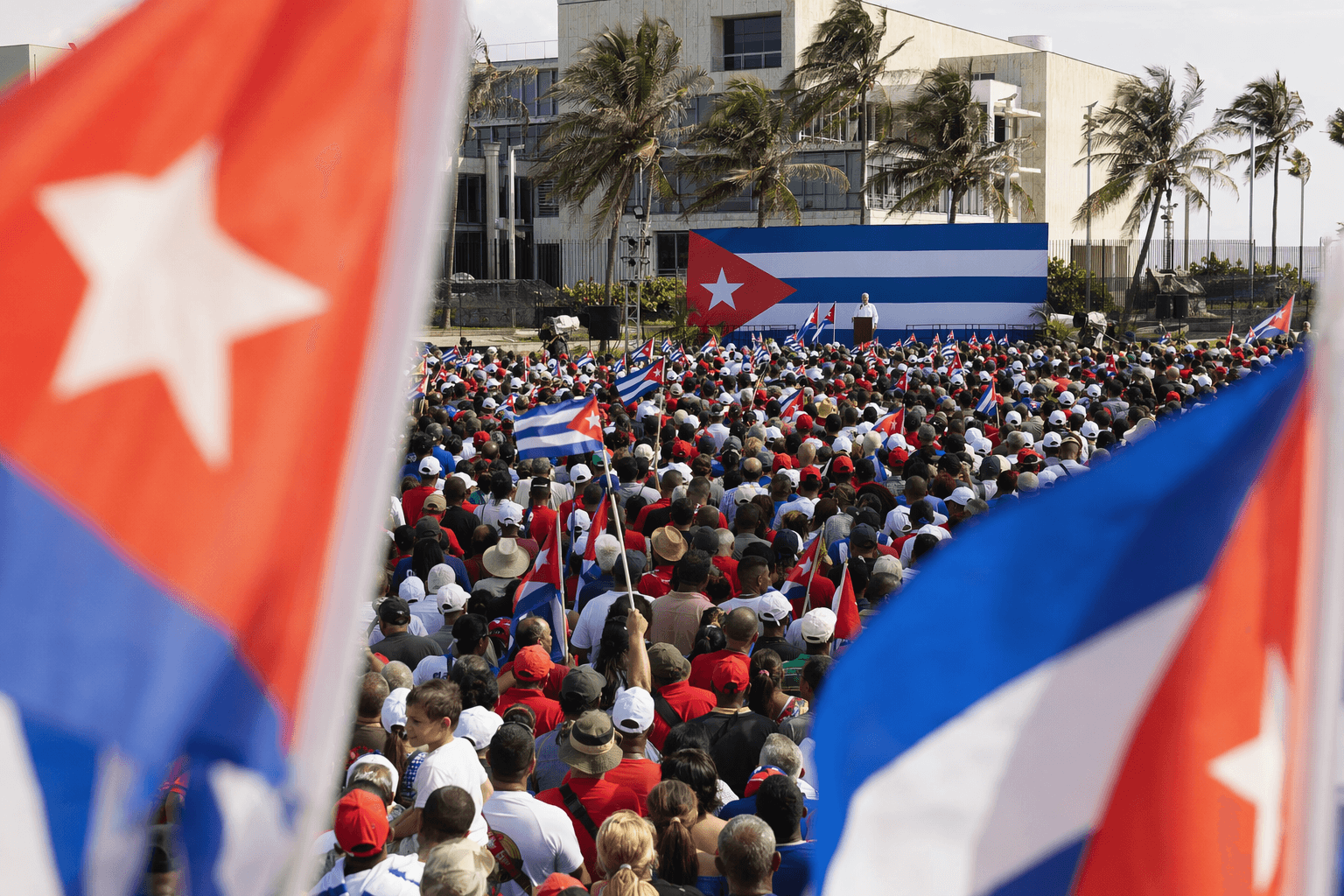
Global May Day protests target rising costs, Trump’s Middle East war
Workers from Seoul to Istanbul turned May Day into a protest against war-driven price spikes, with energy costs and falling purchasing power at the center of the anger.
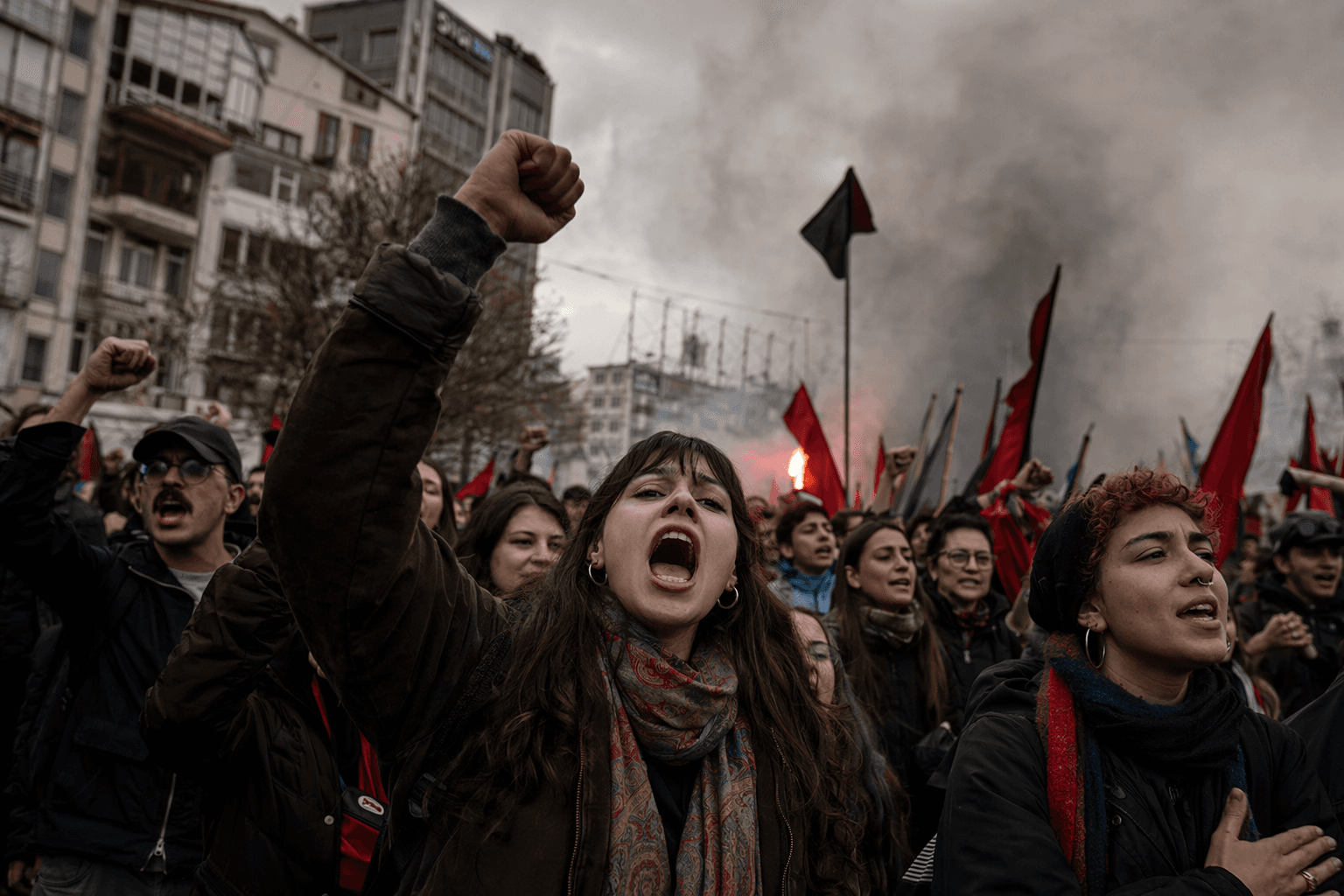
Workers across dozens of countries turned May Day into a direct challenge to rising costs, and to the Middle East war they said was driving them higher. From Seoul and Sydney to Jakarta, Manila, major European capitals and multiple U.S. cities, demonstrators used International Workers’ Day to press for higher wages, stronger pensions and relief from energy bills that have outpaced pay.
The political edge of the rallies was especially sharp in Europe, where the European Trade Union Confederation said workers would not accept being made to pay for Donald Trump’s war in the Middle East. The group represents 93 trade union organizations in 41 European countries, giving the message a wide reach across the continent. What began as a traditional labor holiday became, in many places, a protest against war-linked inflation and the erosion of living standards.
In the United States, activists planned marches and boycotts aimed at Trump’s policies, folding labor anger into a broader anti-administration message. In the Philippines, protesters gathered near the U.S. Embassy and tied the conflict to higher taxes and wages that have failed to keep up with the cost of daily life. Their message reflected a broader pattern across the protests: workers were not only demanding better pay, but also objecting to the way global conflict was pushing up basic household expenses.
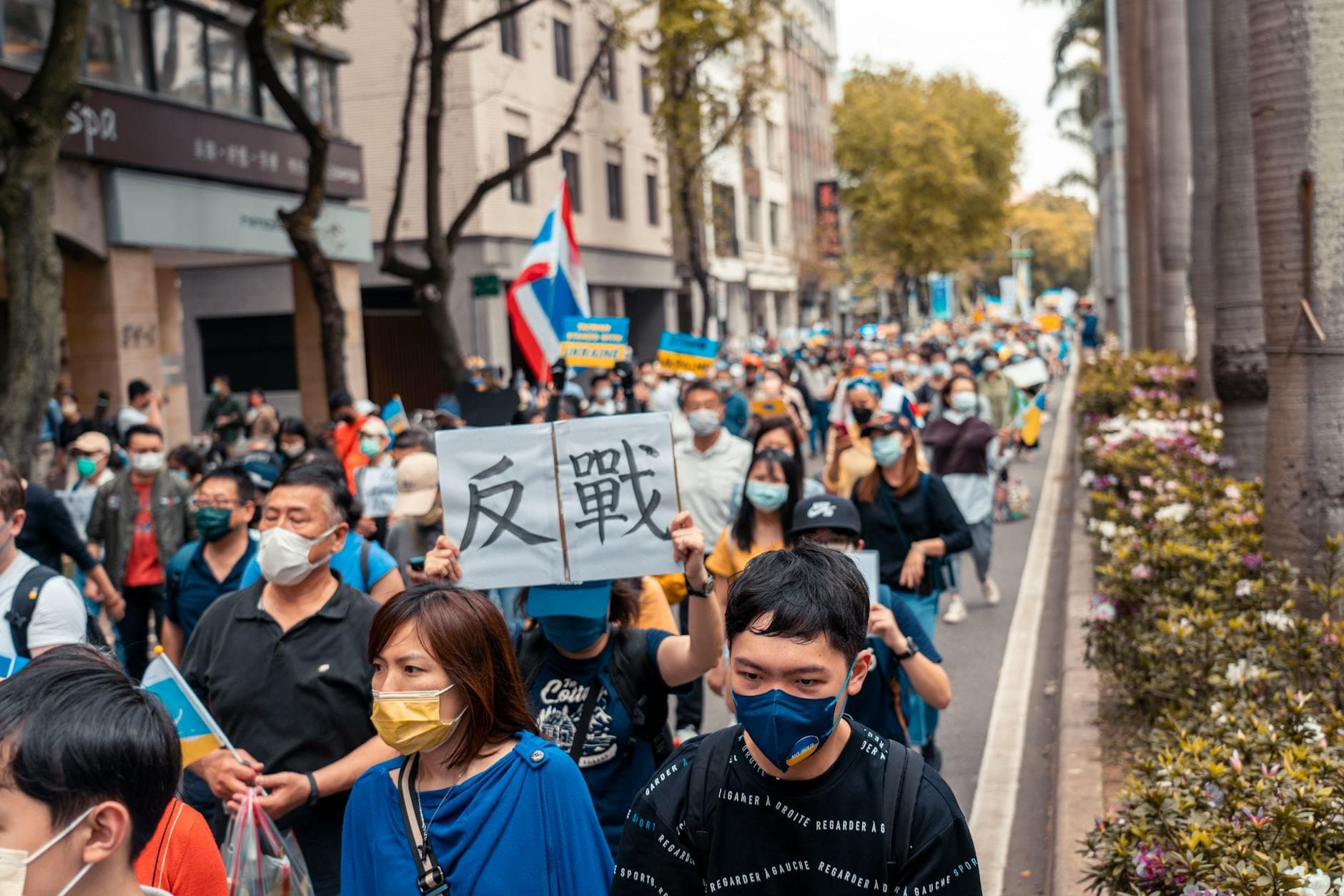
The economic pressure was especially visible in poorer countries. In Pakistan, where inflation was running around 16%, a construction worker near Islamabad described the cost of missing a day’s work in the simplest possible terms: no wages meant no vegetables and no essentials. That sense of squeeze echoed through the rallies, which linked shrinking purchasing power to the war’s effect on energy prices and food budgets.
In Jakarta, President Prabowo Subianto appeared at a large rally under heavy security, underscoring how May Day remained a stage for both labor politics and national power. In Istanbul, police detained protesters who tried to reach Taksim Square, a symbolic center of dissent and a reminder that labor marches can quickly become tests of state authority. May 1, observed in many countries as International Workers’ Day, has long been a day for unions to organize around wages, pensions, inequality and broader political demands. This year, those familiar grievances converged on a new target: the cost of war at the kitchen table.
Know something we missed? Have a correction or additional information?
Submit a Tip