GOP lawmakers warn Germany troop withdrawal could weaken NATO deterrence
Two GOP committee chairs warned that pulling 5,000 U.S. troops from Germany would narrow NATO’s margin for deterrence and could signal hesitation to Moscow.
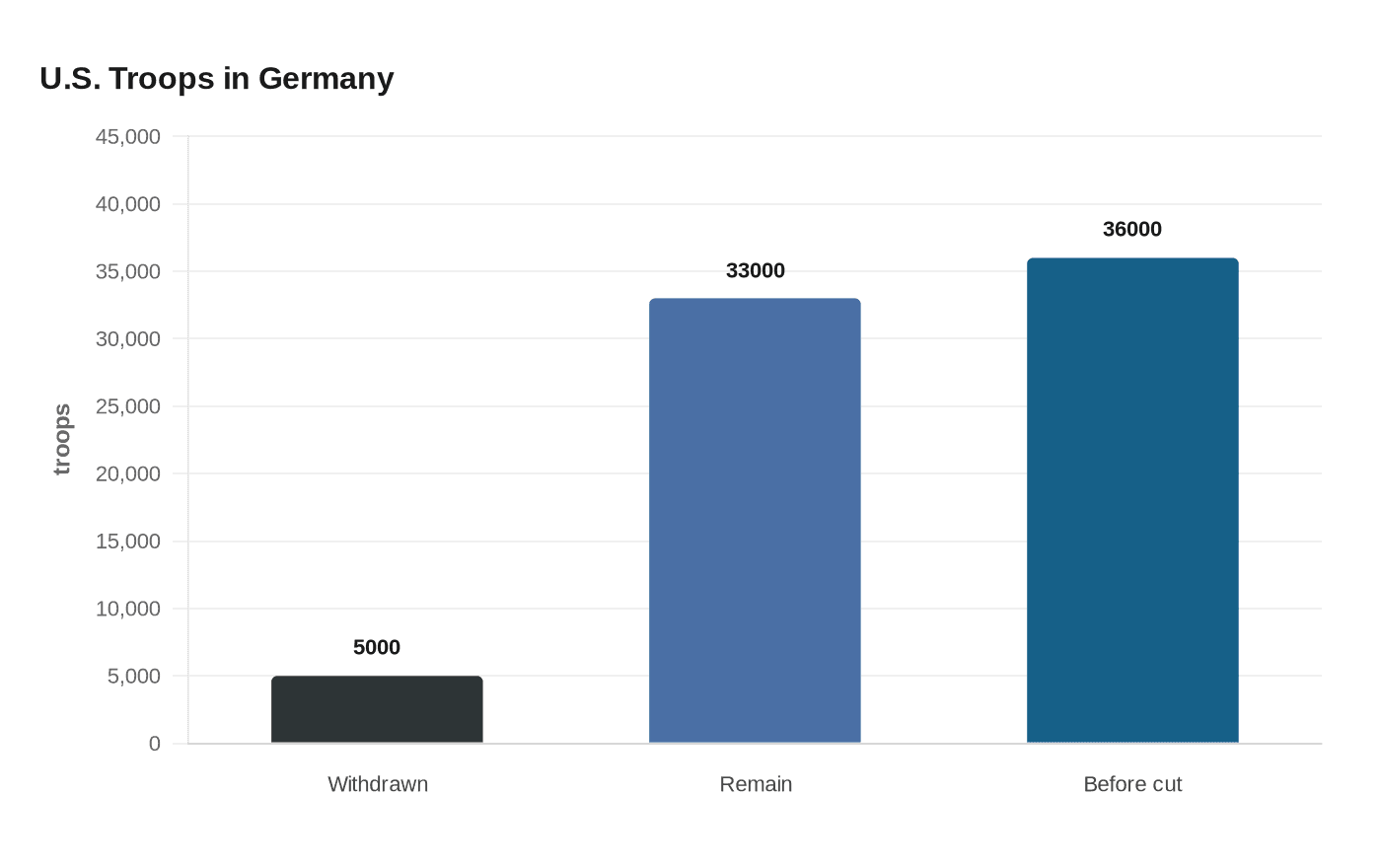
Two GOP committee chairs warned that pulling 5,000 U.S. troops from Germany would narrow NATO’s margin for deterrence at the exact moment Washington is reassessing its posture in Europe. The Pentagon plan would leave about 33,000 American troops in Germany, down from more than 36,000 active-duty personnel, with the withdrawal completed over the next six to 12 months.
Senate Armed Services Committee Chairman Roger Wicker of Mississippi and House Armed Services Committee Chairman Mike Rogers of Alabama said on May 2 that they were “very concerned” by the decision to withdraw a U.S. brigade from Germany. They argued the troops should be shifted east within Europe rather than removed from the continent, saying forward presence still matters while NATO faces pressure from Russia.
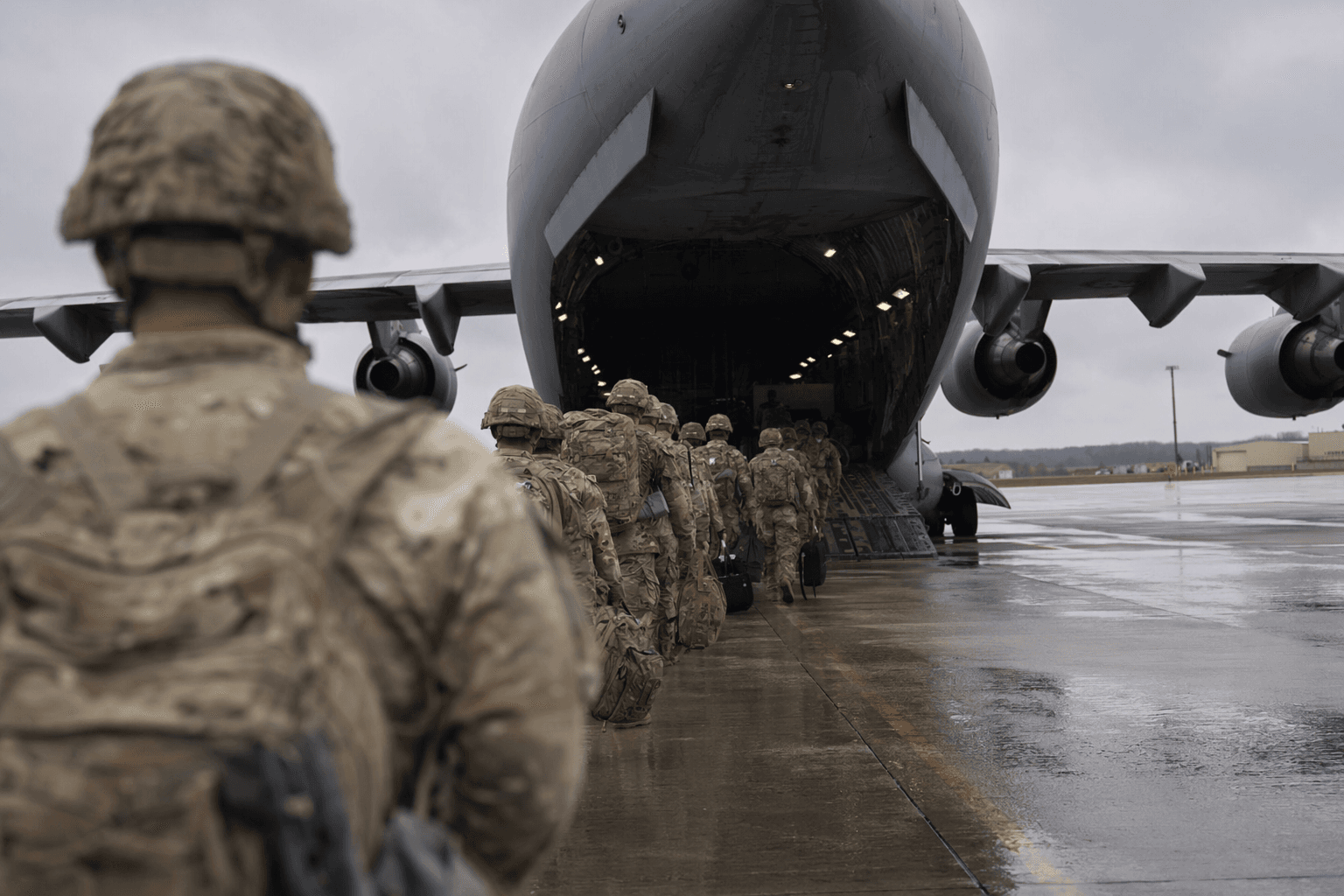
The deterrence argument is about more than troop totals. Germany is the largest U.S. military base in Europe and a central logistical hub for American operations, including troop movements and support missions beyond the continent. Cutting 5,000 personnel from that network would not collapse NATO readiness, but it would reduce the density of forces available for training, coordination and rapid reinforcement at a time when allied planners are trying to show that any Russian test of NATO would be met quickly and collectively.
The lawmakers said the move risked sending the wrong signal to Russian President Vladimir Putin. That message matters because deterrence depends not only on combat power already in place, but on the visible ability to move troops, sustain them and keep escalation options open. Wicker said, “We are very concerned by the decision to withdraw a U.S. brigade from Germany... Rather than withdrawing forces from the continent altogether, it is in America's interest to maintain a strong deterrent in Europe by moving these 5,000 U.S. forces to the east.”
German Defence Minister Boris Pistorius took a different view, saying the drawdown should push Europe to strengthen its own defences and build a stronger European pillar inside NATO. That argument reflects a broader transatlantic strain that has deepened under Donald Trump, who said the United States was reviewing troop reductions in Germany and suggested the cuts could be larger than 5,000.
The plan also follows reports that a U.S. battalion with long-range Tomahawk missiles for Germany was dropped, a move Berlin had wanted as an added deterrent against Russia. Together, the troop cut and the shelved missile unit point to the same debate now shaping NATO strategy: whether the alliance is safer with fewer American forces in Germany and more European responsibility, or whether pulling back from Europe weakens the very deterrence that has kept the peace.
This article was produced by Prism’s automated news system from verified source data, official records, and press releases, then run through automated quality and moderation checks before publishing. The system is built and supervised by the people who set the standards it runs under. Read our full AI policy.
Did this article answer your question?


