Greenland’s warmest January on record reshapes economy and geopolitics
Greenland recorded its warmest January on record, preliminary data show. The spike intensifies economic shifts, risks to communities, and international strategic interest.
Preliminary figures released by the Danish Meteorological Institute showed Greenland recorded its warmest January on record, a stark signal of accelerating change across the Arctic. The unusually warm start to the year is more than a climatological milestone: it is already rippling through Greenland's economy, its communities and the diplomatic calculations of nations with Arctic interests.
The immediate environmental consequences are familiar to scientists: earlier melt and greater surface runoff increase strain on the Greenland ice sheet, contributing to global sea-level rise and altering coastal dynamics. For Greenlanders, whose lives and livelihoods are tightly linked to seasonal patterns, the shift is disrupting predictable cycles of ice cover, hunting and fishing. Thawing permafrost, increased coastal erosion and unstable sea ice present mounting costs for municipal infrastructure, housing and traditional travel routes.
Economic effects are complex and contradictory. Warmer conditions can extend the shipping season and open new navigation windows along northern routes, offering potential commercial gains for ports and logistics firms. At the same time, fisheries are already experiencing shifts in stock distribution as species move northward, challenging quota systems and local fishing practices honed over generations. Tourism operators face both opportunity and risk as visitors seek Arctic experiences while hazards from unstable ice and extreme weather increase.
Resource extraction prospects are drawing renewed attention. Minerals once locked beneath ice and permafrost are becoming more accessible, intensifying interest from international investors. For Greenland's government, which has long debated the balance between economic independence and environmental stewardship, warming accelerates a policy dilemma: exploitation of mineral and hydrocarbon resources could fund development and reduce dependence on Danish subsidies, yet such extraction risks irreversible damage to landscapes, waters and indigenous ways of life.
These domestic choices have international implications. As conditions change, Greenland's strategic value is rising among Arctic and non-Arctic states alike. Increased shipping, resource potential and military access have prompted greater diplomatic engagement and security discussions. The island's status within the Kingdom of Denmark adds complexity: decisions over resource governance, environmental protection and defense involve multiple capitals and indigenous voices seeking greater influence.
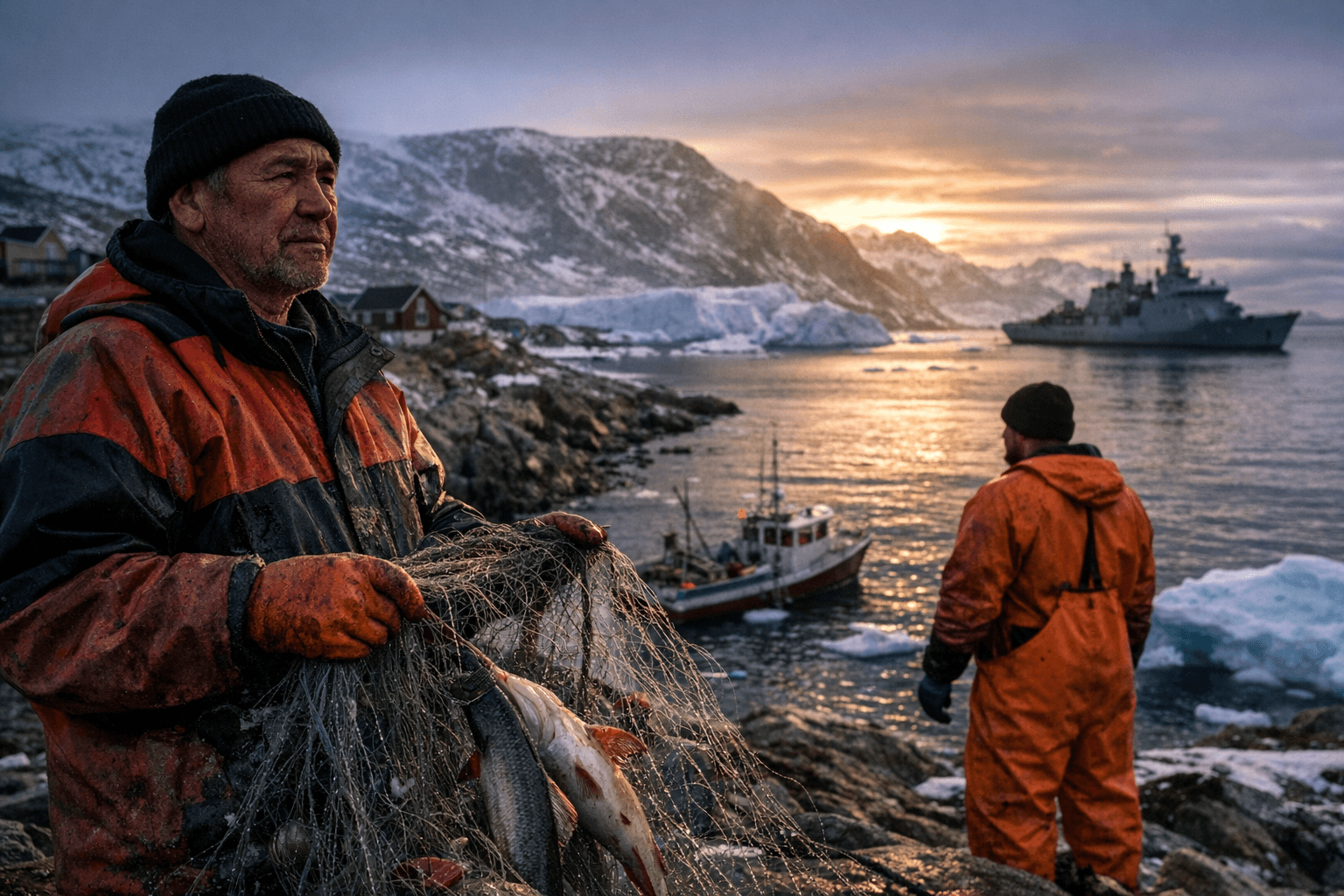
Local communities are already paying the price in tangible ways. Settlements built on permafrost require costly maintenance as foundations settle unevenly; airstrips, roads and harbor infrastructure face higher maintenance bills. Hunters and fishers must adapt gear and timing to altered ice regimes, while public health authorities contend with new patterns of vector-borne disease and food security challenges tied to changing ecosystems.
The warm January is a reminder that Greenland's transformation is not a distant future scenario but a present-day economic and social force. For policymakers in Nuuk and Copenhagen, and for international actors with Arctic interests, the challenge will be to manage opening opportunities without sacrificing the environmental foundations of Greenlandic life. That requires coordinated investment in adaptation, careful governance of resource development and respect for indigenous rights and knowledge.
As climate indicators continue to break records, Greenland stands at the intersection of local survival and global responsibility. How Greenland, Denmark and the wider international community respond will shape the island's economy and the balance of power in the Arctic for decades to come.
This article was produced by Prism’s automated news system from verified source data, official records, and press releases, then run through automated quality and moderation checks before publishing. The system is built and supervised by the people who set the standards it runs under. Read our full AI policy.
Did this article answer your question?


