Gulf Energy Recovery Expected to Take Months Despite Quick Well Restarts
Gulf energy infrastructure faces at least a $25 billion repair bill, with the three companies that manufacture critical LNG turbines already carrying multi-year backlogs.
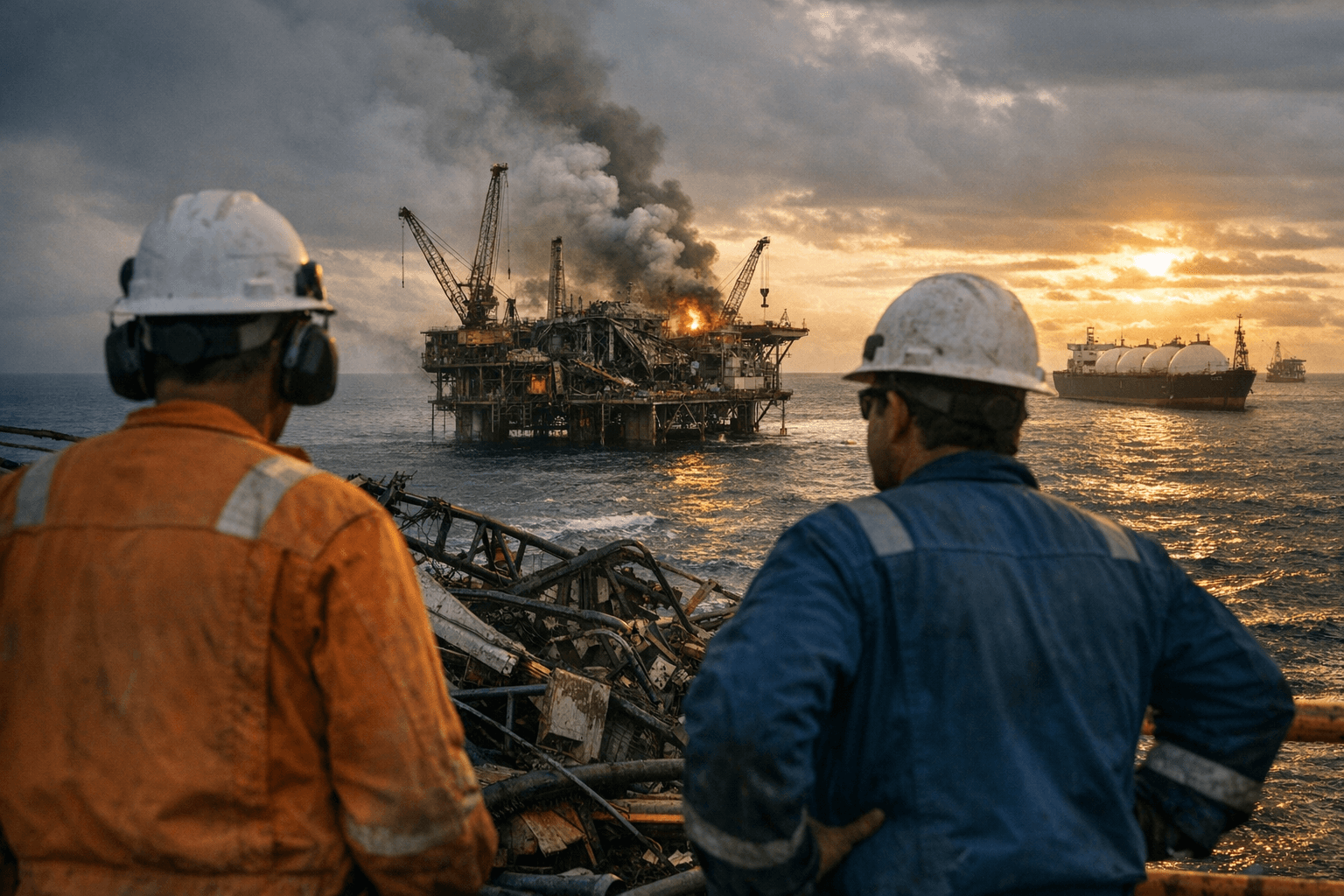
Even a ceasefire cannot flip the Persian Gulf's energy system back on. Individual oil wells can theoretically return to output within days or weeks of a cessation of hostilities, but rebuilding what the war destroyed will take months, and in some cases years, as physical damage, supply chain bottlenecks, and a near-total halt in maritime commerce compound one another.
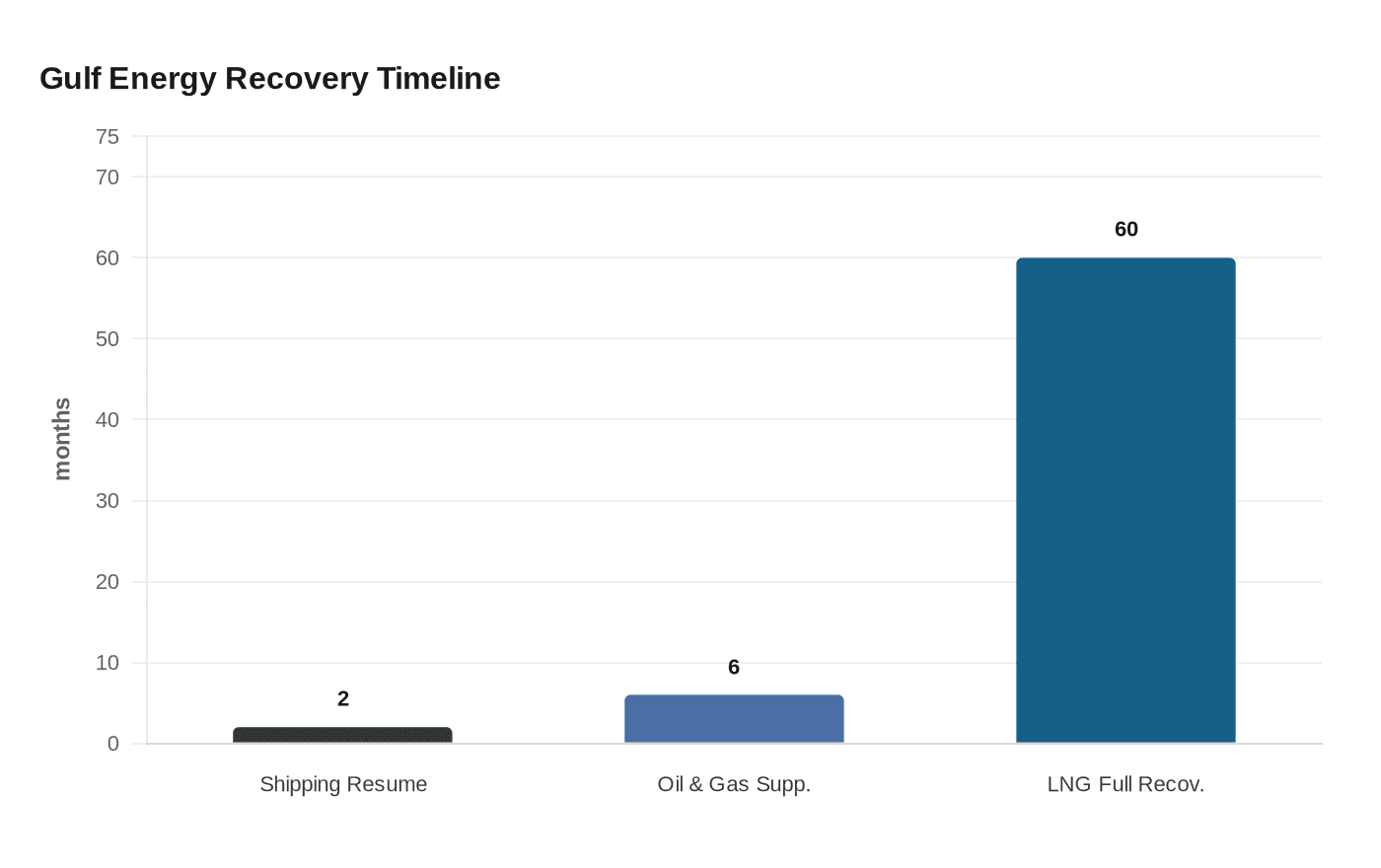
Rystad Energy estimates that energy infrastructure repair and restoration costs across the region have already reached at least $25 billion, spanning LNG trains, refineries, fuel terminals, and gas-to-liquids facilities, with the total expected to climb further. The single worst-hit facility is Qatar's Ras Laffan Industrial City, where the destruction of LNG trains S4 and S6 triggered force majeure and cut capacity by 17 percent, roughly 12.8 million tonnes per annum. Full recovery is estimated to take up to five years. Ras Laffan has been offline since it was first struck on March 2. The disruption of transit via the Strait of Hormuz has reduced LNG supplies from Qatar and the UAE by over 300 million cubic metres per day, translating into a loss of over 2 billion cubic metres of gas supply every week.
Restoring that LNG capacity will require something money cannot immediately buy: the large-frame gas turbines needed to power LNG refrigeration compressors are supplied by only three original equipment manufacturers globally, all of which entered 2026 with production backlogs of around two to four years, driven by demand from data center electrification and coal plant retirement.
Oil wells face a faster technical path back, but those barrels cannot reach global markets without functional pipelines, operating ports, willing tanker crews, and above all, insurance. In the days before the war escalated, war-risk ship insurance premiums for Hormuz transits rose from 0.125 percent to between 0.2 and 0.4 percent of vessel value per transit, adding roughly a quarter of a million dollars per voyage for very large crude carriers. The Trump administration's $20 billion maritime reinsurance program, announced March 6 through the U.S. International Development Finance Corporation and designed to get ships moving through the strait, named Chubb as the primary insurer for Persian Gulf shipping. But Moody's Ratings warned that without coverage of liability risk, the plan was unlikely to work.
The physical backlog is equally daunting. About 2,000 vessels remain stranded in the Persian Gulf and its anchorages. Shipping companies that operate oil tankers in the region would take at least two months to resume operations following any ceasefire suspension of the war. Joe Brusuelas, chief economist at RSM US, said "confidence-building measures in coming days are going to be key to restoring shipments," noting that tanker insurance terms still depend on conditions Iran may impose that remain unclear.
Iranian Foreign Minister Abbas Araghchi said safe passage over the next two weeks "will be possible via coordination with Iran's Armed Forces and with due consideration of technical limitations," a framing that leaves markets guessing about actual throughput and timing.
Saudi Arabia and the UAE moved aggressively to work around the blockade. Aramco's East-West pipeline, a roughly 750-mile system connecting Abqaiq to the Red Sea port of Yanbu, has been pushed toward its 7-million-barrel-per-day capacity. By mid-March, the kingdom had revived more than half its oil exports through that route. The UAE's Habshan-Fujairah pipeline moves 1.5 million barrels per day directly to the Arabian Sea outside the strait. But neither pipeline carries LNG, and vessels rerouted via the Cape of Good Hope face an additional 10 to 14 days at sea, tying up capital and disrupting supply chains already running lean.
The International Energy Agency projected it may take six months to resume meaningful oil and gas supplies from Persian Gulf producers. For the hardest-hit LNG assets, Rystad's equipment bottleneck analysis points well beyond that horizon. The weeks after a ceasefire may quiet the guns; restoring market confidence that oil and gas will actually flow is a different task entirely.
Sources:
Know something we missed? Have a correction or additional information?
Submit a Tip