UK Prime Minister Vows Full Support to Sustain Landmark Ceasefire Deal
Keir Starmer flew to the Gulf pledging full UK support for the landmark two-week US-Iran ceasefire, calling it a "moment of relief" for the region and the world.
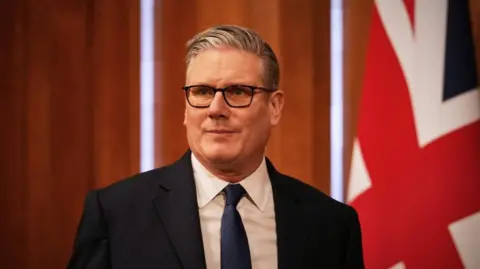
Keir Starmer departed for the Gulf on Wednesday to personally advance the diplomatic push behind a newly announced two-week ceasefire between the United States and Iran, calling the agreement a turning point that must be built into something permanent.
The prime minister is traveling to the Middle East to meet with allies and support ceasefire efforts following the agreement reached overnight. "I welcome the ceasefire agreement reached overnight, which will bring a moment of relief to the region and the world," Starmer said in a statement. "Together with our partners we must do all we can to support and sustain this ceasefire, turn it into a lasting agreement and reopen the Strait of Hormuz," he added.
The deal came after Trump had warned on Tuesday that "a whole civilisation will die" unless Tehran met his demands. Less than two hours before his deadline passed, the US president suspended his threat to widen the military offensive to power plants and bridges, subject to the strait reopening. Iran's Supreme National Security Council confirmed it accepted the two-week ceasefire.
Oil markets responded sharply to the news, with US crude sliding 8 percent to around $103 per barrel after having traded as high as $117 earlier in the day. S&P futures soared more than 1.6 percent, Nasdaq 100 futures climbed 1.8 percent, and Dow futures rose 725 points.
Downing Street said the prime minister would use his visit to the Gulf to make clear the UK's commitment to de-escalation and hold further talks on practical efforts to restore freedom of navigation in the Strait of Hormuz. He also visited British military personnel in the region to thank them for their service.
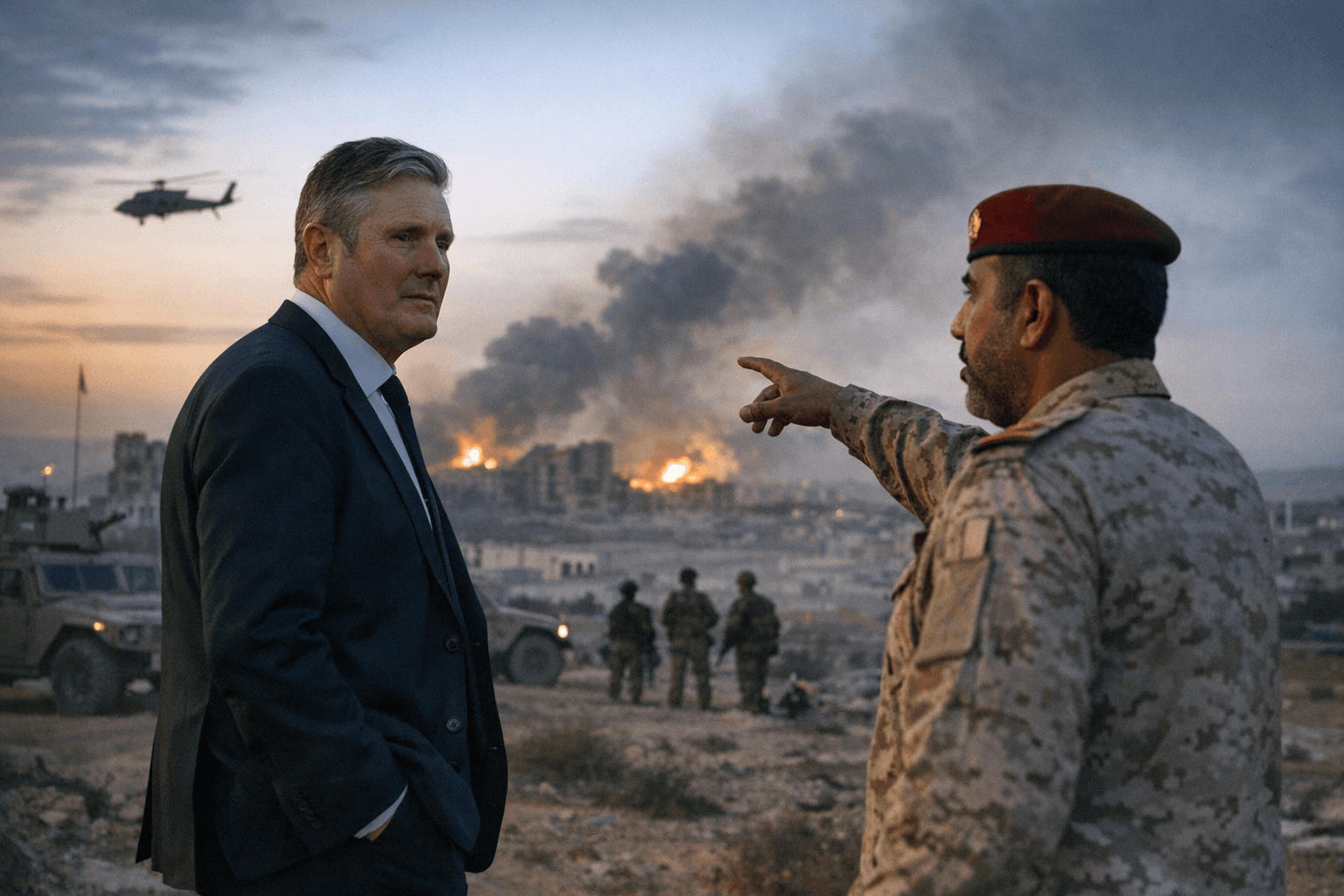
Britain had already been laying the diplomatic groundwork before Wednesday's breakthrough. The UK has been involved in international efforts to restore freedom of navigation to the Strait of Hormuz, hosting international diplomatic and military meetings in the past week to work on a post-conflict security plan for the key waterway. Yvette Cooper spoke with US Secretary of State Marco Rubio in the hours after Trump issued his civilisation warning.
Pakistan's Prime Minister Shehbaz Sharif played a decisive mediating role, asking Trump for a two-week extension of his deadline and urging Iran to reopen the strait as a goodwill gesture. Sharif subsequently invited both delegations to Islamabad on April 10 to continue negotiations toward a conclusive agreement.
Israeli Prime Minister Benjamin Netanyahu clarified that the US-Iran ceasefire announced does not include Lebanon, where a separate front of the conflict has continued.
Starmer has been heavily criticised by Trump for failing to support US and Israeli strikes on Iran, making his Gulf trip a pivotal opportunity to reaffirm Britain's diplomatic credibility with both Washington and regional partners. The UK trip, which was planned before the ceasefire was announced, now carries heightened urgency as world leaders race to lock in a fragile pause before the two weeks expire.
This article was produced by Prism’s automated news system from verified source data, official records, and press releases, then run through automated quality and moderation checks before publishing. The system is built and supervised by the people who set the standards it runs under. Read our full AI policy.
Did this article answer your question?


