UN Probe Blames Israel, Likely Hezbollah for Indonesian Peacekeeper Deaths
A UN probe found an Israeli Merkava tank killed one Indonesian peacekeeper and a Hezbollah IED killed two more in south Lebanon's deadliest UNIFIL incident in years.
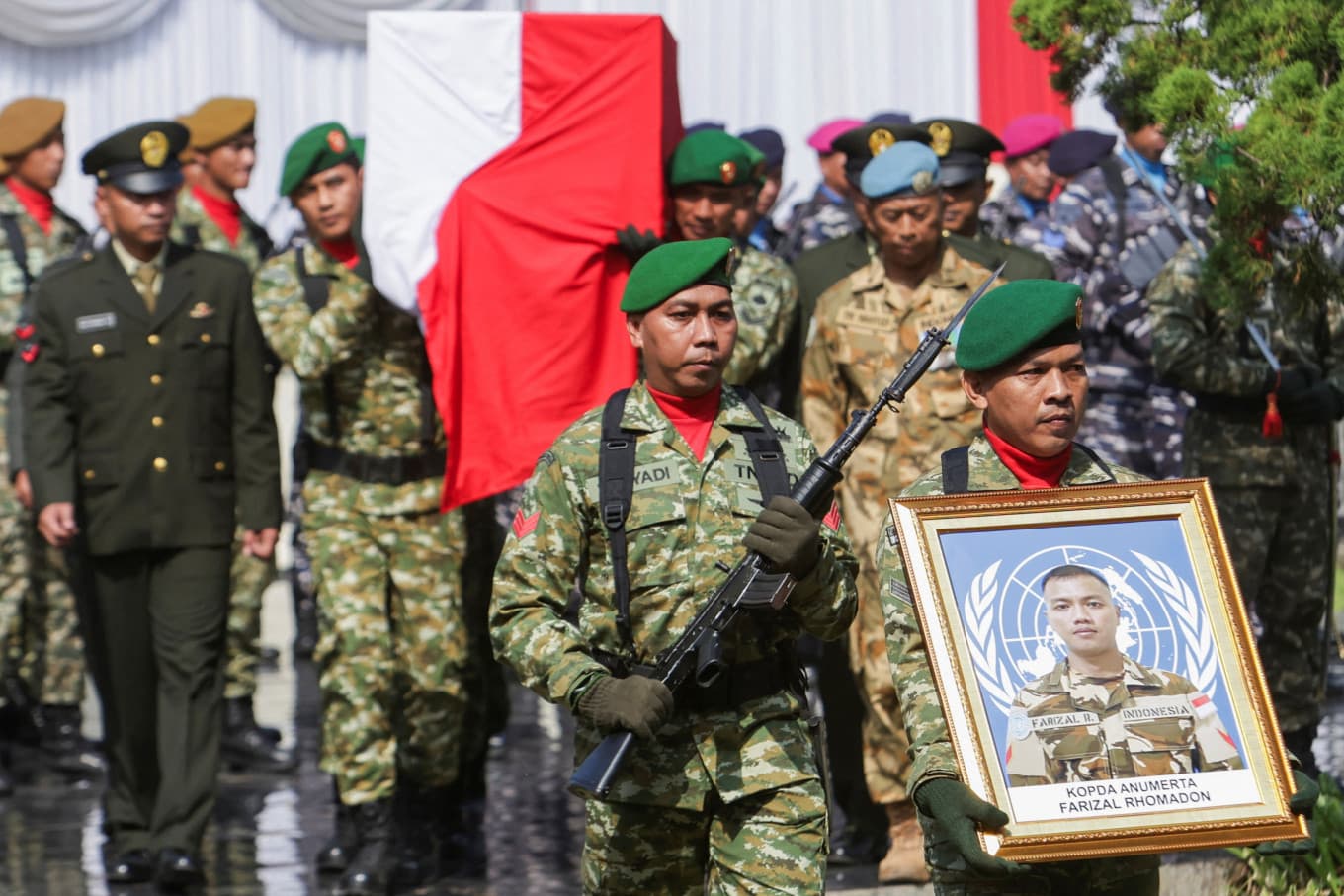
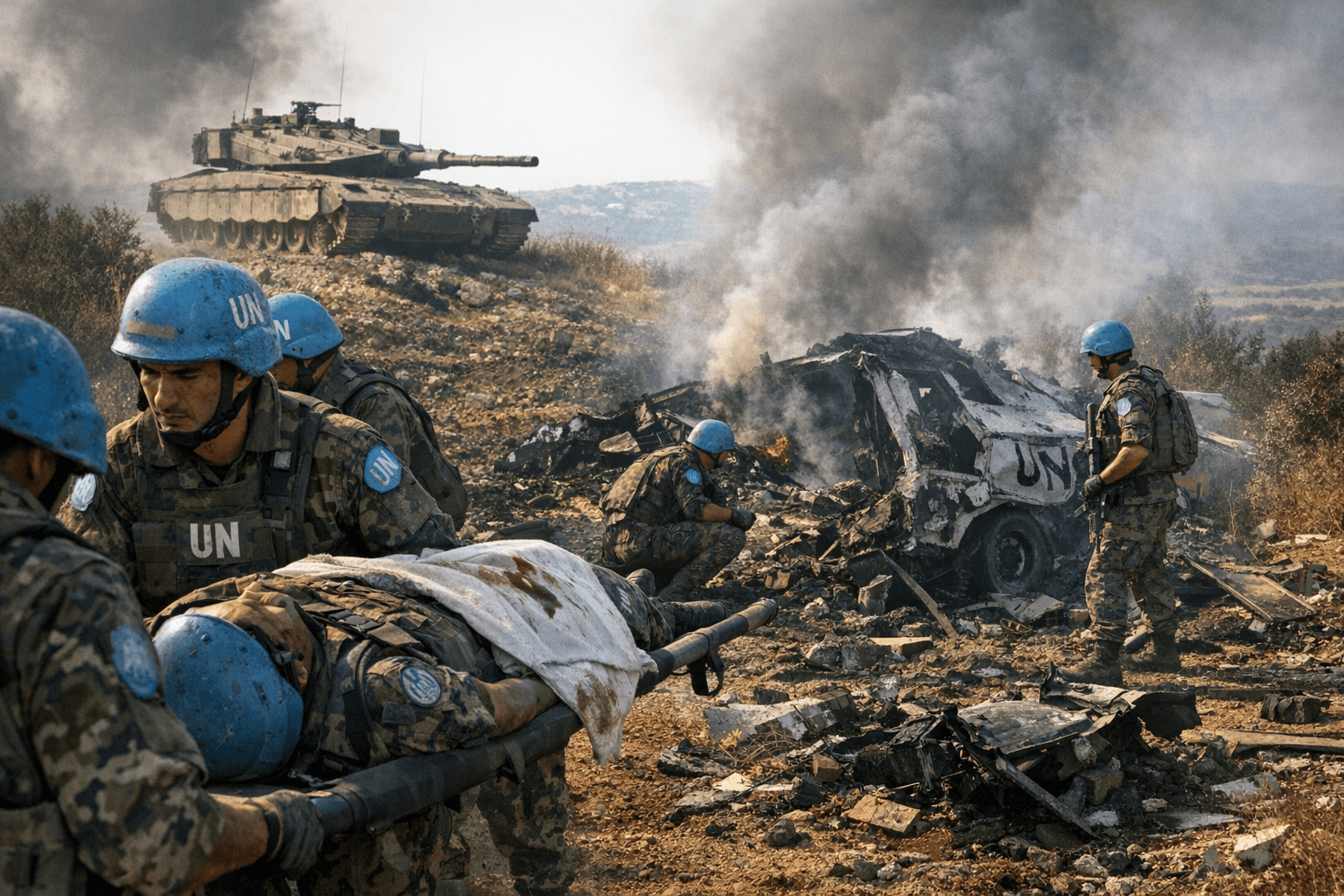
Three Indonesian soldiers serving with the United Nations Interim Force in Lebanon are dead, and a UN investigation has assigned responsibility to both sides of the conflict: one killed by an Israeli tank round, two others by an improvised explosive device most likely planted by Hezbollah.
The preliminary findings, announced by UN Secretary-General spokesman Stéphane Dujarric on April 7, named the three fallen soldiers as Major Zulmi Aditya Iskandar, First Sergeant Muhammad Nur Ichwan, and Corporal Farizal Rhomadon. They were killed in two separate incidents in southern Lebanon on March 29 and 30.
In the first incident, a projectile struck a UN position near Adchit Al Qusayr. The probe concluded "the projectile was a 120 mm tank main armament round, fired by an Israel Defense Forces Merkava tank from the east." That position, designated UN Post 7-1, has served as the headquarters of Indonesia's mechanized battalion since 2009. The following day, a UNIFIL logistics convoy was destroyed near Bani Hayyan. Dujarric told reporters that the explosion was caused by an IED and that "given the location of the incident, the nature of the explosion, and the current context, the IED was most likely placed by Hezbollah."
Dujarric called both incidents "unacceptable" and said they could amount to war crimes under international law, adding that the UN had requested national authorities investigate and prosecute those responsible. The findings were formally shared with the governments of Indonesia, Israel, and Lebanon.
Indonesia received the bodies of the three soldiers on April 5 at Soekarno-Hatta International Airport in a ceremony attended by President Prabowo Subianto. The Indonesian foreign ministry stated afterward that it had "urged all relevant parties to investigate and prosecute the perpetrators, and to ensure accountability for the crimes committed against peacekeeping personnel." Foreign Minister Sugiono separately pressed for a thorough UN investigation.
The incidents expose the acute vulnerability of the roughly 8,000 peacekeepers from nearly 50 countries who serve under UNIFIL, a mission established by the UN Security Council in 1978 to monitor the separation line between Israel and Lebanon. Post 7-1, a permanent and clearly identifiable installation that both the IDF and Hezbollah have long known, was struck anyway, a detail that analysts say makes the accountability question harder to dismiss as battlefield ambiguity.
The probe's conclusions land at a moment of broader regional pressure. Humanitarian convoys have been blocked and Lebanese journalists and medics killed in Israeli strikes in the same stretch of territory. With UNIFIL's mandate set for review at the end of 2026, the deaths of Iskandar, Ichwan, and Rhomadon now sit at the center of a debate over whether the mission can continue to function without structural guarantees that neither Israel nor Hezbollah have shown willingness to provide.
This article was produced by Prism’s automated news system from verified source data, official records, and press releases, then run through automated quality and moderation checks before publishing. The system is built and supervised by the people who set the standards it runs under. Read our full AI policy.
Did this article answer your question?


