UK Prime Minister Backs Ceasefire Deal, Pledges Full Support
Keir Starmer flew to the Gulf to convert a fragile two-week US-Iran truce into a lasting deal, with the UK facing its sharpest energy shock among major developed nations.

Keir Starmer flew to the Gulf on Wednesday to begin what his government cast as a race against the clock: converting a conditional, two-week truce between the United States and Iran into a durable agreement before the ceasefire window runs out.
The Prime Minister welcomed the overnight deal, stating "I welcome the ceasefire agreement reached overnight, which will bring a moment of relief to the region and the world." But relief was only the starting point. "Together with our partners we must do all we can to support and sustain this ceasefire, turn it into a lasting agreement and reopen the Strait of Hormuz," he said.
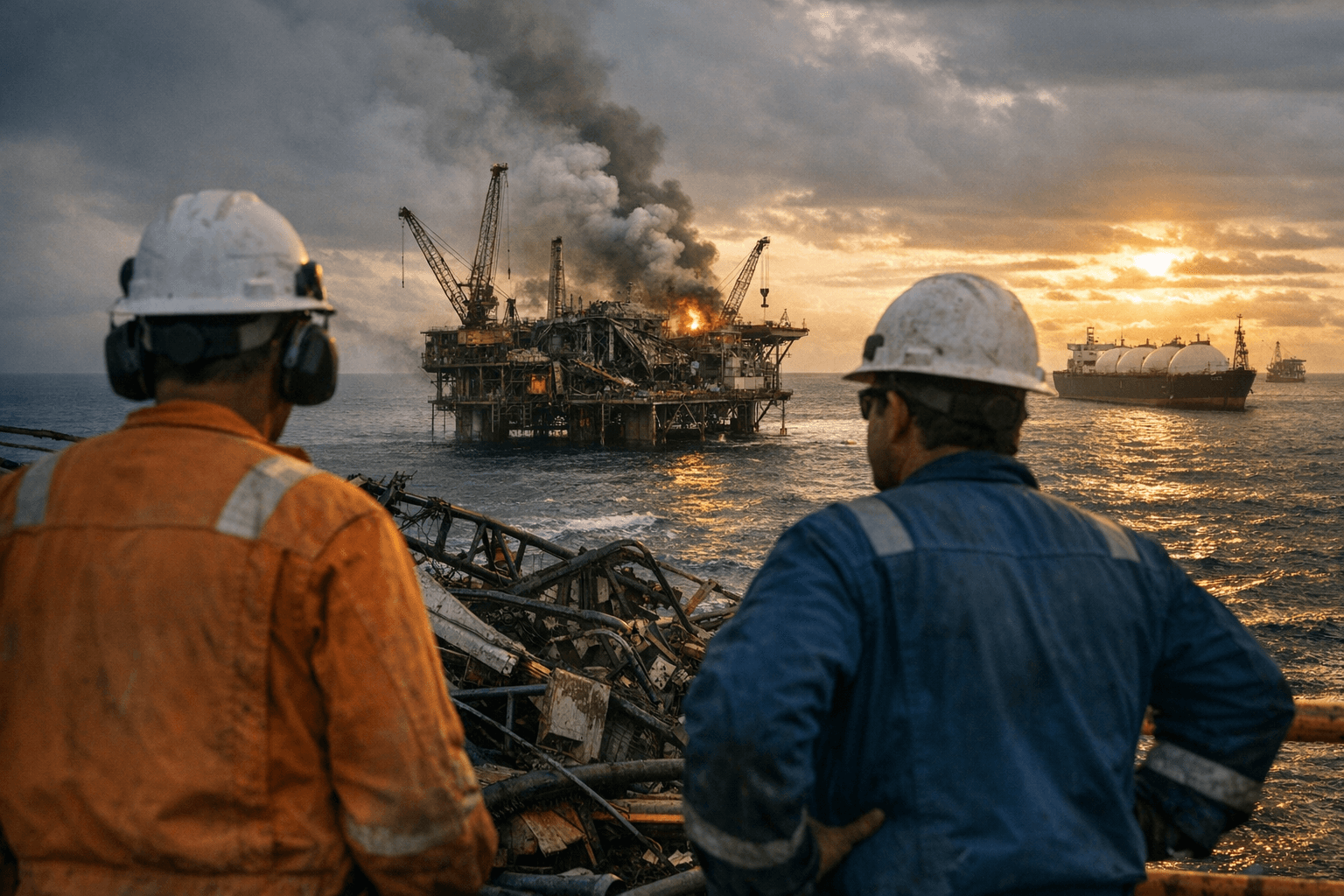
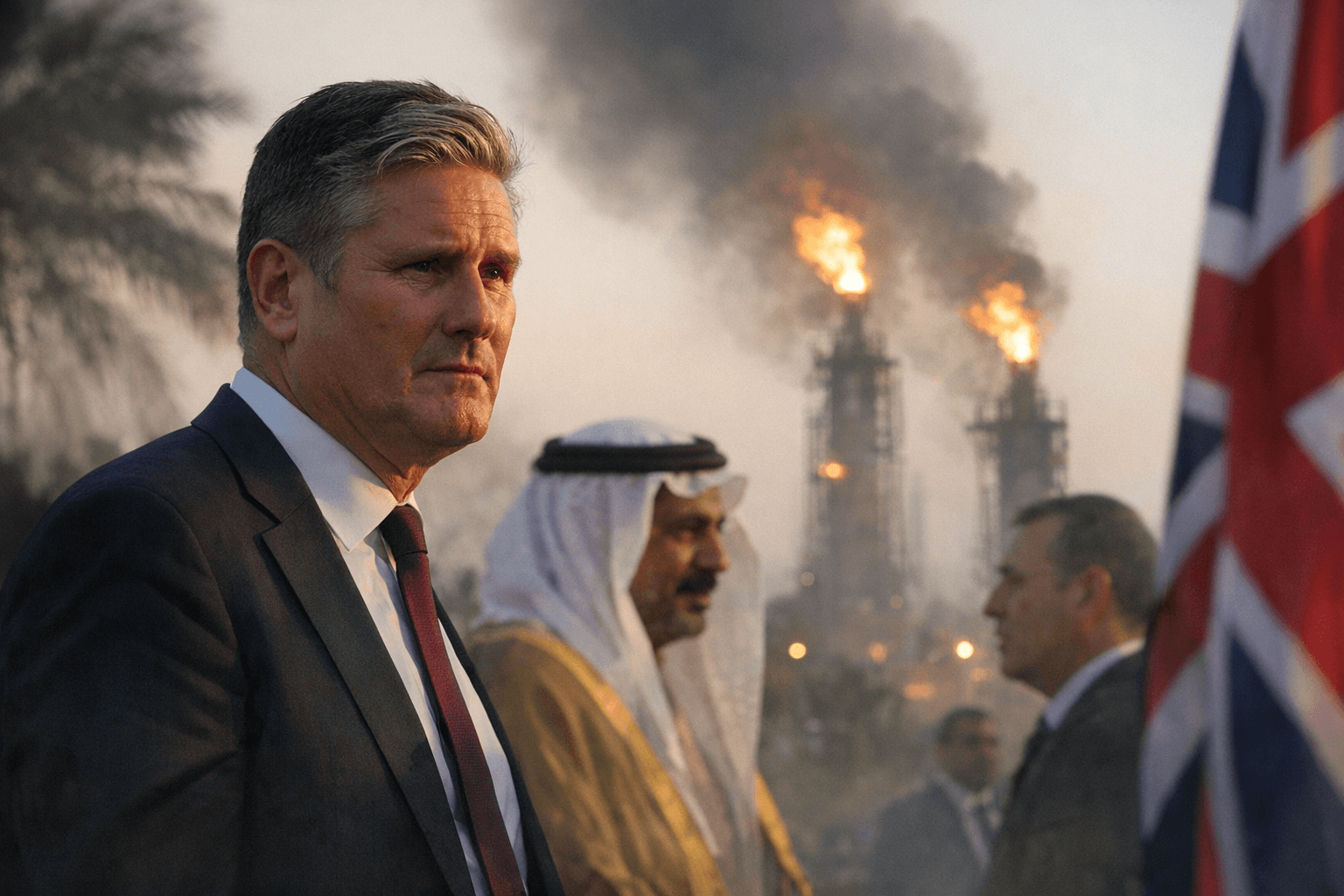
Starmer's Gulf stop carried a precise diplomatic mandate: reassure regional allies of Britain's commitment to de-escalation and hold direct talks on restoring freedom of navigation through the Strait of Hormuz. Downing Street said discussions would focus on "practical efforts" to secure permanent passage through the waterway, which carries roughly 20 percent of global oil and gas supply in peacetime. The visit also included time with British military personnel deployed in the region.
The trip built on weeks of intensive UK-led coalition-building. Britain had already convened virtual talks with more than 40 countries, and Foreign Secretary Yvette Cooper held discussions with US Secretary of State Marco Rubio in the hours before Starmer boarded his plane. Cooper had previously accused Iran of blockading the waterway "to hold the global economy hostage." Beyond diplomacy, Downing Street said military planners would convene to map out how to marshal allied capabilities to clear sea mines and protect tankers once the fighting fully stops.
The two-week ceasefire was conditional from the outset. Trump announced the suspension of planned strikes on Iranian infrastructure only after conversations with Pakistani Prime Minister Shehbaz Sharif and Field Marshal Asim Munir, with the truce hinging on Iran's full and immediate opening of the Strait. Iran's blockade had already driven global oil prices above $100 per barrel, a jump of roughly 40 percent from pre-war levels. UK wholesale natural gas prices surged approximately 75 percent between late February and late March.
The domestic stakes for Starmer were hard to overstate. Britain was assessed as likely the worst-hit major developed economy from the conflict's energy disruption. Cutting living costs had been the government's stated top priority: as recently as February, the Bank of England had forecast inflation falling to 2.1 percent by mid-2026. The conflict shredded that projection, raising the prospect of rate hikes rather than the cuts Starmer had counted on to ease pressure on households.
Oil prices fell nearly 15 percent on the ceasefire announcement alone, a signal of how much the global economy needed the deal to hold. Whether the truce survives beyond its two-week window now rests significantly on what Starmer can secure in the Gulf.
Sources:
Know something we missed? Have a correction or additional information?
Submit a Tip