Gulf states caught in crossfire after U.S.-Israel assault on Iran
U.S. and Israel launched a massive assault on Iran; Iran fired more than a thousand missiles and drones at six Gulf states, killing at least seven and threatening oil markets.
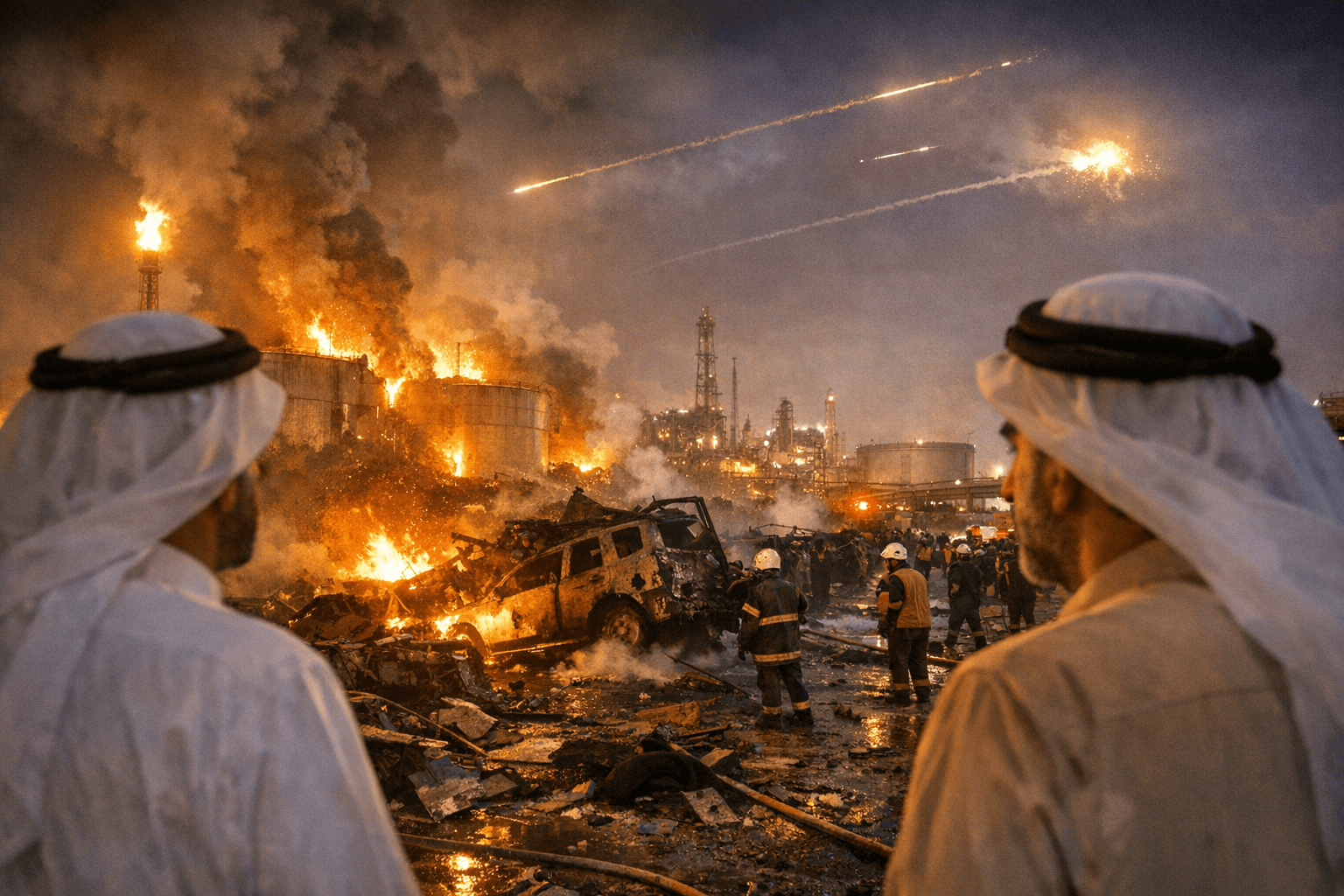
The United States and Israel have launched a massive assault on Iran, and in swift retaliation Iran has fired more than a thousand missiles and drones at Saudi Arabia, the Emirates, Qatar, Bahrain, Kuwait and Oman, signaling a rapid expansion of the conflict into the Persian Gulf. The strikes have killed at least seven people in those countries, according to official reports tallied by The New York Times.
For years, Gulf leaders feared this exact scenario. "For years, the Persian Gulf countries had worried about the prospect of an out-of-control war with Iran, which would bring missiles and drones to their gleaming cities, trapping tourists and sending foreign executives fleeing," the New York Times reported from Riyadh. The violence has already produced dramatic imagery: an explosion in an industrial zone in the United Arab Emirates sent a plume of smoke over a delivery driver stopped at an intersection, one photograph shows.
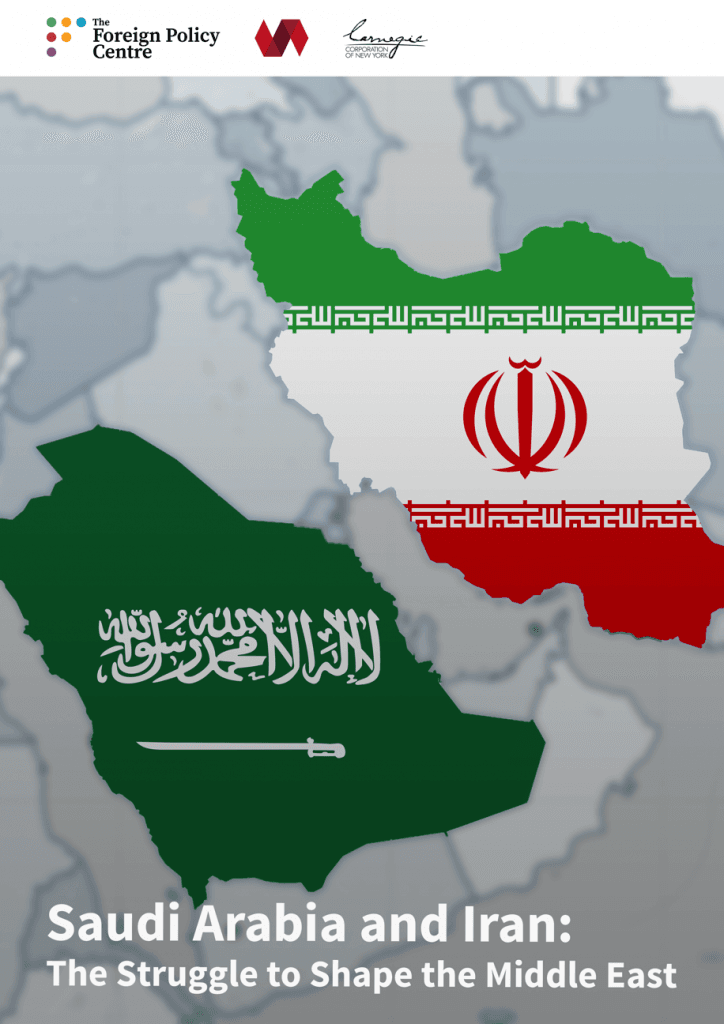
Those fears rest on concrete strategic choices. Gulf states "have built American military bases and spent tens of billions of dollars on American weapons," a long-standing bet that Washington would provide a shield against Tehran and its proxies. That alignment, however, is now straining under direct attacks on Gulf territory and critical infrastructure. Gulfif, an analysis platform cited in regional commentary, stresses that "Equally important is the fact that recent de-escalation and normalization between Saudi Arabia and Iran have served tangible interests on both sides." Those rapprochements, Gulfif argues, were intended to reduce the risk of the exact wider war that now appears to be unfolding.
The economic stakes are immediate. Gulfif warns that "Among the most acute concerns is the Strait of Hormuz. Closing the strait would create severe consequences for Gulf oil exporters, especially Qatar and Kuwait." Even a temporary closure, Gulfif says, "would trigger a global energy and financial shock, the severity of which would depend on duration but would be destabilizing in any case." Markets are already sensitive to supply disruption; even the prospect of episodic closures or damage to export infrastructure is likely to drive oil price volatility and ripple through global financial markets.
Politically, Gulf capitals are trapped between their security dependence on the United States and their economic and geographic exposure to Iran. Gulfif notes that "For this reason, out of concern that war would carry catastrophic regional implications, the GCC, especially Saudi Arabia, Qatar, and Oman, have focused their diplomatic energy on urging Washington to avoid military action." That diplomatic posture reflected a calculation that the risks of regime collapse or fragmentation in Tehran could produce a more dangerous landscape than the status quo. As Gulfif puts it, "Moreover, there is no guarantee that regime collapse in Iran as a result of internal unrest or an external offensive would produce a more cooperative government; it could just as plausibly yield a more radicalized or fragmented outcome, spawning a security nightmare for the other Gulf nations."
Operational risks on the ground compound the political dilemma. Gulfif warns that "Saturation attacks on missile defenses or infrastructure would inevitably widen the theater of operations, dragging Gulf countries from reluctant stakeholders into active participants, regardless of their intentions." Several Gulf states host U.S. military facilities, notably Kuwait, Qatar, and Bahrain, increasing the chances that military fallout will intersect directly with American forces and bases.
The convergence of military escalation, fragile diplomacy, and concentrated energy exports creates a high-stakes economic and security test for the Gulf. Policymakers in Riyadh, Abu Dhabi, Doha and Muscat now face immediate choices about basing, defense posture, and whether to redouble quiet diplomacy to prevent a regional conflagration that analysts say would be costly for jobs, investment, and global markets.
Know something we missed? Have a correction or additional information?
Submit a Tip