Hard-line leader could emerge as Trump tightens Cuba pressure
Trump’s latest Cuba sanctions sharpen a succession battle in Havana, where Miguel Díaz-Canel and the Castro family still define the field.
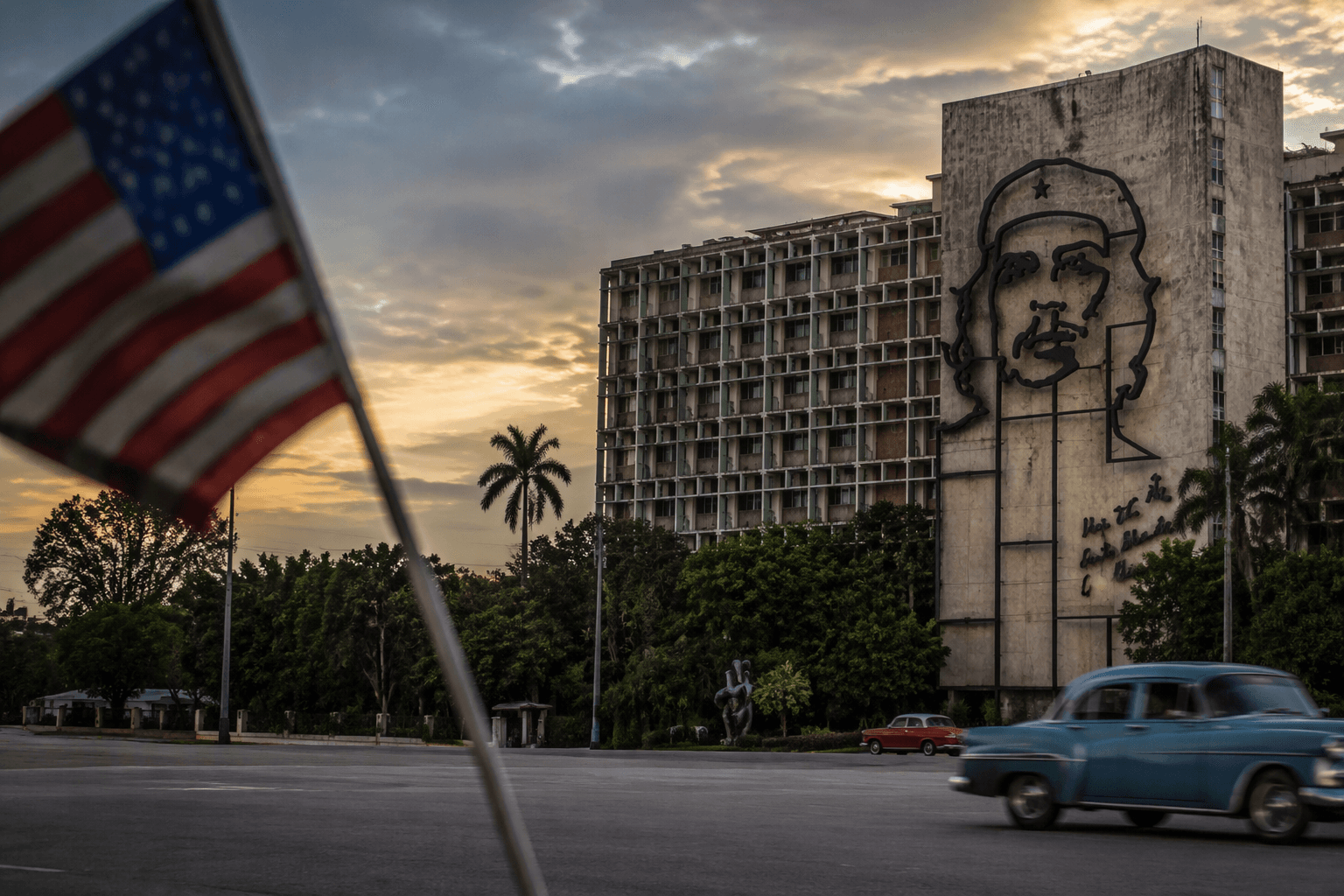
The United States issued new Cuba-related sanctions on Aug. 6, extending Donald Trump’s pressure campaign against Havana at a moment when Cuba’s next leadership fight is still framed by the Castro era. The move adds to a policy shift that has already tightened oil shipments, restored Cuba’s state sponsor of terrorism designation and raised the cost of any economic misstep in Havana.
Congressional researchers said the rupture deepened early in 2025. Updated materials from Feb. 6, 2025, said Joe Biden issued several executive actions on Jan. 14 that modified U.S. policy toward Cuba, then Trump reversed course six days later on the first day of his second term. The Council on Foreign Relations says the two countries have had a strained relationship for nearly seven decades, dating to Fidel Castro’s overthrow of a U.S.-backed government in 1959, and that Trump’s second administration has brought tougher rhetoric and tighter sanctions.
Succession remains the political fault line. In April 2021, Cuba’s Communist Party elevated Miguel Díaz-Canel to first secretary, the most powerful position in the country, after he had already been chosen by Raúl Castro as president in 2018. That keeps Díaz-Canel at the center of any transition, but AP reporting in the search results says Trump is pushing for leadership change in Cuba and that the next president could be a Castro, a reminder that the family name that defined the revolution still shapes expectations inside and outside the island.
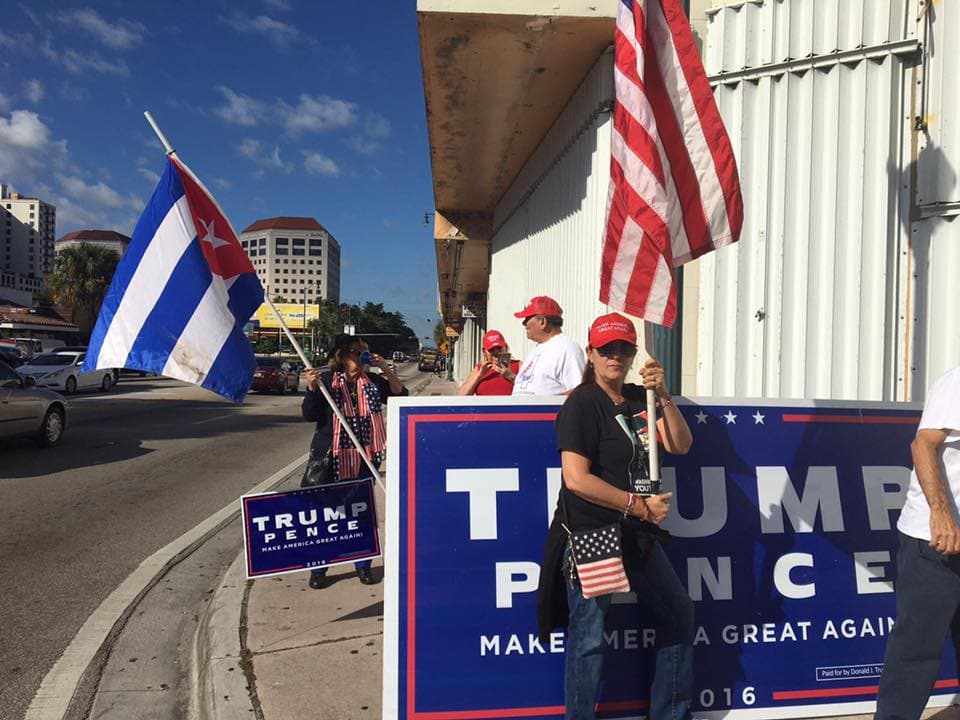
Washington’s leverage is real but narrow. A White House fact sheet dated June 30, 2025, said Trump strengthened U.S. policy toward Cuba, and later White House materials in 2026 described sanctions aimed at Cuban regime officials, repression on the island and threats to U.S. national security and foreign policy. The administration has also used secondary sanctions and other restrictions to try to block ways Cuba might evade pressure. The effect is to squeeze Havana’s access to fuel, hard currency and external support, especially after Trump restricted oil shipments, but it does not give Washington control over who leads the Communist Party.
That is why the risk cuts both ways. Heavy pressure can deepen shortages, weaken moderate voices and make a hard-line successor more attractive to a system built around control and survival. It can also intensify migration pressure toward the United States and complicate relations across the Caribbean and Latin America, where another downturn in Cuba would ripple beyond Havana’s ministries and party offices.
This article was produced by Prism’s automated news system from verified source data, official records, and press releases, then run through automated quality and moderation checks before publishing. The system is built and supervised by the people who set the standards it runs under. Read our full AI policy.
Did this article answer your question?