Met officer admits second murder victim could have been saved
A senior Met officer admitted Sheryl Wilkins could have been saved after monitored sex offender Simon Levy was convicted of killing two women.
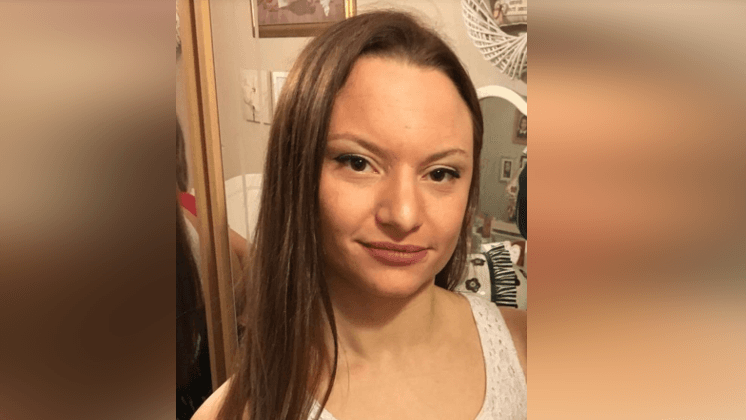
A senior Metropolitan Police officer has admitted that Sheryl Wilkins could have been saved after Simon Levy was convicted at the Old Bailey of murdering Wilkins and Carmenza Valencia-Trujillo and of raping a third woman. The verdicts, returned on 7 August 2026, put the focus squarely on how a man already being monitored by police was still able to move through London and attack again.
Levy, 40, of Beaufoy Road in Tottenham, was found guilty of two counts of murder, two counts of rape, grievous bodily harm and intentional strangulation. The Metropolitan Police said the convictions followed a complex investigation and that two officers are now under misconduct investigation, a sign that the failures in this case are not being treated as a single lapse but as a breakdown in oversight.
The most damaging question is why Levy remained at liberty after earlier police action. He was arrested in April 2025 in connection with the suspected murder of Carmenza Valencia-Trujillo, then later freed. Four months after that arrest, Sheryl Wilkins was reported missing in Tottenham in August 2025, and Levy was charged with her murder on 8 September 2025. The Met later charged him with murdering Valencia-Trujillo on 20 November 2025 after police were called to an incident in Walworth in March.
Those dates now frame a sequence of missed safeguards. The Telegraph said Levy’s risk level had been lowered because of his poor eyesight, a decision that now looks central to how a serial offender was assessed. The same reporting said Levy had searched the web for rape and murder stories and watched Andrew Tate videos, details that sharpen the picture of a man with a clear fixation on violence against women. The BBC said there were opportunities to save some of the victims from their fate, and that Levy had been under Metropolitan Police monitoring before the murders.
The Old Bailey also heard CCTV evidence about Levy’s movements, including that he followed one victim off a bus before the fatal attack. Reuters said the convictions have prompted questions for police and prosecutors, while the wider case has exposed how information-sharing, risk assessment and intervention failed to contain a known offender. What remains under scrutiny now is not only Levy’s violence, but the chain of decisions that left him free long enough to kill twice.
This article was produced by Prism’s automated news system from verified source data, official records, and press releases, then run through automated quality and moderation checks before publishing. The system is built and supervised by the people who set the standards it runs under. Read our full AI policy.
Did this article answer your question?