Healthy aging hinges on basics as longevity market surges
The biggest longevity gains still come from ordinary habits, even as the market sells costly shortcuts. New data show the U.S. is living longer, but wealth, care access, and policy still shape who benefits.

The basics still do most of the heavy lifting
The longevity boom has turned healthy aging into a marketplace, but the public health message is far less glamorous. Exercise, a healthy diet, regular medical care, enough sleep, limiting alcohol, and protecting mental health remain the strongest evidence-backed habits for aging well. The National Institute on Aging says genetics matter too, but many of the most important levers are still within reach.
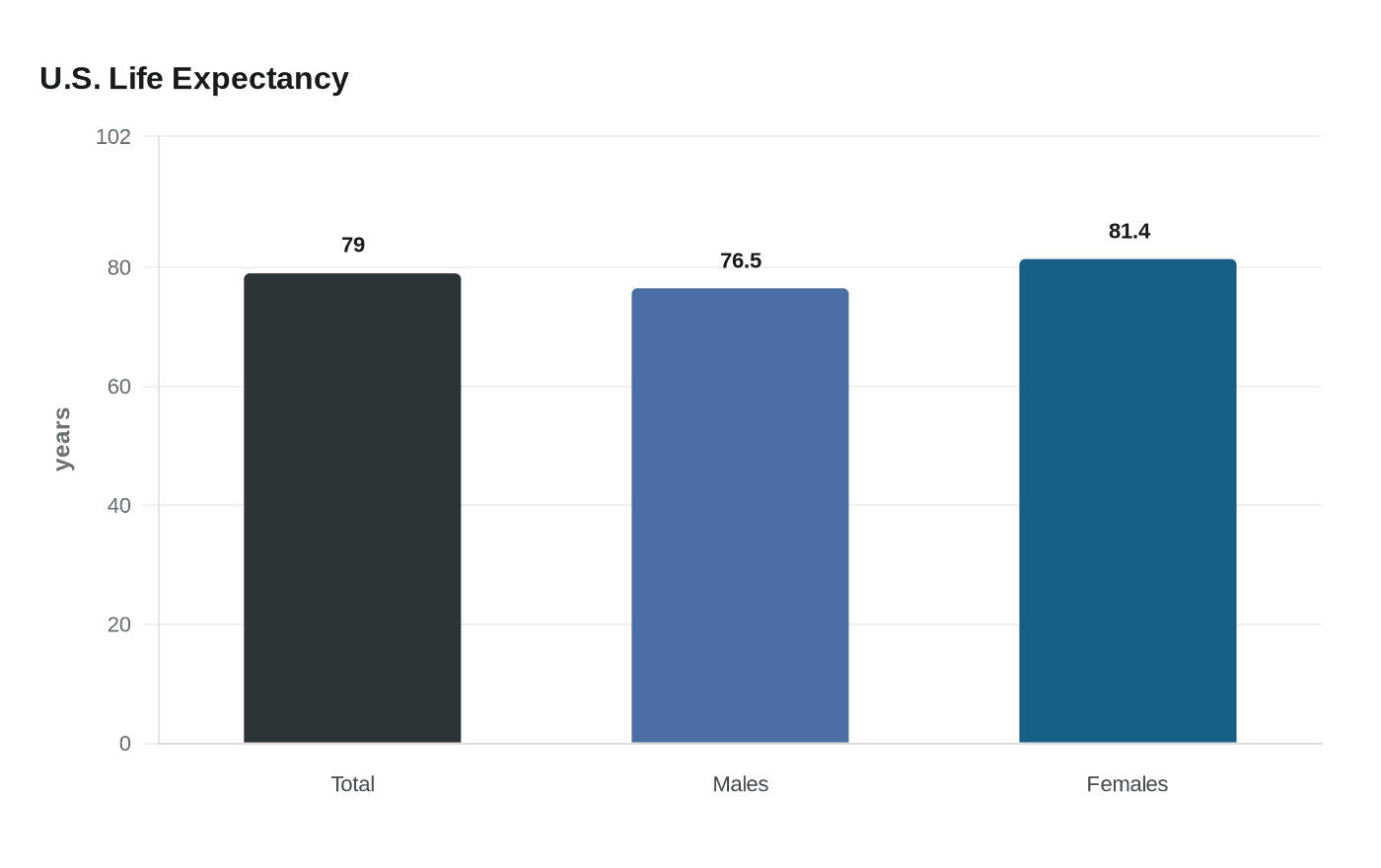
That reality check matters because Americans are living longer again, even if the gains are uneven. U.S. life expectancy at birth reached 79.0 years in 2024, the highest level ever recorded by the Centers for Disease Control and Prevention, with males at 76.5 years and females at 81.4 years. The rebound is encouraging, but it does not change the core lesson: the habits that most improve health span are still the plain ones, not the flashy ones.
Healthy aging is now a policy issue, not just a personal project
The World Health Organization’s Decade of Healthy Ageing, running from 2021 to 2030, reflects a broader shift in how governments and public health systems are thinking about aging. The effort focuses on changing attitudes toward aging, building age-friendly communities, delivering integrated care, and improving long-term care. That framing is important because healthy aging does not happen in isolation; it depends on housing, transit, caregiving, clinic access, and social support.
What the policy lens changes
If aging is treated only as an individual wellness goal, the burden falls on people to buy their way toward better health. If it is treated as a public health priority, the focus shifts toward the systems that make healthy choices possible in the first place. That distinction is central to social equity, because the ability to exercise safely, see a doctor regularly, afford nutritious food, and manage chronic stress is not shared evenly across communities.
Longevity gains are not distributed evenly
A 2024 JAMA Internal Medicine study examined wealth and longevity among U.S. adults age 50 and older using data from the Health and Retirement Study. Its conclusion was blunt: U.S. wealth inequality is associated with significant inequities in survival. The study also estimated that reducing inequality could improve population longevity, underscoring that lifespan is not shaped only by personal discipline.
That finding helps explain why the United States can post a record life expectancy and still lag behind other wealthy countries, including Japan. Average national progress can hide who is still dying earlier, who is skipping preventive care, and who is trying to manage aging with fewer resources. In other words, the longest lives are not just a matter of better choices; they are also a matter of power, money, and access.
The supplement market is thriving, but evidence is narrower than the marketing
The healthy-aging category is growing faster than the broader supplement industry, which is one reason longevity has become such a strong wellness theme. According to the 2024 Nutrition Business Journal Longevity Report, healthy-aging sales rose 5.5% in 2023, compared with 4.4% growth for the overall supplement industry. Industry reporting says healthy-aging supplement sales have outpaced the broader market since 2022.
Herbal and dietary supplements are part of that expansion. Total retail sales of herbal dietary supplements in the United States reached an estimated $13.231 billion in 2024, a 5.4% increase over 2023. Those numbers show real consumer demand, but they do not prove that buying more products produces longer life. The strongest evidence still points back to basic behaviors and routine medical care.
Where the money often goes
Much of the longevity marketplace sells convenience, exclusivity, or reassurance. Some products may fit into a healthy routine, but expensive packaging and premium branding can create the illusion of medical certainty where none exists. That is where consumer-service journalism has to be honest: the question is not whether the market is large, but whether the spend is truly improving outcomes.
Where extra spending can help, and where it usually does not
There are places where paying more can make healthy aging easier. A gym membership may help if it removes a barrier to regular movement. Better food delivery, safer housing, hearing support, transportation, or access to regular primary care can all support healthier aging because they reduce friction in daily life. In those cases, the money is buying access, consistency, or time, not magic.
What usually does not merit a premium is the promise that a supplement, device, or branded protocol will compensate for poor sleep, inactivity, social isolation, untreated depression, or inconsistent care. The National Institute on Aging’s guidance makes the hierarchy clear: exercise, diet, regular doctor visits, sleep, limiting alcohol, and mental health care are within reach and matter most. Anything that pushes those habits into the background should be treated skeptically.
A practical spending test
- Move more consistently
- Eat better regularly
- Sleep enough
- See a clinician when needed
- Drink less alcohol
- Reduce stress and protect mental health
Before paying for a longevity product or service, ask whether it helps you do one of these things:
If the answer is no, the purchase may be more lifestyle branding than health strategy.
What public health experts want people to prioritize first
The clearest roadmap is also the least glamorous. Start with the habits most likely to move the needle: regular physical activity, a nutrient-rich diet, preventive care, sufficient sleep, moderated alcohol use, and attention to mental health. Those are the foundations that public health agencies keep returning to because they work across a wide range of ages and risk levels.
Then look at the conditions around those habits. Can you afford nutritious food? Do you have a safe place to walk? Can you get an appointment when symptoms appear? Are you able to manage stress without burning out? Healthy aging is not only about adding years, but about making sure those years are functional, connected, and dignified.
The longevity market will keep growing because people want control over aging. But the most durable return on investment still comes from what science has said for years: the basics are not basic because they are easy. They are basic because they are the foundation everything else rests on.
This article was produced by Prism’s automated news system from verified source data, official records, and press releases, then run through automated quality and moderation checks before publishing. The system is built and supervised by the people who set the standards it runs under. Read our full AI policy.
Did this article answer your question?