House passes sweeping housing bill to ease affordability crisis
The House sent a $housing overhaul back to the Senate after stripping a forced-sale rule, betting faster construction will ease costs for renters and buyers.
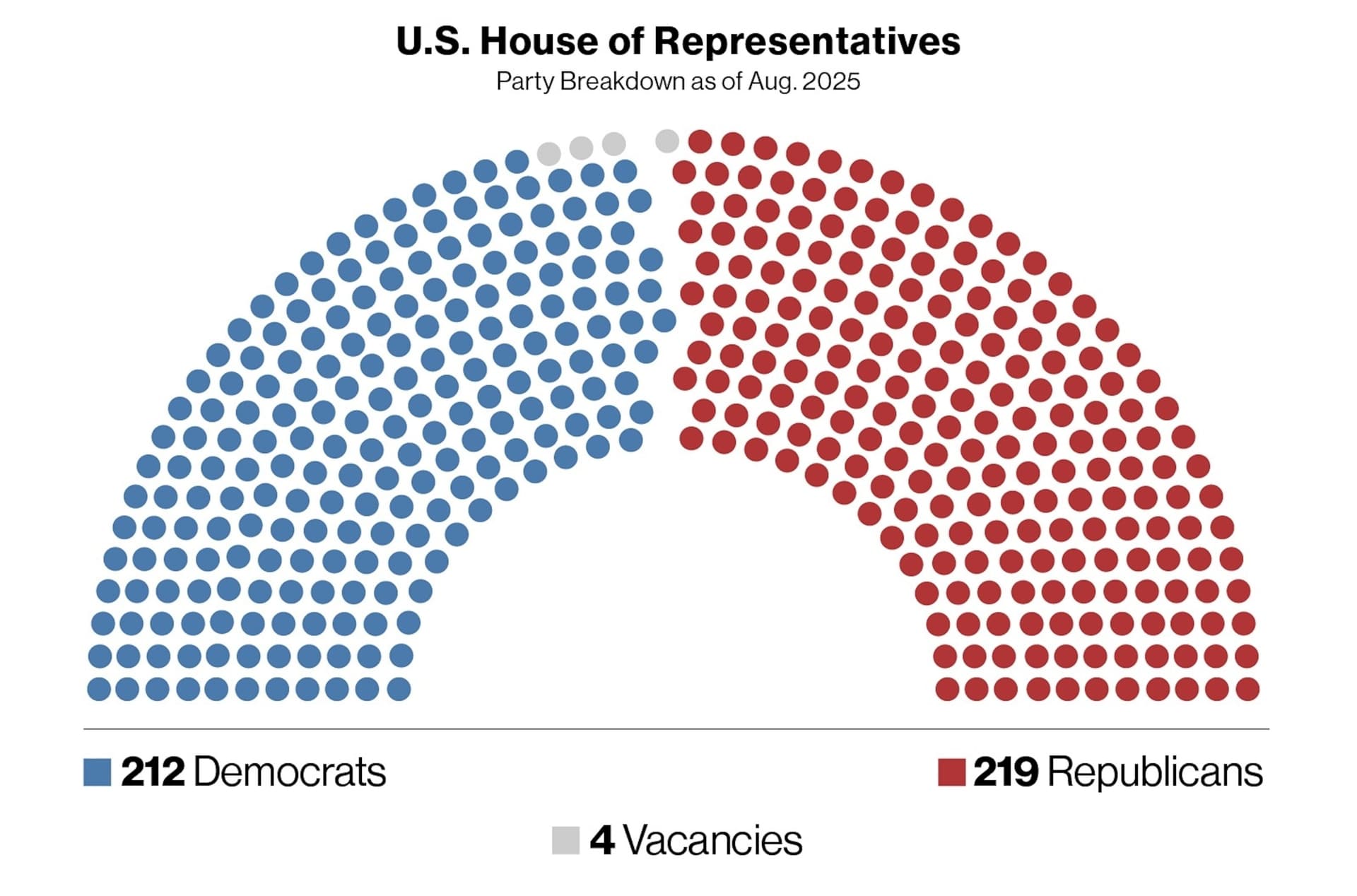
The House passed a broad housing package designed to do one thing its backers say Washington has failed to do for years: add enough homes to bring prices down. Supporters cast the bill as a supply-side answer to an affordability crisis hitting first-time buyers, renters, seniors and families, but the relief it promises would depend on whether the Senate accepts the compromise and how quickly new construction follows.
The amended measure passed 396-13 and returned to the Senate after lawmakers removed a contentious provision that would have forced some build-to-rent homes owned by large investors to be sold after seven years. The White House backed the revised bill before the vote, helping clear the way for a bipartisan result after months of stalls over investor restrictions and related provisions. Even with the compromise, the bill still limits institutional investors from buying single-family homes, while also preserving a five-year ban on the Federal Reserve issuing a digital dollar.
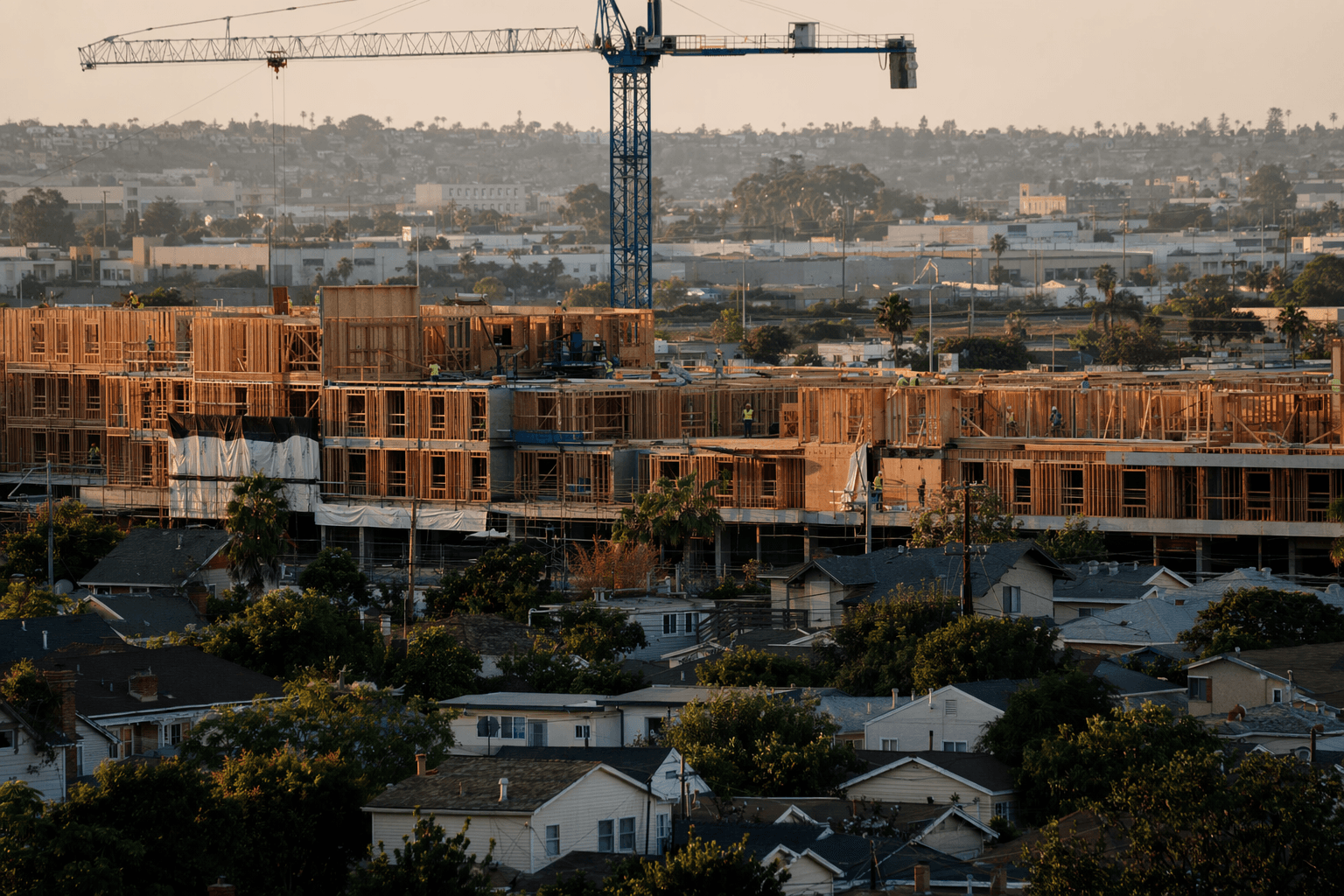
At its core, the Housing for the 21st Century Act is a six-title, 38-section rewrite meant to make it easier to build and afford housing by modernizing outdated programs, stripping away some federal requirements and giving local governments more flexibility. The package also adds a new Title VI focused on strengthening community banks’ role in housing finance, a nod to the smaller lenders and local markets lawmakers say are often left out of the national debate.
The legislative path has been strikingly bipartisan. The House first approved the original bill on February 9 by 390-9, and the Senate later passed H.R. 6644 on March 12 by 89-10. Those margins reflected broad agreement on the need to act, even as Republicans and Democrats fought over how far to go in restricting investors and how to balance housing production against market intervention. In Washington terms, the fight was not over whether affordability mattered, but over who should bear the cost of fixing it.

The politics remain unresolved. The bill drew backing from the rental, construction and housing industries once the forced-sale language was dropped, but some senators still opposed the revised version and warned it may not clear the chamber before final enactment. For now, the House has made its bet clear: more supply, fewer obstacles and a faster path to new homes are the closest thing Congress has offered to a tangible affordability plan.
Know something we missed? Have a correction or additional information?
Submit a Tip