How Agencies Manage Branding, Operations, and Client Success with White-Label SEO
Most white-label SEO programs fail not from bad SEO work, but from broken branding and communication gaps that expose the third-party relationship to clients.

White-label SEO programs succeed or fail on operational discipline, not just SEO quality. The agencies that scale this model reliably share one trait: they treat the white-label provider as a silent back-end team, while owning every client-facing touchpoint completely.
What White-Label SEO Actually Involves
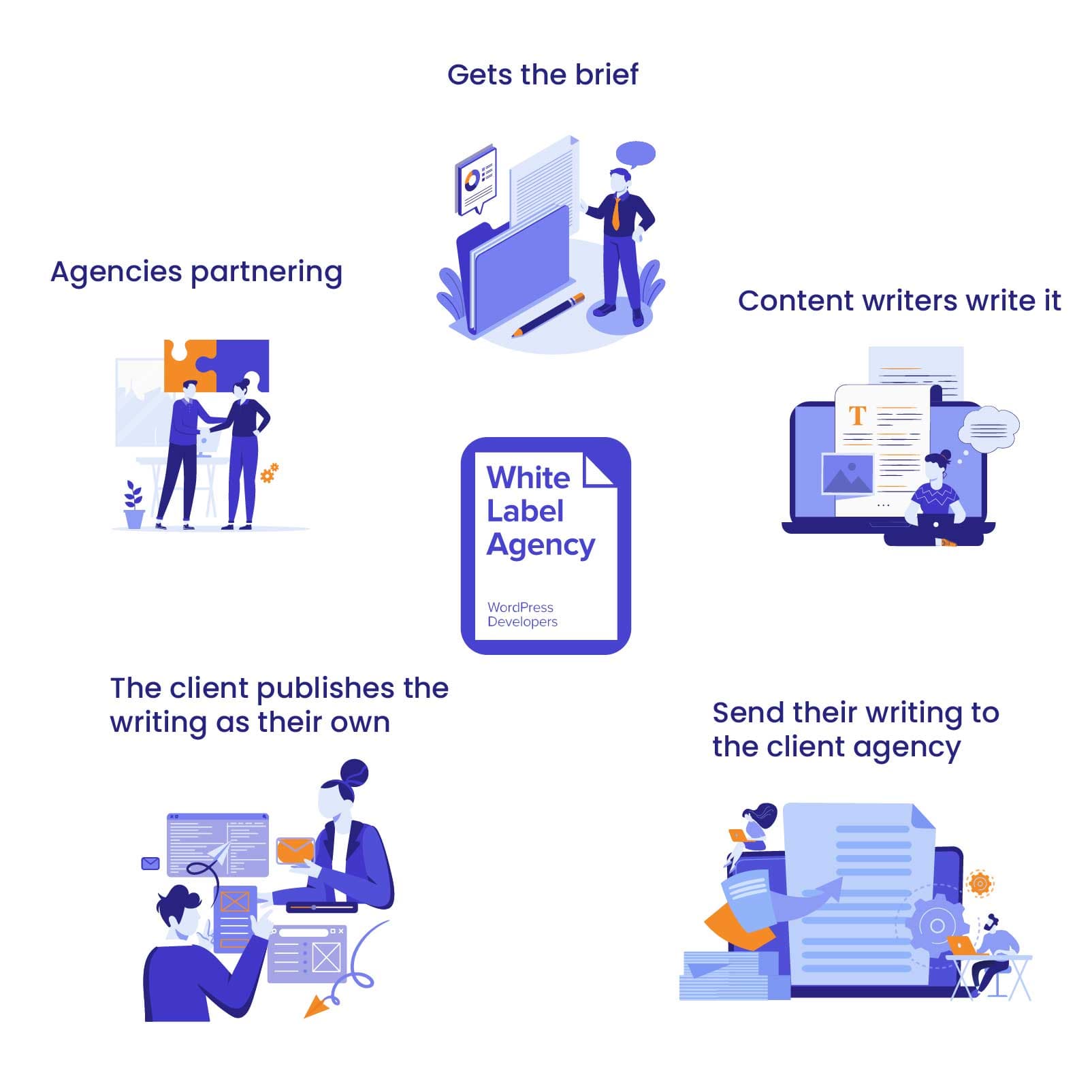
White-label SEO is a business arrangement where a specialist provider performs SEO work that a reselling agency presents to its clients under the agency's own branding. The end client interacts only with the agency. Reports carry the agency's logo. Email communication comes from the agency's domain. In most well-structured partnerships, the client never knows a third party is involved.
The term comes from the consumer goods industry, where manufacturers produce unbranded products that retailers label as their own. In the SEO context, the provider acts as a member of your team, using your branding instead of theirs. Services typically bundled into white-label packages include keyword research, on-page optimization, content creation, backlink building, and analytical reporting.
Setting Up Your Reseller Program
Getting a white-label program operational requires four concrete steps, executed in sequence.
1. Choose your service scope. Decide which SEO services you'll offer before approaching any provider.
The clearest programs resell defined packages covering technical audits, on-page optimization, link building, and monthly reporting. Scope creep later is harder to manage than tight scoping upfront.
2. Vet and select your provider. Established providers like Boostability, DashClicks, SEOReseller (a certified Semrush Agency Partner and Google Partner), and The HOTH each operate differently.
SEOReseller, for instance, structures its packages around monthly hours of work from a dedicated team of digital marketers, writers, editors, and webmasters. DashClicks offers a full-stack fulfillment platform with built-in reporting infrastructure. Understand what's included at each tier before committing.
3. Rebrand all deliverables. Once you've selected services, apply your agency's logo, name, color palette, and domain to every client-facing asset.
Reports, dashboards, onboarding documents, and email templates should carry your brand exclusively. Clients should never encounter a provider's name, logo, or domain anywhere in the workflow.
4. Define the client relationship boundary. You own the client relationship completely.
That means you handle contracts, invoicing, expectation setting, and all direct communication. Your provider handles execution. That boundary, kept clean, is what makes the model work at scale.
Branding and White-Labeling Best Practices
The operational goal is full brand immersion: every touchpoint a client encounters should look and feel like it came from your agency internally. This means more than swapping logos on PDF reports.
Set up a branded agency subdomain for client dashboards. Providers like WhiteLabelSEO.ai (plans from $199.99/month) and Vendasta offer client portal infrastructure that can be configured under your domain, so clients log into your branded environment rather than a third-party platform. When clients access performance data, they see your brand, not the fulfillment layer.
Email communication should originate from your domain. If your provider sends any automated reporting emails, those should be routed through or replaced by communications from your agency's address. A single third-party-branded email reaching a client undermines months of brand-building.
Client Communication Protocols
Communication protocols are where most white-label programs break down. The fix is systematizing every client interaction so nothing falls through the gap between you and your provider.
Build a communication calendar tied to your fulfillment cycle:
- Month start: Send a brief overview of the work planned for that month, framed in plain language, not SEO jargon.
- Mid-month check-in: A short email or call addressing any questions, especially for new clients in the first 90 days.
- Month end: Deliver the branded performance report with a narrative summary, not just data.
Onboarding is where expectations are set permanently. Keyword.com's guidance on white-label local SEO recommends providing partner agencies with onboarding checklists, templates, and documents that help clients understand the scope of work, set expectations, and answer common questions. Apply the same logic internally: give clients a structured onboarding packet that defines what you're doing, what they'll see each month, and what realistic outcomes look like over six months.
Reporting and Transparency Framework
Reporting is the primary evidence of value your clients receive each month. It needs to be consistent, branded, and interpretable by a non-technical audience.
A solid monthly report should include:
- Keyword rankings: Movement on target terms, with month-over-month comparison.
- Organic traffic: Sessions and trends from Google Analytics 4 or Search Console data.
- Backlink profile: New links acquired, domain authority trends, and any disavow actions taken.
- On-page activity: What was updated or created that month, tied to specific URLs.
- Next month's action items: What the program will focus on next, written in plain terms.
The narrative layer matters as much as the data. Raw ranking tables mean little to most clients. A two-paragraph summary explaining what moved, why, and what's next converts a data dump into a business update. That summary should come from you, not be auto-generated verbatim from your provider's system.
Transparency within the program doesn't mean exposing your provider. It means being honest with clients about timelines and what SEO can and can't do. Agencies that overpromise rankings in month two create churn problems in month four.
Common Pitfalls and How to Avoid Them
Exposing the provider. The most operationally damaging mistake is a client discovering the third-party relationship through a mis-branded report, a CC'd provider email, or an auto-generated platform notification. Audit every deliverable before it reaches the client. Run a "client-facing test" on any new report template or dashboard before rollout.
Unclear scope agreements. White-label packages have limits. If a client requests something outside the agreed scope, that request needs to go through a change order process, not get absorbed informally. Define what's included in writing, and charge accordingly for additions.
Overpromising timelines. SEO results on new or competitive domains typically take three to six months to materialize meaningfully. Agencies that pitch month-one rankings to close deals manufacture their own churn problem. Set the six-month expectation in the first meeting, put it in the onboarding document, and reinforce it at every monthly report.
Neglecting the relationship between reports. Monthly reports are not enough communication on their own. Clients who only hear from you when the PDF arrives disengage. A brief mid-month check-in, even a two-line email asking if they have questions, keeps the relationship active and catches concerns before they become cancellations.
Choosing a provider on price alone. The lowest-cost fulfillment option often lacks the reporting infrastructure, communication templates, and account management support that make white-label programs operationally sustainable. Evaluate providers like Boostability, DashClicks, SEOReseller, and others on deliverable quality, reporting tools, and turnaround reliability, not just margin math.
Agencies that run tight white-label programs treat operational discipline as the product, not a background function. The SEO work is the fulfillment; the communication, branding, and reporting framework are what clients actually buy.
Frequently Asked Questions
How do white-label SEO resellers handle branding and client communication?
White-label SEO resellers rebrand all provider deliverables with their own agency's logo, name, and domain before anything reaches the client. Reports, dashboards, and onboarding documents carry the reseller's branding exclusively. Client communication is managed entirely by the reselling agency, which handles contracts, check-ins, and monthly reporting. Providers such as Vendasta and WhiteLabelSEO.ai offer branded client portal infrastructure that can be configured under the reseller's own subdomain.
What reporting should a white-label SEO provider offer?
A reliable white-label SEO provider should deliver monthly branded reports covering keyword ranking movement, organic traffic trends from Google Search Console or Google Analytics 4, backlink acquisition data, on-page changes made that month, and a forward-looking action plan for the next cycle. Providers like SEOReseller and DashClicks include reporting tools within their platforms. The reselling agency should add a plain-language narrative summary before sending reports to clients.
How do I manage client expectations with white-label SEO?
Set realistic timelines from the first meeting: meaningful SEO results on competitive or new domains typically require three to six months. Document this expectation in the onboarding packet so clients have it in writing. Schedule regular check-ins, including a mid-month touchpoint beyond the monthly report, to address questions early. Agencies that front-load expectation setting in the onboarding process see significantly better client retention through the slow early months of an SEO campaign.
Know something we missed? Have a correction or additional information?
Submit a Tip