How Booking.com and airlines are using AI to improve travel
AI is making booking and baggage tracking faster, but it may also make pricing and trip choices less transparent. The biggest gains will go to travelers only if the tools stay explainable.
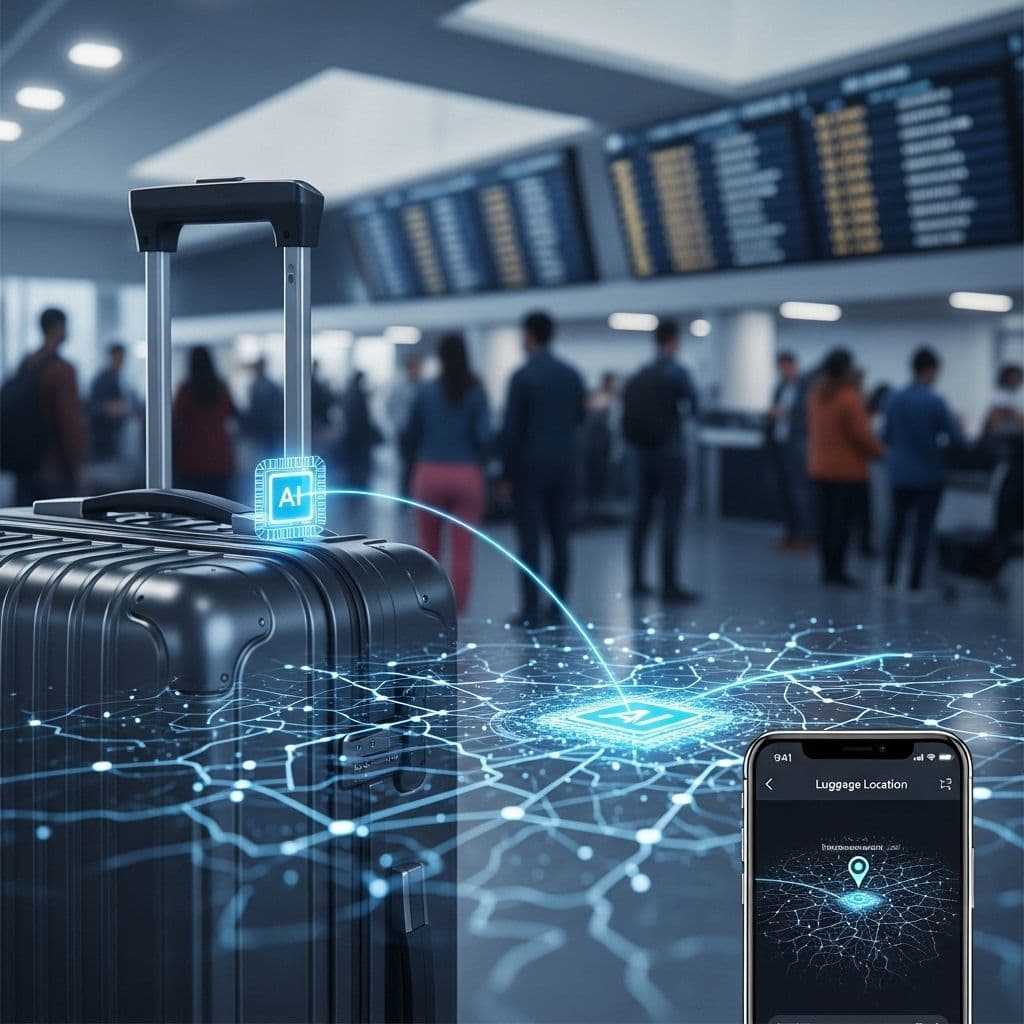
AI has moved from a back-office experiment to a visible part of the travel experience. Booking.com is using it to help people search, compare, and book faster, while airlines are pushing it into pricing, operations, and the long-festering problem of mishandled bags.
The shift matters because travel is one of the most friction-filled consumer purchases. It is also one of the easiest places for automation to improve convenience, or to hide complexity. The key question is not whether AI will change travel, but whether it will make the process simpler for travelers or merely more efficient for the companies selling to them.
Booking starts with better search, not just more search
Booking.com has spent more than a decade embedding AI into its services, but the company widened that toolkit on October 30, 2024 with features designed to reduce the time between inspiration and purchase. Smart Filter, Property Q&A, Review Summaries, and the AI Trip Planner are meant to let travelers search in natural language, compare properties more easily, and make quicker booking decisions.
That is a meaningful consumer shift. Instead of forcing travelers to translate vague preferences into a rigid filter set, AI can interpret a request like “quiet hotel near museums with good breakfast” and turn it into options that are easier to compare. In practice, that can shorten the booking funnel and reduce decision fatigue, especially for travelers sorting through dozens or hundreds of listings.
But the same tools can also shape what people see first. When an AI system sorts, summarizes, and recommends, it is not neutral in the way a simple search page is neutral. It can improve usability, but it can also nudge attention toward the options that the platform wants to surface most aggressively.
What travelers already ask AI to do
Booking.com’s Global AI Sentiment Report, released on July 23, 2025, gives a clear picture of how people are using these tools. Based on insights from more than 37,000 consumers across 33 markets, the report found that travelers most often use AI to research destinations and the best time to visit, find local experiences or cultural activities, and get restaurant recommendations.
That usage pattern says a lot about consumer behavior. Travelers are not handing over the whole trip to AI; they are using it for the parts that feel exploratory and information-heavy. AI is best positioned as a research assistant at this stage, helping users narrow choices before they commit to a booking or itinerary.
The appeal is obvious. Destination research and activity planning can consume hours, and travelers increasingly want suggestions that feel local, practical, and personalized. AI can compress that search time dramatically, which is why Booking.com says 89% of consumers want to use AI in future travel planning.
Trust is still the bottleneck
For all the enthusiasm, confidence in AI remains shallow. Booking.com found that only 6% of consumers fully trust AI, while 91% have at least one concern about its implications. That gap between interest and trust is the central tension in travel AI.
Consumers are effectively saying they want the convenience, but they do not yet want to surrender judgment. They may like AI-generated suggestions for where to eat in Reykjavík or what cultural activities to do in Nairobi, but they still want to know why those recommendations appeared, whether the information is current, and whether the system is steering them toward a paid placement or a higher-margin option.
That hesitation is rational. Travel is expensive, time-sensitive, and often irreversible once booked. A misleading recommendation in travel is not just annoying, it can mean missed connections, wasted nights, or inflated costs.
Airlines are applying AI where the economics are strongest
In the airline sector, the business case for AI extends beyond the customer interface. The International Air Transport Association says AI can help airlines optimize pricing strategies, predict and prevent maintenance issues, and improve flight operations and customer experience.
Each of those uses carries clear economic value. Pricing tools can help carriers react faster to demand shifts and fill seats more efficiently. Predictive maintenance can reduce unscheduled repairs and limit costly aircraft downtime. Operational AI can improve turnarounds, crew coordination, and irregular-operations handling, all of which matter when delays start cascading through a network.
For passengers, the upside is straightforward when AI is used well: fewer disruptions, faster recovery when something goes wrong, and better communication during delays. The risk is that the same systems may become less transparent as they optimize revenue and operations behind the scenes. A price that changes rapidly can be smarter for the airline and harder for the traveler to understand.
Baggage is the clearest test of whether AI actually helps
Few parts of air travel frustrate consumers more than lost or delayed luggage, and the industry’s numbers show why this remains such a powerful test case. IATA says airlines mishandled 6.3 bags per 1,000 passengers in 2024, equal to about 33.4 million mishandled bags. The group estimates that mishandled baggage costs airlines about $5 billion annually.
Those losses are not just financial. They damage trust, trigger service calls, and turn a routine trip into a customer-service problem that can last for days. In other words, baggage is exactly the kind of operational pain point where AI and automation should prove their worth, because travelers care less about the technology than about whether the bag arrives.
IATA’s response has been to push tracking standards and a longer modernization plan. Resolution 753 requires member airlines to track baggage at a minimum of four core tracking points. On May 14, 2025, IATA launched a 10-year Global Baggage Roadmap focused on better tracking and real-time updates. The roadmap aligns with traveler demand, since IATA says 81% of travelers want better tracking, 74% expect real-time mobile updates, and 67% are willing to switch to electronic bag tags.
That is where AI can become tangible rather than abstract. If automation can connect baggage scans, mobile alerts, and operational systems more reliably, travelers get fewer surprises and faster recovery when something goes wrong. If it cannot, the promise of smarter travel will remain mostly confined to the booking screen.
What to watch for as AI becomes the new travel layer
The best travel AI will be the kind that reduces work without reducing clarity. It should help compare options, explain recommendations, and surface live operational information when plans break.
Look for three signs that the system is serving travelers well:
- It explains why a hotel, fare, or restaurant appears in front of you.
- It gives you control over filters, preferences, and overrides instead of locking you into a black box.
- It improves disruption management with real-time baggage, flight, and service updates rather than only improving sales conversion.
The next phase of travel AI will be judged less by how clever it sounds than by how reliably it solves old problems. Booking and airlines can use it to save time, cut costs, and improve service, but travelers will only feel the benefit if the technology makes the journey more understandable, not just more automated.
This article was produced by Prism’s automated news system from verified source data, official records, and press releases, then run through automated quality and moderation checks before publishing. The system is built and supervised by the people who set the standards it runs under. Read our full AI policy.
Did this article answer your question?