How to fight a wrongful bank account freeze by debt collectors
A mistaken levy can lock out rent money, payroll or benefits in hours. Federal law gives you ways to dispute it, but the first 24 hours matter most.

A wrongful bank account freeze can turn a paperwork error into an immediate cash crisis. If the account held rent, payroll, medication money or child-care payments, the freeze can hit before anyone has time to sort out whether the levy reached the right person or the right funds.
Why a bad freeze happens
Debt collectors do not get to raid a bank account on a whim. In general, a collector must sue and obtain a court order before taking money from an account, and the bank may be required to act on the levy order before it has fully verified every detail. That creates a dangerous gap: money can be frozen first, while the account holder is still proving the account was targeted wrongly.
That risk is not abstract. The Consumer Financial Protection Bureau has said more than 70 million Americans, about one-third of consumers, were contacted by a creditor or debt collector about a debt in the previous 12 months. In a market that large, even a rare mistake can affect a lot of people, especially when a frozen account is the one used for daily life.
What protections already exist
Federal law does offer real safeguards. Under Treasury’s garnishment-protection rules in 31 CFR Part 212, certain federal benefit payments deposited in bank accounts are protected, including Social Security and VA benefits. Those rules include model notices and lookback, protected-amount procedures designed to keep banks from sweeping money that should stay available to the account holder.
The Federal Trade Commission also makes clear that debt collectors have to identify the debt and the original creditor, and consumers have the right to dispute debts they believe are not theirs. That matters in a mistaken freeze, because the first question is often whether the debt is valid at all, and the second is whether the funds in the account were exempt or belonged to the wrong person.
What to do in the first 24 hours
Act fast. The longer the freeze sits, the more likely it is to disrupt automatic payments, overdrafts, late fees and missed obligations that ripple into other parts of your budget.
Start by getting the basic paperwork. Ask the bank for the levy information and the collector’s identity, then ask the collector what debt it is trying to collect and who the original creditor is. The FTC says you have the right to that information, and you also have the right to challenge a debt you do not believe is yours.
Next, check whether the account contains protected federal benefits. If Social Security, VA or other protected federal payments were deposited there, flag that immediately and point to the protections in 31 CFR Part 212. If the wrong account was frozen, or if only part of the account should have been reachable, the bank and the court need to know that right away.
Then dispute the levy or garnishment as quickly as possible. Depending on where the error sits, that may mean filing in court, contacting the bank’s levy department, or using a complaint process that can get the issue in front of the collector. The CFPB says consumers can submit debt collection complaints that are generally forwarded to the company and worked within about 15 days, which can be a useful pressure point while you pursue the freeze itself.
How to build your challenge
A strong challenge is specific. If you are claiming exempt funds, identify the source of the deposits, the dates the payments arrived and why the money is protected. If you are arguing the account was not yours or the debt was not yours, show why the collector matched the wrong person, wrong account or wrong obligation.
Keep the focus on the freeze’s immediate harm. If rent is due, payroll will miss, or medication or child-care bills will bounce, say so in writing. Banks and courts are more likely to move quickly when the consumer can show that the wrong freeze is not just a technical problem but a live household emergency.
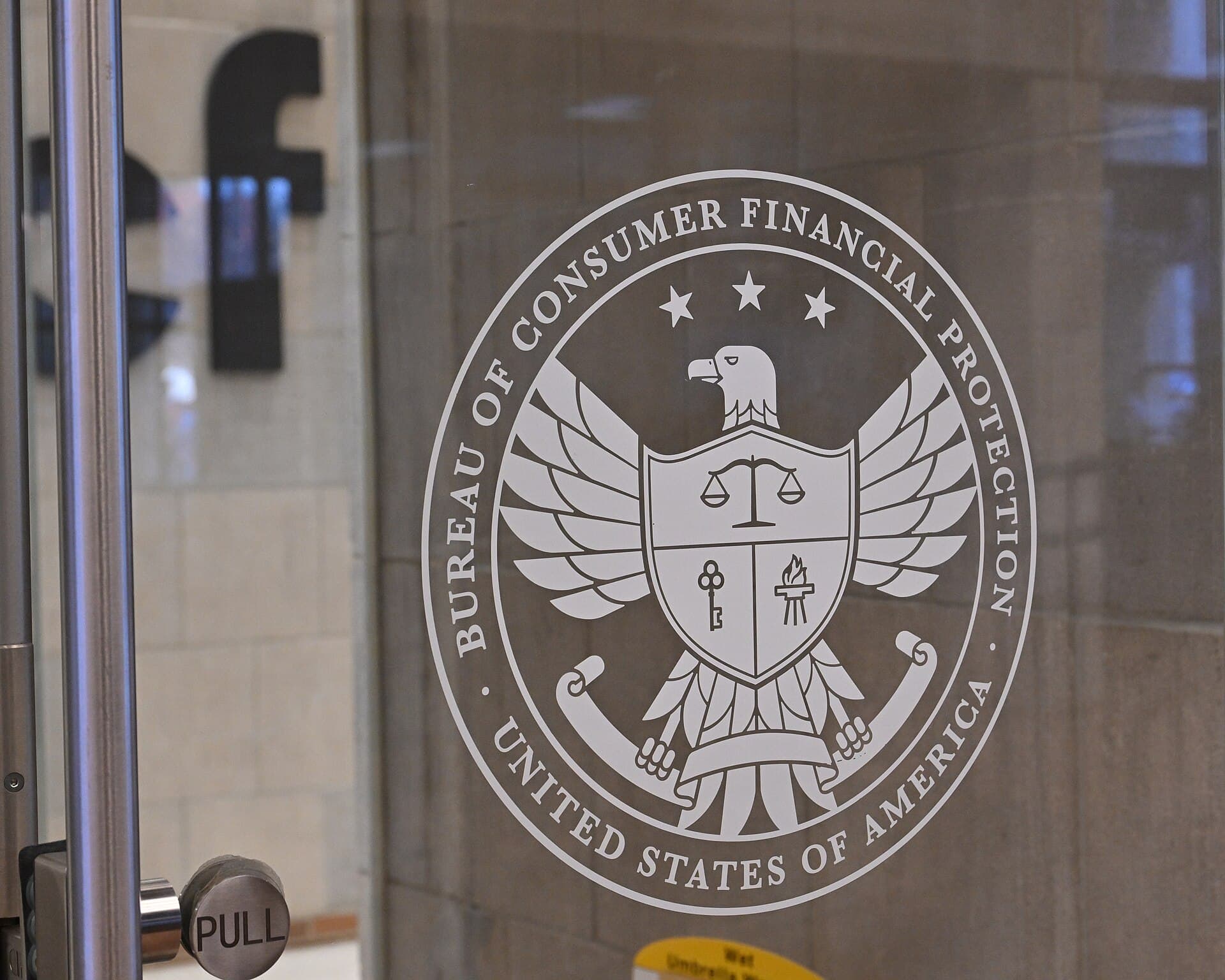
What the agencies can and cannot do
The CFPB complaint system is not a magic wand, but it is built to push the issue back to the company for a response. That can help when a collector is slow to correct an obvious error or when the bank needs confirmation that protected funds were mishandled.
The FTC’s consumer guidance adds another layer of protection: collectors cannot harass or deceive, and they must be able to identify the debt they are trying to collect. If they cannot do that clearly, the account holder has another reason to keep disputing the freeze rather than accepting the collector’s version of events.
Why speed matters for ordinary households
A frozen account can break a family’s finances in ways that do not show up on a balance sheet. A missed rent payment can trigger fees or an eviction threat; a payroll interruption can affect work; a blocked pharmacy payment can delay treatment; and a missed child-care bill can put a job at risk.
That is why wrongful freezes are more than nuisance errors. Even though they are relatively rare, the scale of debt collection in the United States means the consequences can spread fast when a bank acts before every detail is verified. The practical answer is to move immediately, assert the protections you have, and force the collector and bank to prove they reached the right money, in the right account, for the right debt.
This article was produced by Prism’s automated news system from verified source data, official records, and press releases, then run through automated quality and moderation checks before publishing. The system is built and supervised by the people who set the standards it runs under. Read our full AI policy.
Know something we missed? Have a correction or additional information?
Submit a Tip