Starbucks Korea shuts stores for training after offensive promo backlash
A tumbler tied to the Gwangju uprising backlash pushed Starbucks Korea into a nationwide shutdown for history and sensitivity training, with sales hit described as "very significant."

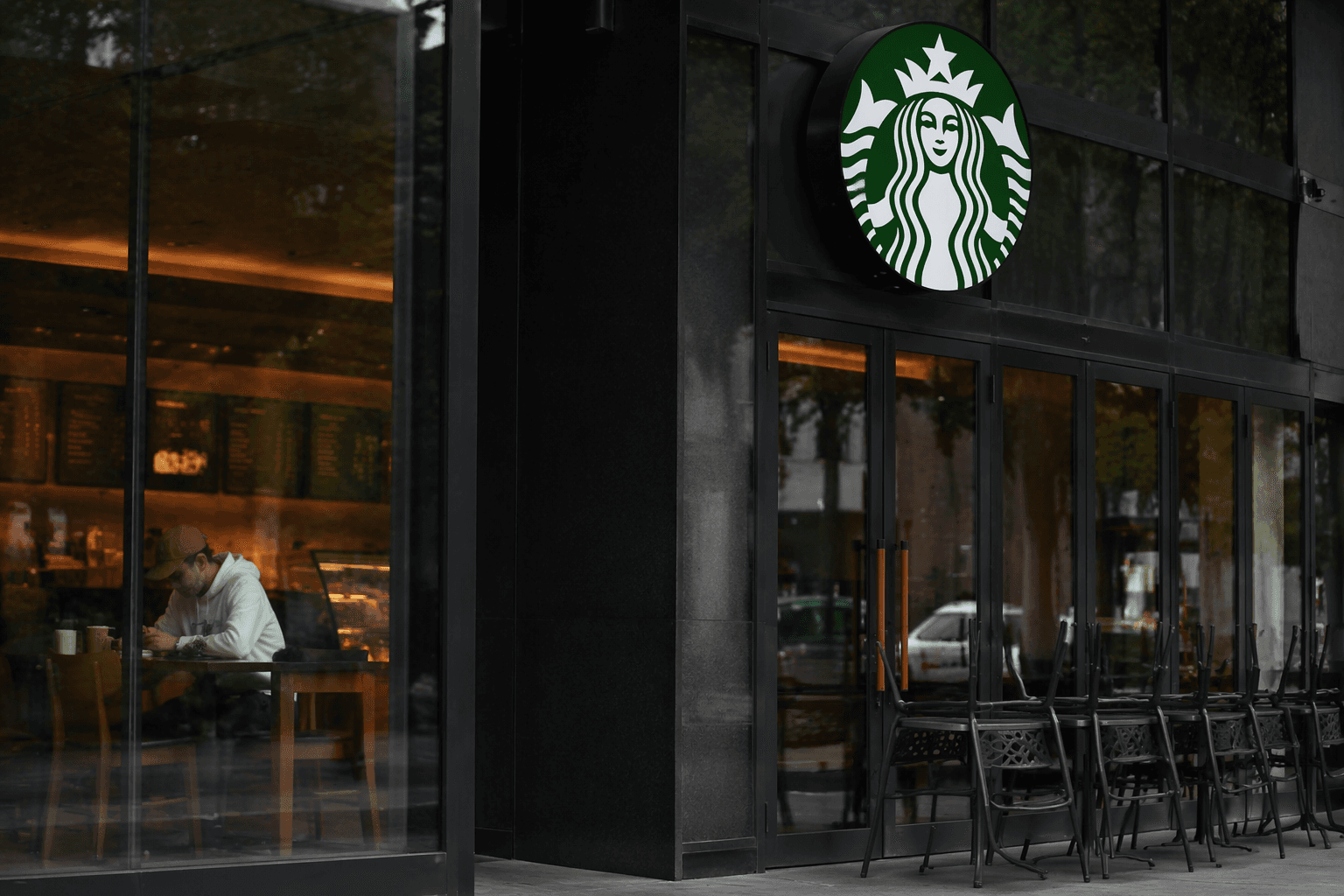
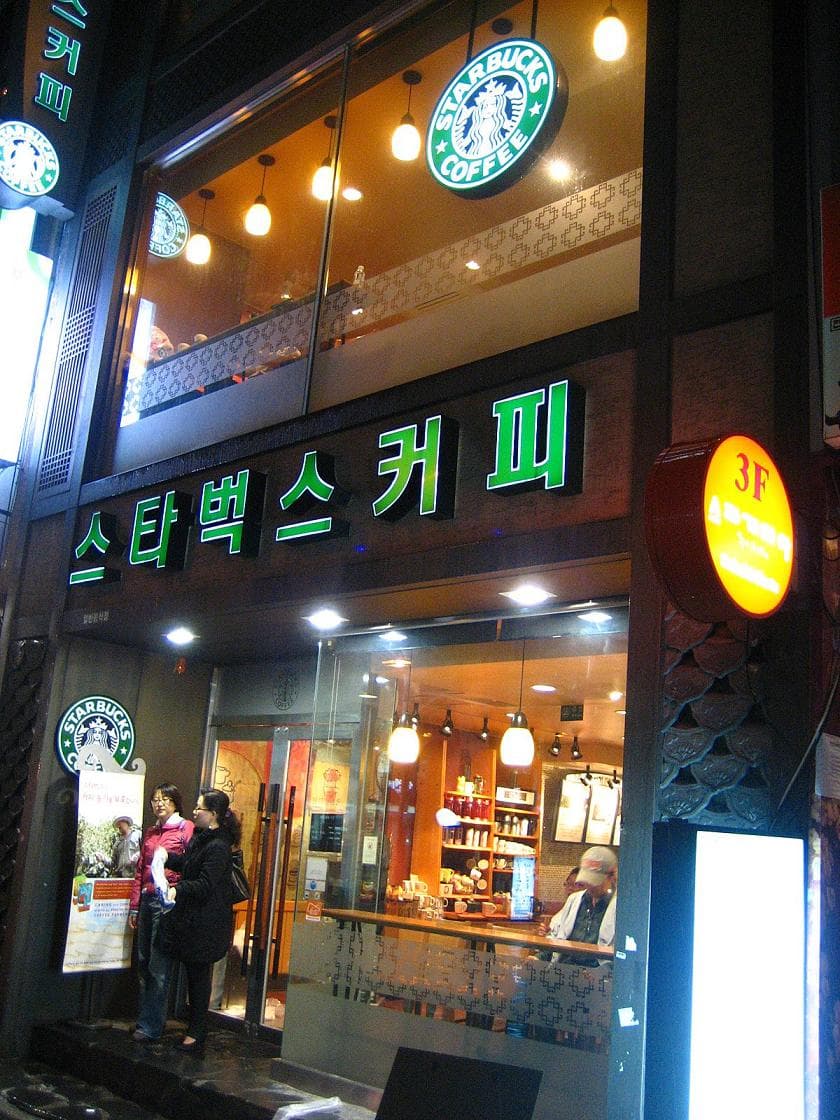
Starbucks Korea said it will close all of its stores at 3 p.m. on June 22 so employees can attend training on historical awareness and social sensitivity, after a promotional campaign drew furious criticism and triggered a steep sales decline. The move is the first nationwide early closure since Starbucks opened in South Korea in 1999, a sign of how seriously the company is treating a backlash that spread far beyond a single product launch.
The controversy centered on a "Tank Day" tumbler promotion released on the anniversary of the May 18 Gwangju Uprising, when South Korea's military government deployed troops and tanks to crush pro-democracy demonstrations in 1980. For many Koreans, the timing was deeply offensive. Shinsegae Group, which controls Starbucks Korea through its E-Mart affiliate, said the episode caused a "very significant" fall in sales, turning a marketing decision into a reputational and financial problem.
The response will reach well beyond store workers. Headquarters staff and executives from Shinsegae's E-Mart division are scheduled to undergo the same training program on June 17, while Shinsegae chairman Chung Yong-jin and affiliate chief executives are set to attend a separate session on June 24. Starbucks Korea said the lecture component will cover modern Korean history since the 1950s, and a sociology professor will lead a social-sensitivity session focused on how companies should weigh history, labor, gender, human rights and other issues before approving promotions.
Starbucks Korea also said it will overhaul its marketing approval process by adding a checklist that flags commemorative dates, politics, disasters, military issues, gender, violence and hate speech. That matters because the damage from the campaign did not stop at a bad press cycle. In South Korea, where historical memory remains politically charged and commercially potent, a coffee promo can quickly become a public referendum on corporate judgment.
For Shinsegae, the shutdown is both a corrective and a test. The company is trying to show that it can learn from a mistake that offended consumers, cut into sales and exposed how easily global brands can misread local trauma. Whether the retraining becomes a lasting institutional change or simply a damage-control gesture will depend on whether the new approval rules have real authority inside one of the country's most visible retail brands.
This article was produced by Prism’s automated news system from verified source data, official records, and press releases, then run through automated quality and moderation checks before publishing. The system is built and supervised by the people who set the standards it runs under. Read our full AI policy.
Know something we missed? Have a correction or additional information?
Submit a Tip