How to start a local Labubu club - a practical step-by-step guide
A practical step-by-step guide to forming a local Labubu club. Covers planning, outreach, meetings, budgeting, safety, and sample agendas.

Labubu collectors, crafters, and fans can build stronger local scenes by organizing a focused community club that mixes show-and-tell, swaps, workshops, and group projects. This guide walks through the decisions and tools you need to launch and sustain a friendly, low-cost club that protects collectors from misinformation while creating social and creative opportunities.
Begin by defining your club’s purpose and scope. Decide whether you want casual social meetups, swap nights, crafting and customization workshops, preservation and authentication sessions, family-friendly programming, or a hybrid that serves a neighborhood, city, campus, or online audience. Start small: recruit an organizer and 1-2 co-organizers and assign clear roles. Typical roles include a coordinator to handle scheduling and venues, a communications lead for social media and email, an events/program lead to design meetings, and a treasurer if you collect dues. Keep bylaws simple: set meeting frequency, membership expectations, and a short code of conduct.
Choose a meeting cadence that matches member energy. Weekly or biweekly meetups suit active clubs while monthly meetings keep things casual. Mix formats: open social show-and-tell where members bring Labubu figures to display; swap/trade nights with clear pricing and ethics; skill workshops for painting, diorama-building, or soft-goods repair; guest speaker evenings; and group-project sessions for community dioramas or charity pieces. For each event, think about accessibility, seating, table space, electricity for demos, and venue liability policies.
Recruit locally and online. Post flyers at hobby shops, comic and toy stores, libraries, community centers, and campuses. Use Facebook groups, Reddit, Discord, Instagram, and neighborhood apps like Nextdoor. Create a short flyer and a one-paragraph description that answers who, what, when, where, why, and how to join. Offer a low-barrier first meet with free entry and optional refreshments.
Budget with realistic line items: venue fees, workshop materials, printed flyers, ads, refreshments, and small club merchandise like stickers or badges. Funding models include free membership with pay-as-you-go workshops, small monthly dues, sponsorships from local retailers, or ticketed special events. Tools for coordination include Slack, Discord, or WhatsApp for day-to-day chat; Eventbrite or Meetup for RSVPs; a Facebook group or Instagram feed for photos and announcements; and a shared Google Drive for bylaws and attendee lists.
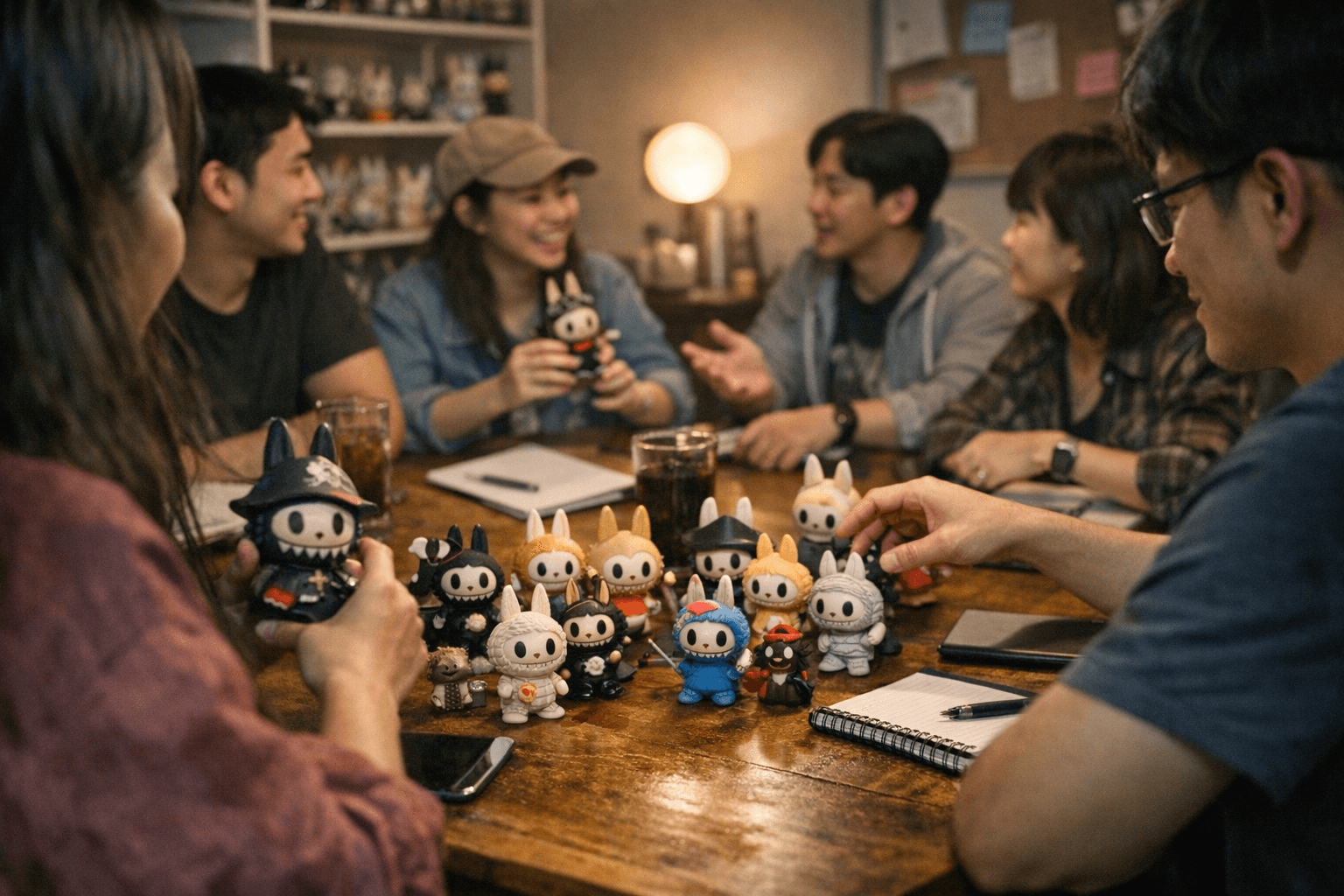
Safety and conduct matter. Establish a short code of conduct that bans harassment, sets clear trading and refund expectations, and protects members’ property. For children’s programming require parental supervision, avoid small detachable parts for very young kids, and follow venue child-safety rules.
Run your first three meetings with tight agendas. For a 60-90 minute launch, welcome and introductions for 10 minutes, outline club purpose and schedule for 20 minutes, run a 30-40 minute show-and-tell allowing 2-3 minutes per person, then spend 15 minutes signing up members and collecting contacts. For a 90-minute swap and tips night, open with 10 minutes of announcements, run a 40-minute moderated swap area, provide a 30-minute tutorial on safe packing or display tips, and finish with a 10-minute community poll. For a two-hour hands-on workshop, include a 15-minute setup and safety briefing, a 10-minute demo, 75 minutes of member work time with volunteers assisting, and 20 minutes for group critique and photos.
Practical starters: decide purpose and leadership, reserve a venue or virtual room, make an event page and flyer, promote at local shops and online, prep a 5-10 minute icebreaker, and bring basic supplies like tables, tape, and name tags. Partner with hobby stores, cafes, and makerspaces for discounts, demo space, or raffle donations, and mentor new organizers to avoid burnout.
The takeaway? Keep early events low-pressure and welcoming so newcomers feel included. Our two cents? Focus on relationships before monetizing, rotate roles to stay fresh, and keep glue guns at the ready for those inevitable customization sessions.
Know something we missed? Have a correction or additional information?
Submit a Tip