Hungary Polls Show Magyar's Tisza Party Leading Orbán's Fidesz Before Vote
Polls put Magyar's Tisza up to 23 points ahead of Fidesz among likely voters, making Hungary's April 12 vote its most competitive in 16 years.
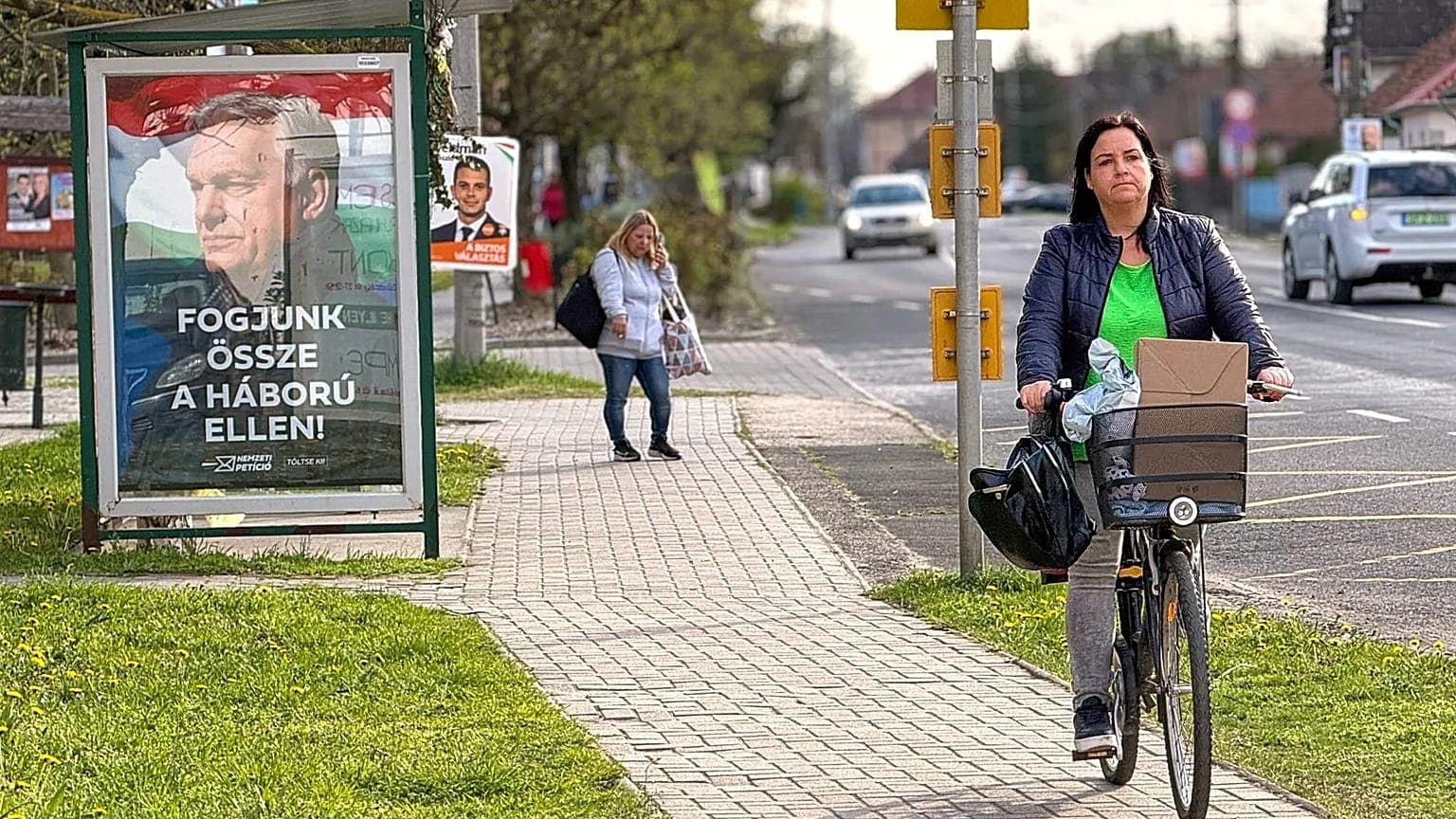
Peter Magyar's centre-right Tisza party entered the final hours before Hungary's parliamentary vote on Sunday with a commanding lead over Prime Minister Viktor Orbán's Fidesz, according to multiple independent polls published on April 10. One Hungarian pollster, Median, estimated Tisza could capture 138 of the 199 seats in the National Assembly, a tally that would give Magyar a supermajority and the constitutional leverage to reverse many of Orbán's institutional changes. A Nepszava-published survey had Tisza at 52 percent and Fidesz at 39 percent among decided voters, while the Iránytű Institute placed Tisza at 41 percent and Fidesz at 34 percent among the total adult population.
Orbán has held political power for 16 years since the 2010 parliamentary election and is seeking a fifth term in office. Magyar, a former Orbán loyalist who broke from the ruling coalition, built Tisza from obscurity into a national movement in roughly two years, running on a platform of anti-corruption, economic reform and a return to closer EU ties. Government-aligned pollsters depicted a tighter race, underscoring the structural difficulty of independent polling in a media environment Fidesz has shaped over more than a decade.

Magyar pledged to restore good ties with the European Union and unlock some 18 billion euros in cohesion and recovery funds frozen over the Fidesz government's non-compliance with rule-of-law requirements. That sum represents a concrete financial dividend that a change in government could deliver quickly, giving the election stakes well beyond symbolism. A victory for Magyar could also shift Budapest's stance on the war in Ukraine and signal a broader pro-European pivot at a moment when EU cohesion is under sustained pressure.
For Orbán, Sunday's contest represents an inflection point after a governing model he branded "illiberal democracy" attracted both admirers and adversaries across the continent. His government's periodic alignment with Moscow, resistance to common EU sanctions postures, and prolonged disputes over judicial independence made Hungary a persistent friction point in Brussels. A Fidesz victory would entrench those positions; a Tisza win would reopen questions that Orbán has kept closed since 2010.
Domestically, the final campaign days brought large rallies and pointed messaging on corruption and public services. Youth mobilization and urban voters shaped the opposition's prospects, while rural areas and smaller towns remained Fidesz strongholds. Hungary's mixed electoral system, which combines single-member constituencies with proportional list seats, means that seat allocation will hinge on the geographic distribution of the vote, not just its aggregate size.
Politico Europe described the April 12 vote as the most important election in the European Union in 2026. Official results and post-election coalition negotiations will determine whether the polling lead translates into governing power, and how quickly a new administration could realign Hungary's position on the issues Brussels, Washington and Kyiv are watching most closely.
This article was produced by Prism’s automated news system from verified source data, official records, and press releases, then run through automated quality and moderation checks before publishing. The system is built and supervised by the people who set the standards it runs under. Read our full AI policy.
Did this article answer your question?