Ukraine Claims Strikes on Russian Caspian Sea Drilling Platforms, Expanding War's Reach
Ukraine struck Russian Caspian Sea drilling platforms overnight, a geographic leap that threatens energy markets and tests the conflict's outermost reach.
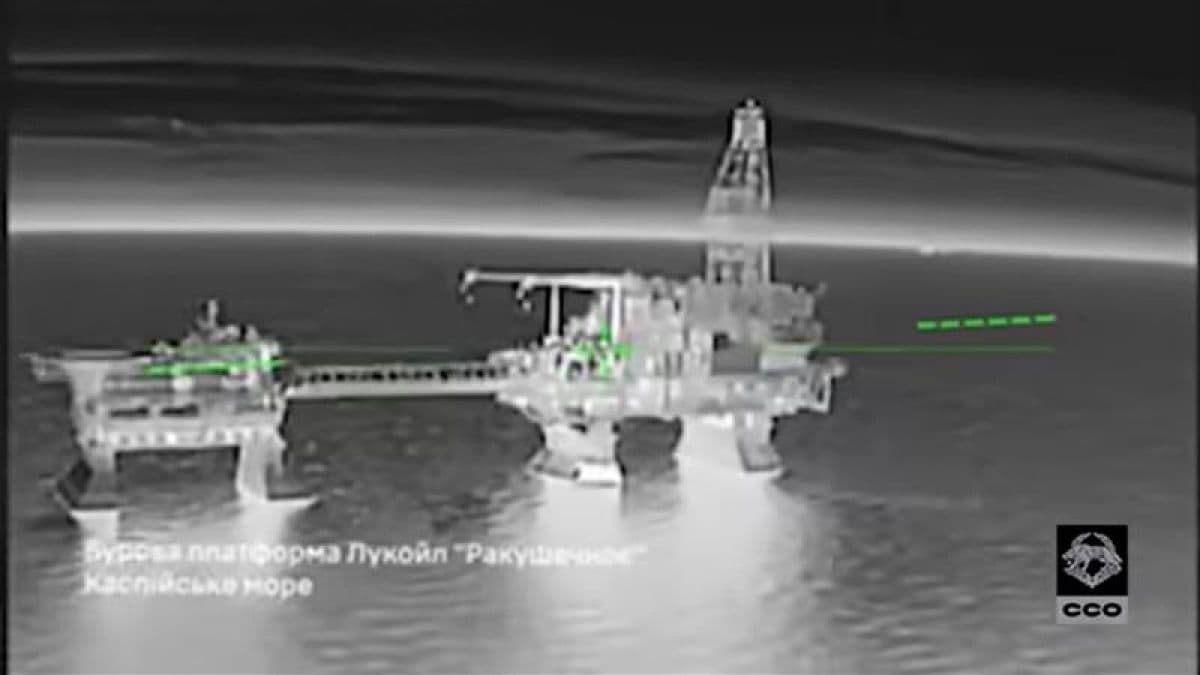
Ukrainian forces struck Russian-operated drilling platforms on the Caspian Sea shelf overnight April 10, military sources and Ukrainian defense outlets reported, marking what would be the conflict's most distant maritime energy target to date and signaling a deliberate push beyond the land-based frontlines that have defined more than three years of fighting.
The targets were offshore drilling platforms and associated maritime infrastructure. Ukrainian authorities framed the strikes as part of a sustained campaign to degrade Russia's capacity to extract and transport hydrocarbons and to pressure logistics chains simultaneously. Strikes on air-defense systems and logistics nodes in occupied territories were also reported the same evening, suggesting coordinated tempo rather than an isolated operation.
Independent verification remained limited as of April 11. Neutral international monitoring agencies had not publicly confirmed the strikes, and Russia, consistent with its established pattern of response to maritime incidents, had not acknowledged damage to offshore assets. Open-source intelligence groups and independent journalists were working to geolocate imagery circulating on social media, but analysts cautioned that early reporting on maritime strikes frequently relies on military communiqués and unverified footage requiring careful corroboration before conclusions can be drawn.
If confirmed, the strikes carry consequences that extend well beyond any tactical gain. Caspian Sea platforms contribute meaningfully to regional hydrocarbon extraction capacity, and damage to offshore infrastructure can produce both immediate supply disruptions and longer-term operational hazards. Environmental groups and regional governments flagged the specific risk of oil spills from damaged platforms, a scenario whose consequences would persist long after the military moment passed.
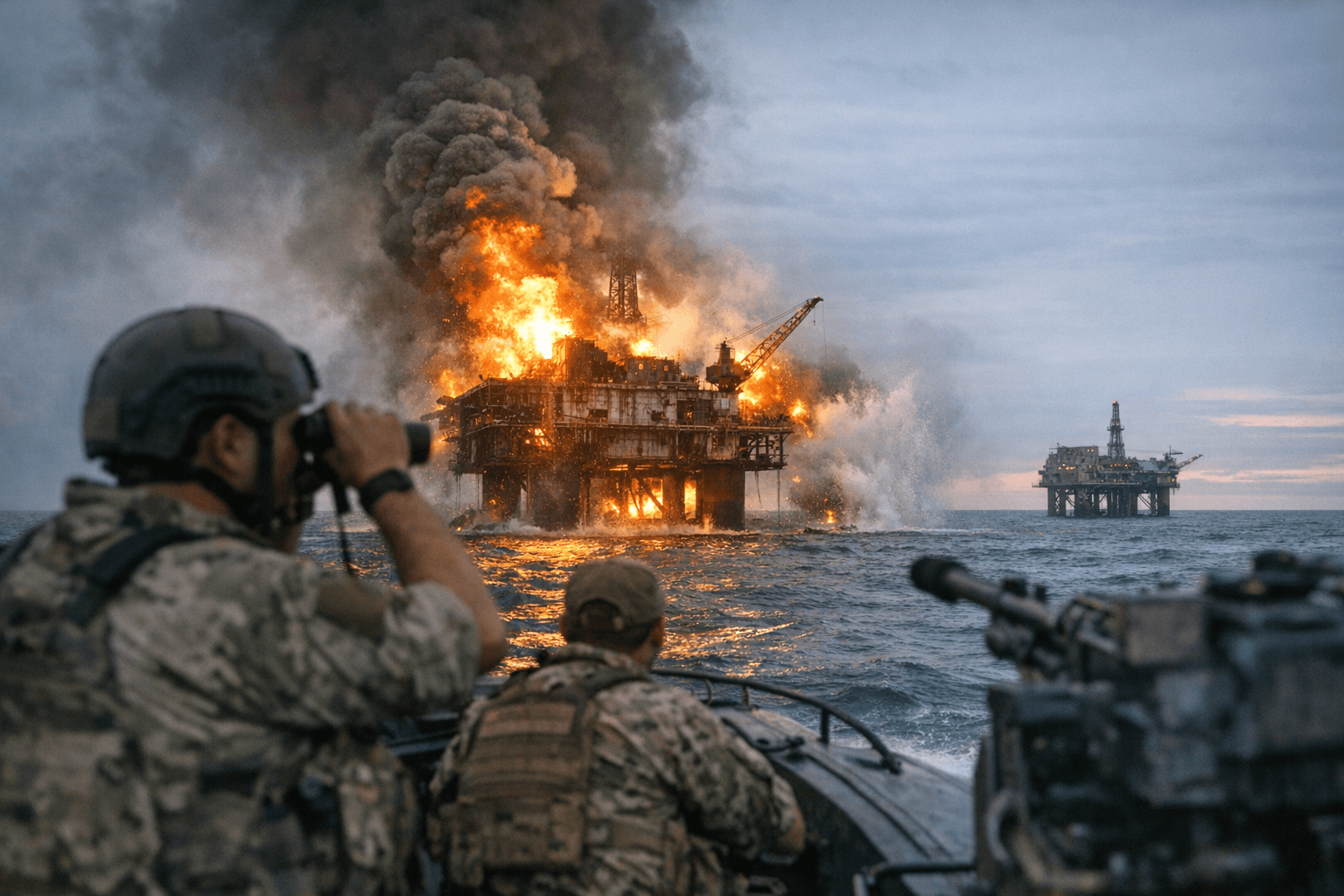
Energy traders were monitoring the reports for supply signals. European and global oil and gas markets were already operating under pressure from multiple geopolitical flashpoints, and any credible disruption to Caspian production stood to amplify that sensitivity. Maritime safety authorities, who track platform damage for navigational and ecological risk alongside strategic implications, were also closely watching.
The conflict's fourth year has been defined by Ukraine's expanding use of long-range precision fires and maritime drones to reach targets that were inaccessible in earlier phases. Strikes on Black Sea naval assets, Russian oil terminals, and energy relay infrastructure have become recurring elements of the pressure campaign. The Caspian, however, represents a qualitative step: it is a body of water bordered by Kazakhstan, Azerbaijan, Turkmenistan, and Iran, all of whom carry significant economic stakes in its stability. Carrying the war into that geography transforms the strategic calculus in ways that energy markets, regional governments, and international observers were only beginning to assess.
This article was produced by Prism’s automated news system from verified source data, official records, and press releases, then run through automated quality and moderation checks before publishing. The system is built and supervised by the people who set the standards it runs under. Read our full AI policy.
Did this article answer your question?


