Hungary’s battery plant backlash helps topple Orban’s government
A €7.3 billion CATL plant outside Debrecen turned China’s flagship Hungary project into a local backlash that helped strip Fidesz of the city’s seats.
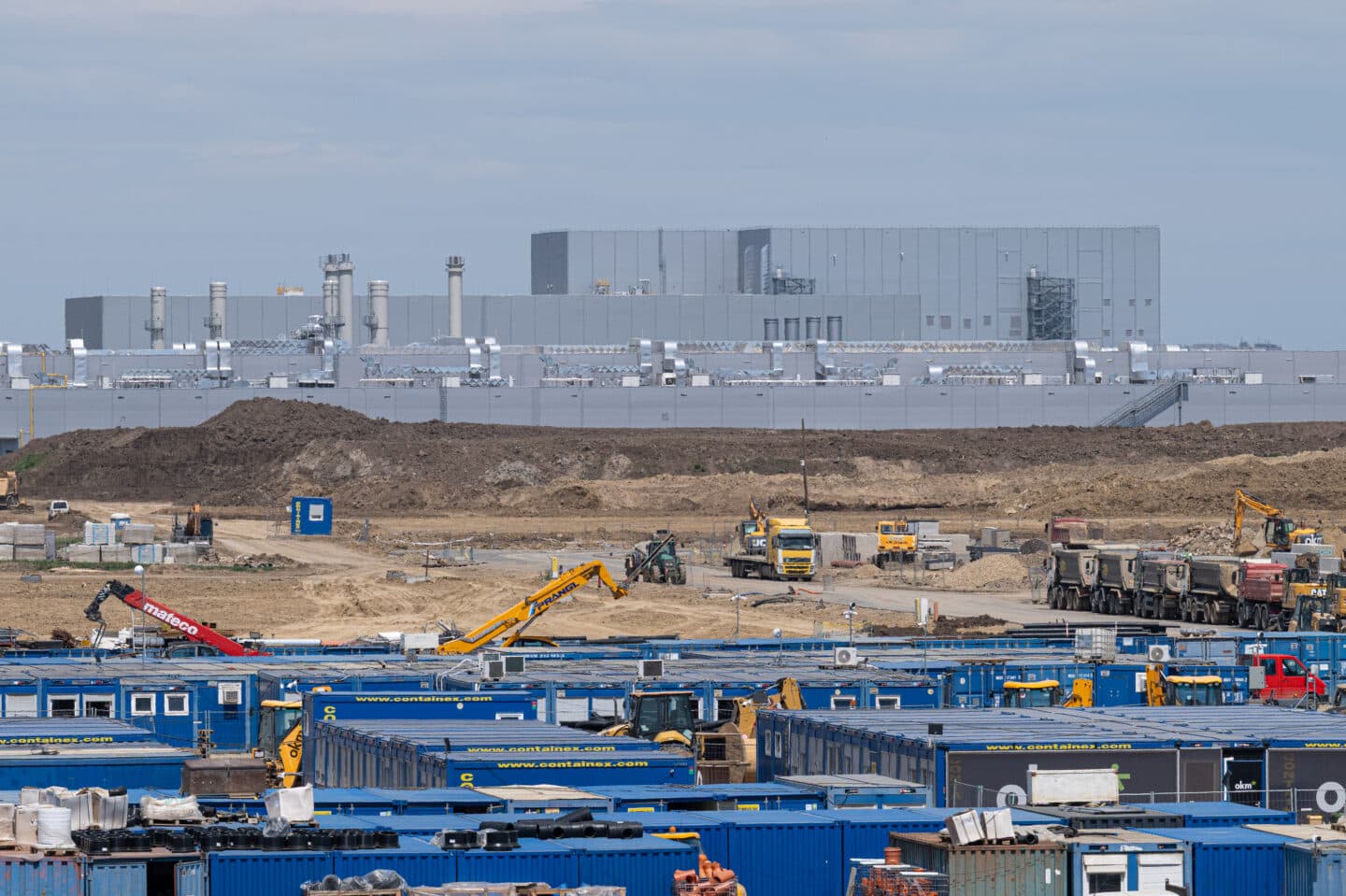
A giant battery factory outside Debrecen became a political liability for Viktor Orban just as Beijing was counting on Hungary as its gateway into Europe. The backlash helped cost Orban’s Fidesz all of its seats in Parliament from the city in Hungary’s April 12 election, handing them to Péter Magyar’s Tisza movement.
The plant at the center of the fight is CATL’s lithium-ion battery complex, a €7.3 billion project on a 221-hectare stretch of former farmland near Hungary’s second-largest city. The government backed it with about €800 million in tax incentives and infrastructure support, betting that Hungary could become the European Union’s second-biggest battery producer by 2030, behind Germany. More than 20 EV battery plant projects were already underway in the country as Budapest tried to turn itself into a regional hub for electric-vehicle supply chains.
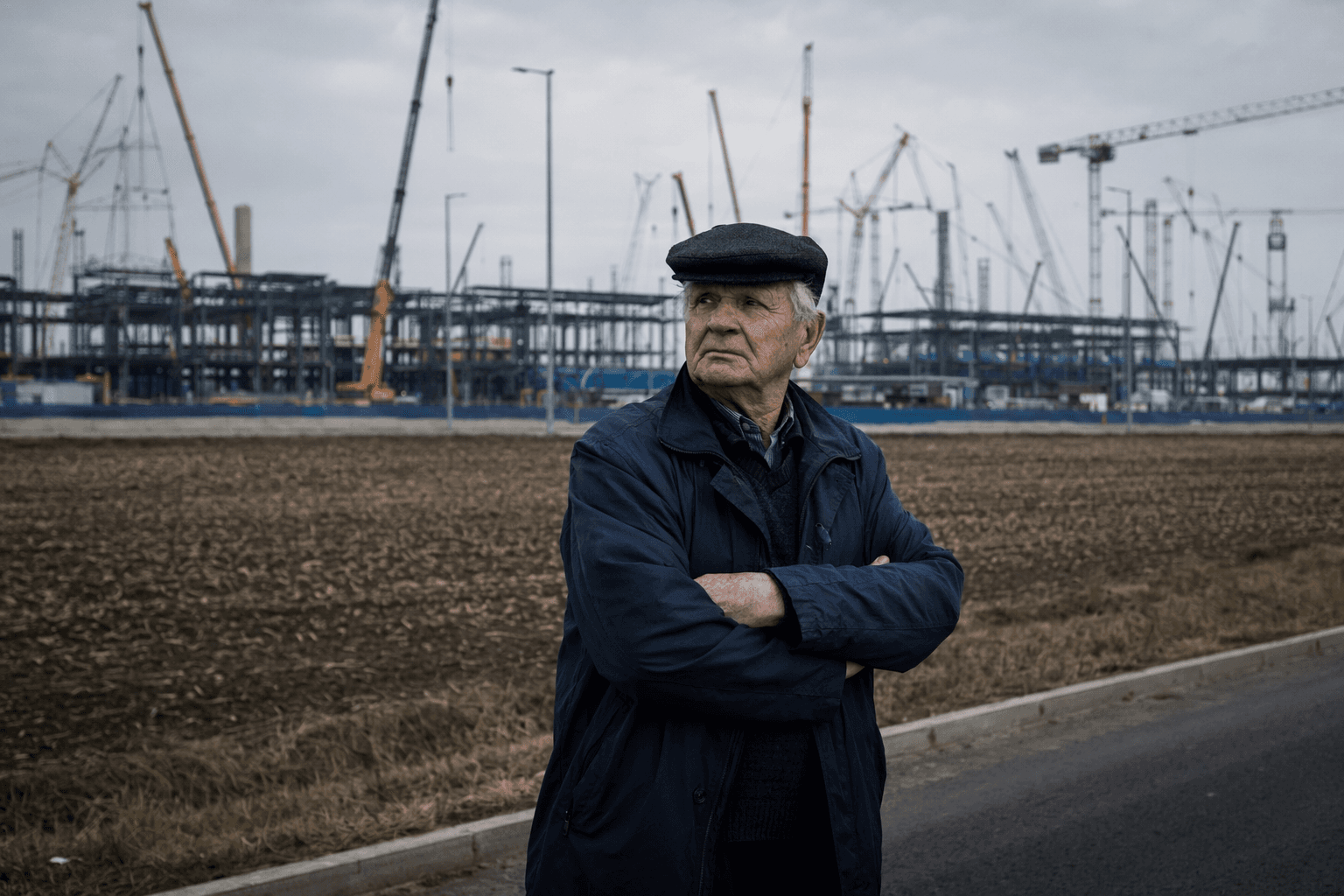
Instead, the Debrecen factory became a symbol of what can go wrong when a foreign investment project collides with local concerns over land, water and pollution. Residents and environmental activists spent years warning that the plant would strain scarce water resources, worsen air pollution and create waste in a country where enforcement of environmental rules was already seen as weak. Public hearings in January 2023 turned contentious, and opposition sharpened as drought conditions deepened fears about the project’s footprint.
Protesters in Debrecen and nearby villages adopted blunt slogans, including “No battery, no deal” and “Debrecen belongs to Hungarians.” Activists also warned the site could become a “battery wasteland.” The anger was not limited to CATL. It became part of a broader resentment over the pace and scale of Hungary’s battery-buildout, especially in a region where people feared they would bear the environmental cost while others captured the jobs and subsidies.
Tisza made that resentment a political weapon. Magyar’s movement tied the battery issue to a larger critique of Orban-era governance, including concerns over toxic waste, lax enforcement and the import of guest workers for industrial projects. Magyar also campaigned on reviewing heavy-polluting industries. The result in Debrecen exposed a limit to China’s strategy in Europe: ties to strongman-friendly governments can secure approvals and incentives, but a flagship investment can unravel fast when local voters decide the jobs are not worth the land, water and environmental risk.
This article was produced by Prism’s automated news system from verified source data, official records, and press releases, then run through automated quality and moderation checks before publishing. The system is built and supervised by the people who set the standards it runs under. Read our full AI policy.
Did this article answer your question?