Indonesia plans state export monopoly for palm oil, coal to boost revenue
Indonesia moved to put palm oil and coal exports through a state gatekeeper, after claiming $908 billion in lost resource revenue.
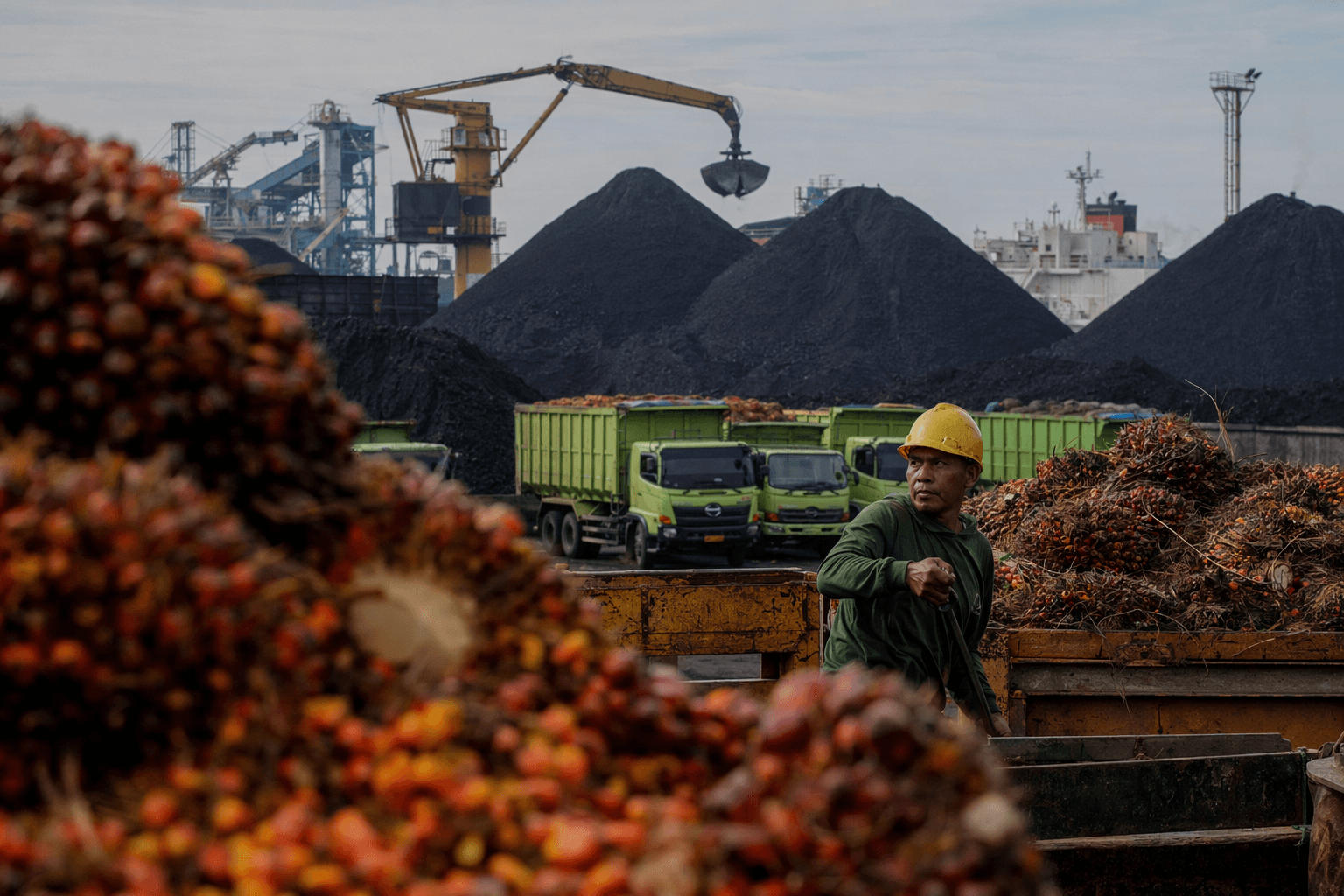
Indonesia moved to tighten state control over two of its most valuable exports, with President Prabowo Subianto ordering palm oil, coal and other commodities through a government-selected trading company in a bid to capture more revenue, clamp down on under-invoicing and stop foreign-exchange leakages.
The plan would route shipments through PT Danantara Sumber Daya Indonesia, a new entity overseen by Danantara, with a transition period running from June 1 to August 31, 2026. Under the proposed system, commodity export transactions would be reported to the state-linked company from June through December 2026, then shift to a Danantara-run digital platform in January 2027. Prabowo said the government would issue a regulation governing commodity exports and that sales of resources such as palm oil and coal should go through a sole exporter chosen by the state.
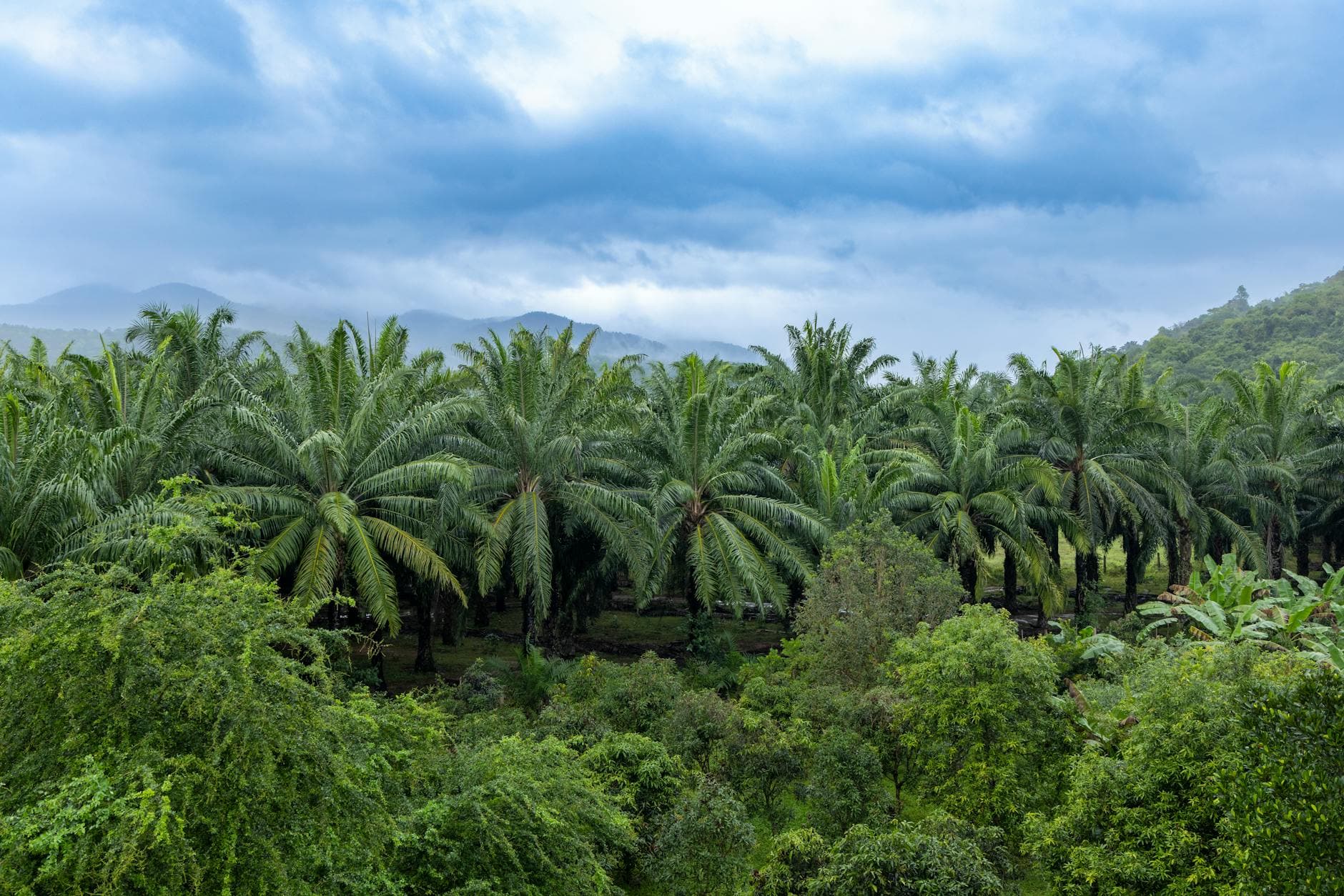
The policy lands at the center of Indonesia’s resource nationalism push. The government’s own fact sheet blamed under-invoicing and under-accounting in the resource sector for as much as $908 billion in losses between 1991 and 2024, a figure Prabowo said reflected decades of weak oversight and commodities sold too cheaply. Officials framed the change as a way to curb transfer pricing, improve tax collection and keep more foreign exchange at home. Indonesia is the world’s largest exporter of thermal coal and palm oil, and it accounts for more than half of global palm oil shipments, giving the state enormous leverage over trade flows if it chooses to use it.
The market reaction was immediate. Bank Indonesia raised its benchmark rate by 50 basis points to 5.25% on the same day, citing the weak rupiah, while the Jakarta Composite Index fell 3.5% on May 19 and extended its losses as investors digested the export plan. Traders worried that a centralized channel could alter pricing mechanisms, squeeze margins and reduce flexibility for producers and buyers.
Industry groups moved quickly to warn about the fallout. The Indonesian Palm Oil Association said established overseas trade relationships could be disrupted, while growers’ groups warned that small farmers could lose bargaining power if buyers are funneled through a single state-linked channel. Economists and commodity analysts also flagged the risk that centralizing exports would concentrate pricing power inside a state-linked entity and reduce transparency, with possible spillovers into coal, ferroalloys and other natural-resource exports.
Indonesia has tried this kind of leverage before. Its 2020 ban on raw nickel ore exports pushed miners toward domestic refining, and investors are likely to compare that precedent with this broader move. For now, the question is not only whether Jakarta can raise revenue, but whether it can centralize trade without unsettling the export flows that make Indonesia one of the world’s most important commodity suppliers.
Know something we missed? Have a correction or additional information?
Submit a Tip