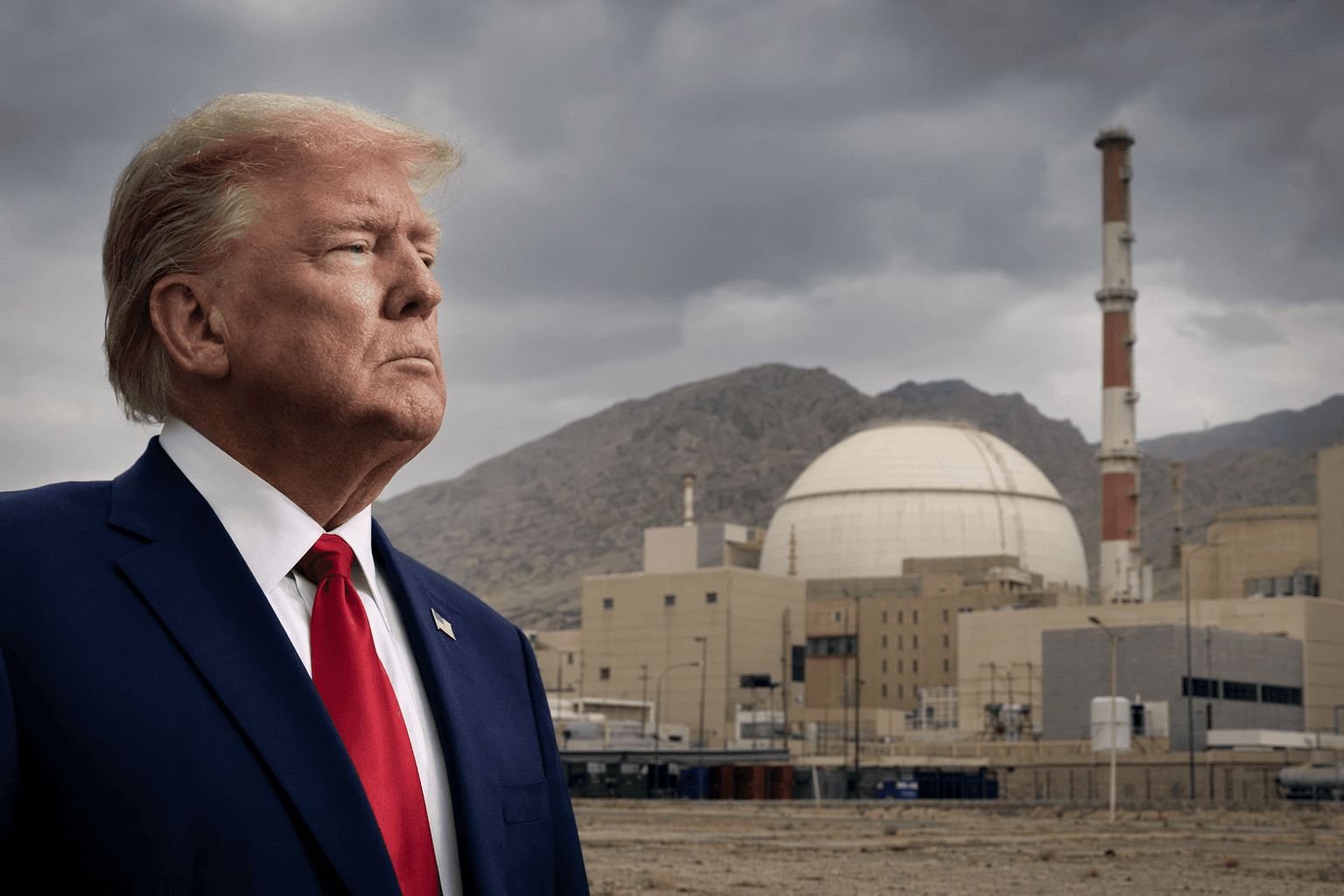
Iran-backed militia commander charged in U.S. terror plot against Jewish sites
A senior Kata’ib Hizballah commander was brought to Manhattan on charges tied to nearly 20 attacks and an alleged plot against Jewish sites in the United States.
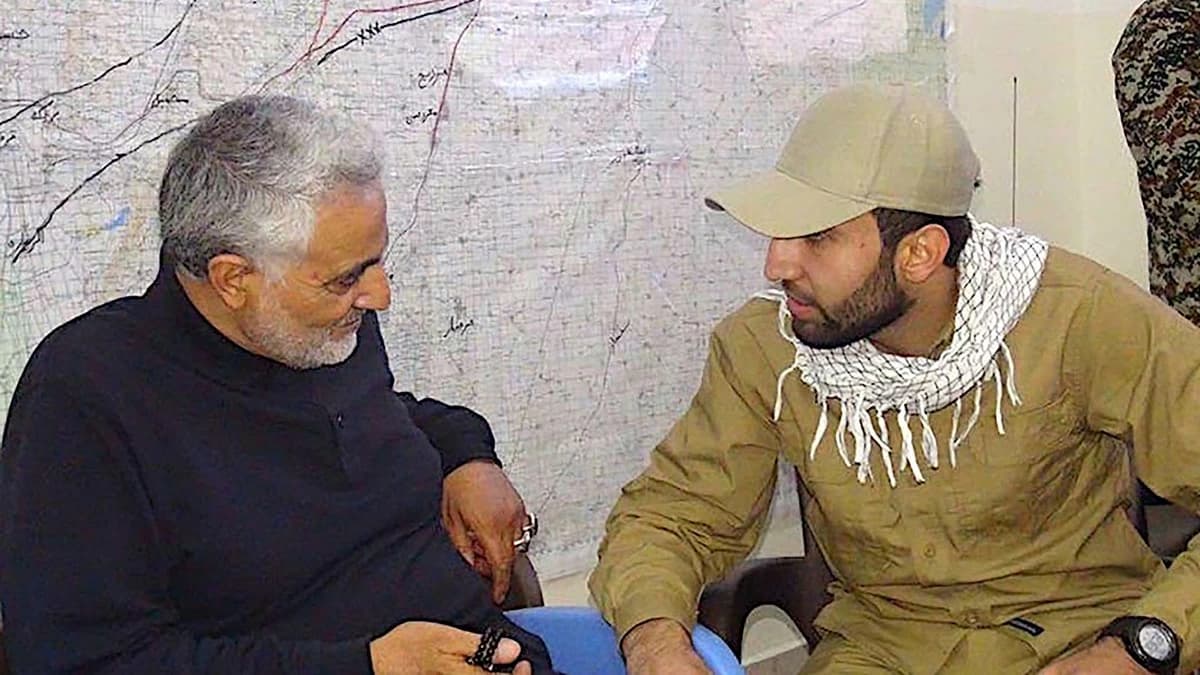
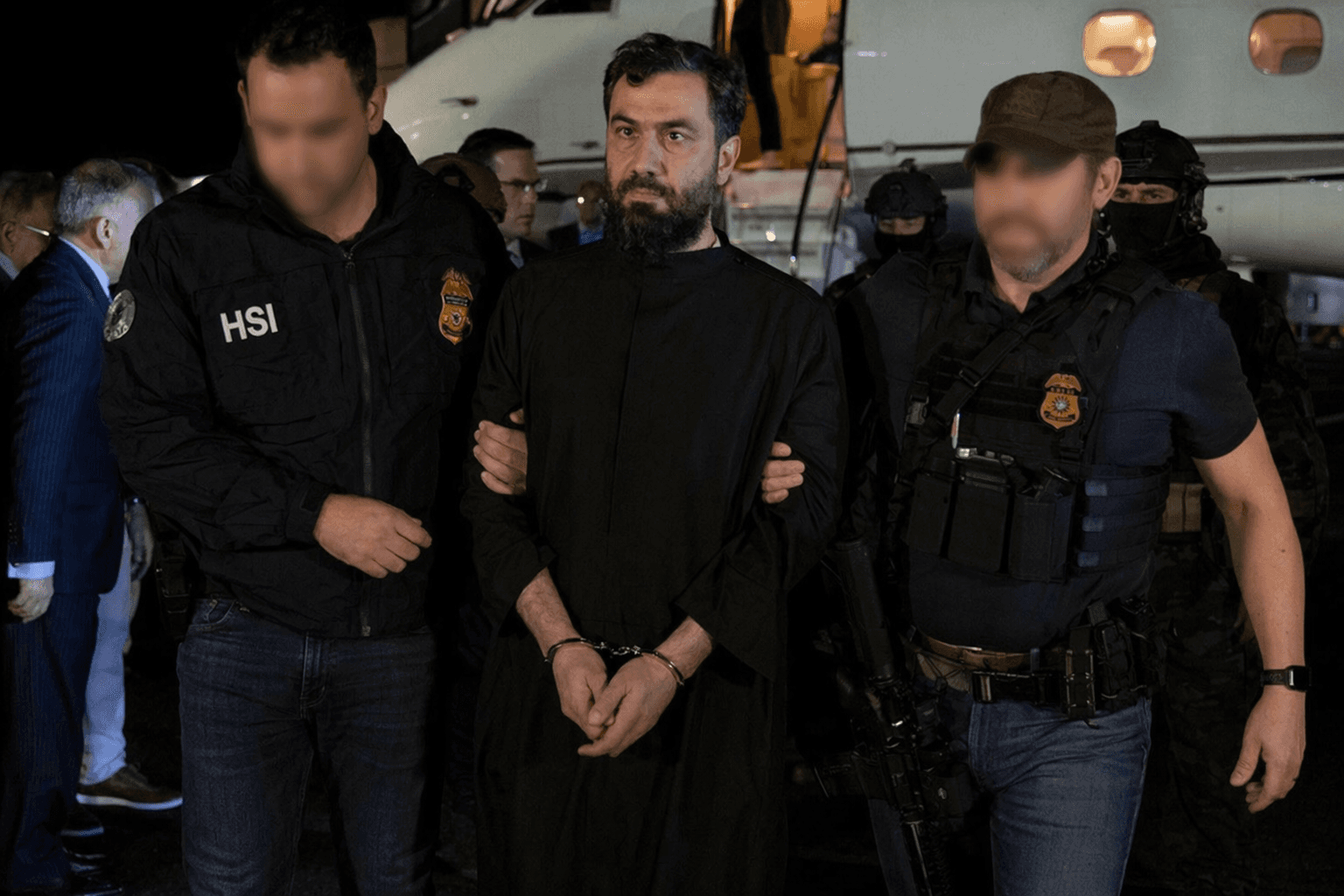
Federal prosecutors charged Mohammad Baqer Saad Dawood Al-Saadi, a senior member of Kata’ib Hizballah, after he was arrested overseas, transferred into U.S. custody and brought to Manhattan to face six terrorism-related counts.
The Justice Department said Al-Saadi, an Iraqi national, was linked to nearly 20 attacks and attempted attacks across Europe and the United States. Prosecutors said the complaint also tied him to discussions about possible attacks in New York, California and Arizona, and accused him of directing others to strike U.S. and Israeli interests and to kill Americans and Jews in the United States and abroad. A federal judge ordered him detained pending trial.
The case pushed a long-running regional threat into a domestic setting. Kata’ib Hizballah, also known as Kataib Hezbollah, was founded in 2007 in the aftermath of the 2003 U.S.-led invasion of Iraq, according to the National Counterterrorism Center. The U.S.-designated foreign terrorist organization has worked closely with Iran’s Islamic Revolutionary Guard Corps-Qods Force, followed Iran’s Supreme Leader and cooperated with Lebanese Hizballah and, at times, the Houthis in Yemen.
The group’s purpose has been openly aligned with Tehran’s interests. The National Counterterrorism Center says it seeks an Iran-aligned government in Iraq, the removal of U.S. and coalition forces and broader Iranian influence across the Middle East. The U.S. State Department designated Kata’ib Hizballah as a foreign terrorist organization in July 2009, and the group’s overall leader, Ahmad al-Hamidawi, was named a specially designated global terrorist in February 2020. The counterterrorism center estimates the organization has 7,000 to 10,000 members and says it has used improvised explosive devices, rockets and unmanned aircraft systems against U.S. personnel and facilities in Iraq and Syria.
The indictment also landed amid a wider spike in violence. The National Counterterrorism Center said Kata’ib Hizballah and other Iraqi Shia militant groups operating under the banner of the Islamic Resistance of Iraq carried out more than 150 attacks against U.S. forces in Iraq and Syria after the Israel-Hamas war began in October 2023. In June 2025, the group warned that it would resume attacks on U.S. troops if the United States intervened in the Israel-Iran conflict.
For U.S. security officials, the significance of the case is not only the alleged plot itself, but the channel it reveals: a militia built for battlefield pressure in Iraq and Syria now accused of reaching toward Jewish targets inside the United States. That shift underscores how Middle East proxy warfare can spill into homeland security, with foreign militant networks testing the reach of American law enforcement far from the original conflict zone.
Know something we missed? Have a correction or additional information?
Submit a Tip