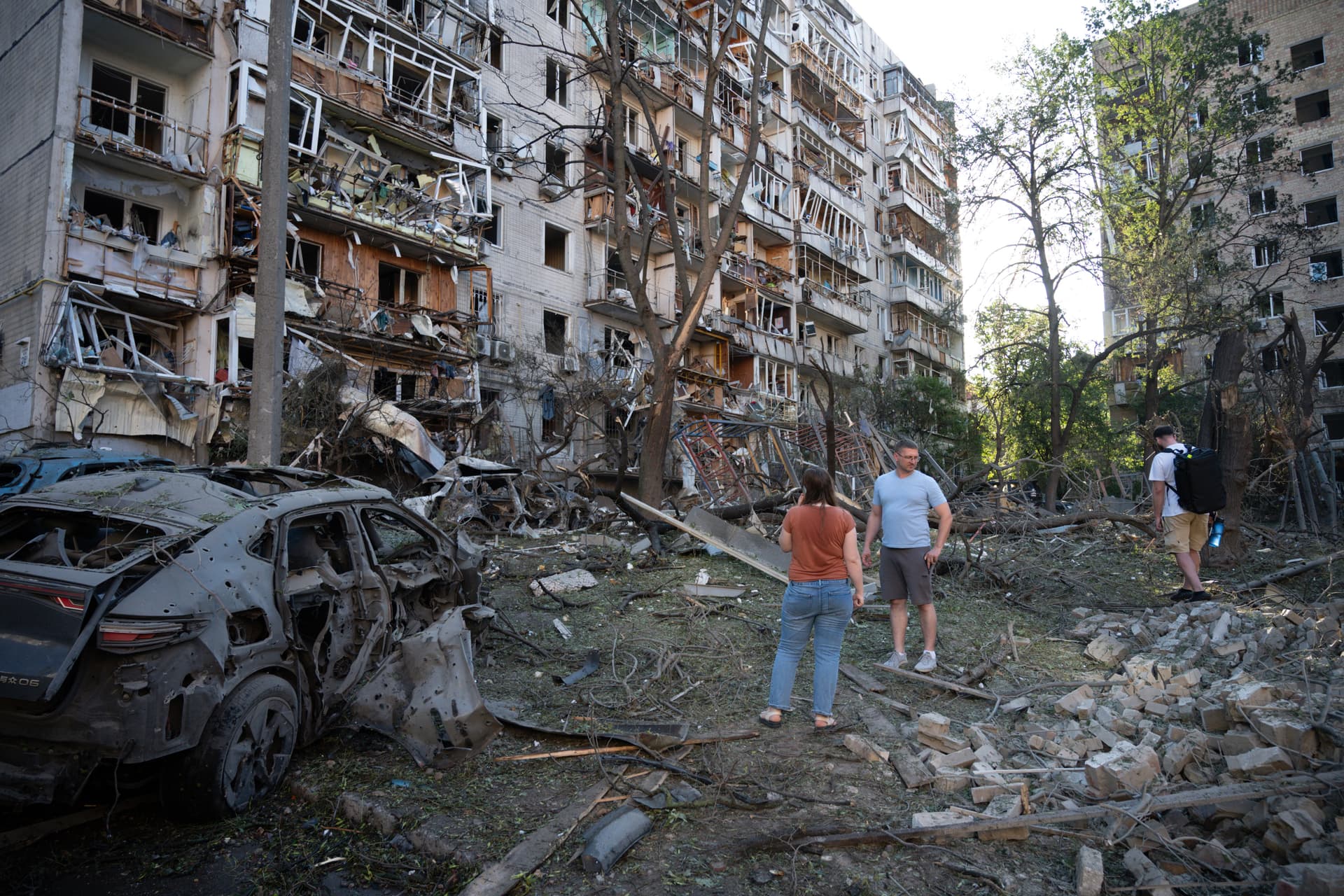
Iran Fires Missiles, Launches Drones as Israel Continues Lebanon Strikes
Iran launched missiles and drones at Gulf neighbors hours after its Lavan Island oil refinery was struck, as Israel killed at least 112 in Lebanon despite a U.S.-brokered pause.
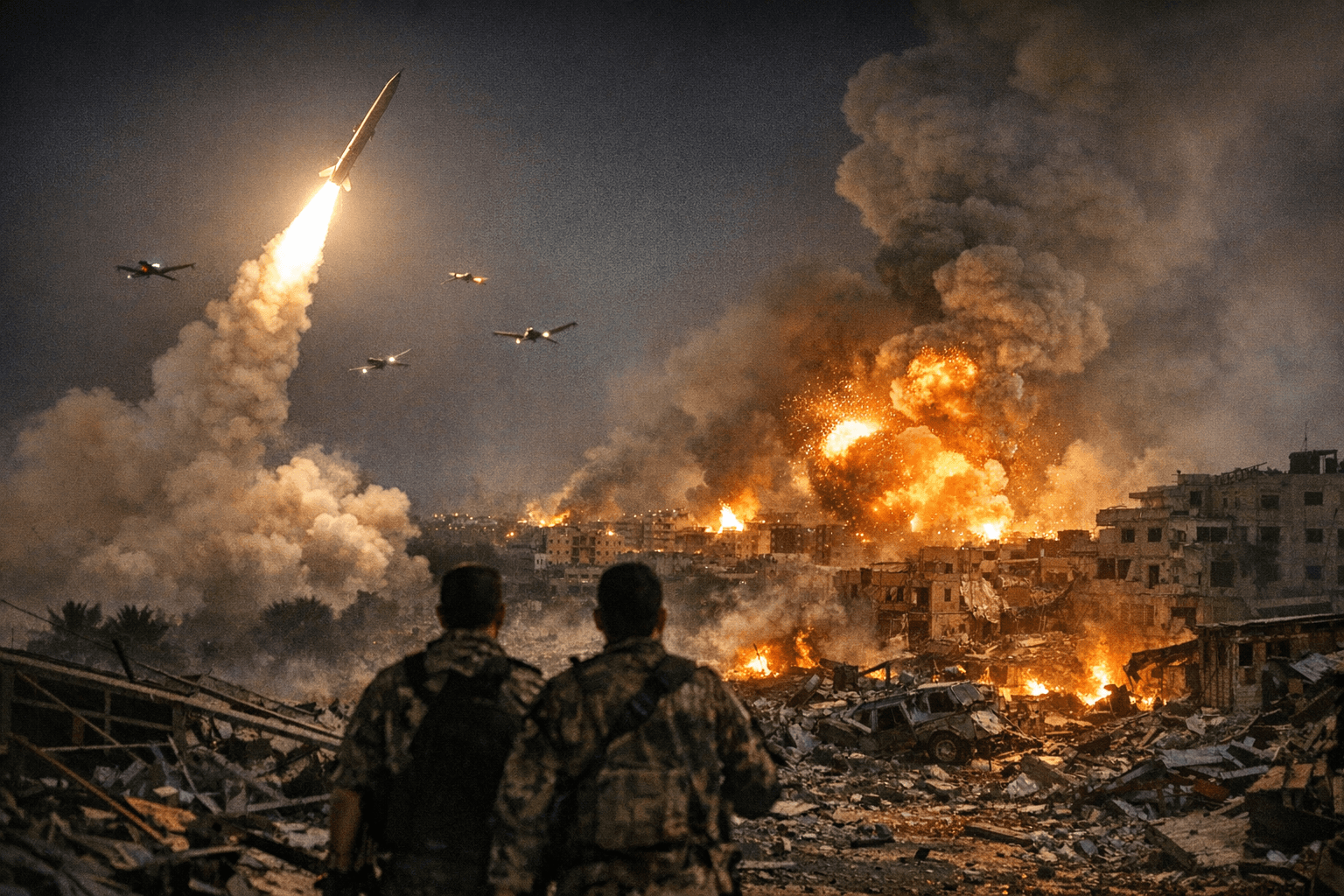
A fragile two-week ceasefire between the United States and Iran fractured almost immediately on April 8, as Iran's Lavan Island oil refinery was struck in what Tehran called an attack by "enemies," triggering a wave of Iranian missile and drone fire across multiple Gulf states while Israel pressed forward with lethal strikes in Lebanon.
Iran's National Iranian Oil Refining and Distribution Company confirmed that around 10 a.m. local time, "the facilities of Lavan Oil Refinery, located on Lavan Island, were subjected to a cowardly attack." The company reported no casualties. Video footage circulating on social media showed smoke rising from the facility, which is capable of producing more than 55,000 barrels per day of gasoline and high-quality fuel. Iran's Sirri Island crude export facilities, located further southeast near the entrance to the Strait of Hormuz, were also struck. No country claimed responsibility for either attack.
Iranian state broadcaster IRIB reported that the subsequent missile and drone operations were launched in direct response to the oil facility strikes, which Tehran characterized as a clear violation of the ceasefire. Kuwait's armed forces disclosed that they intercepted 28 Iranian drones between 8 a.m. and 1 p.m. local time, with some targeting "vital oil installations and power stations in the south." The UAE's Ministry of Defense said its air defense systems were "currently engaging missile and drone attacks originating from Iran." Saudi Arabia, Qatar, and Bahrain also reported Iranian projectiles in their airspace. Neither the United States nor Israel formally acknowledged carrying out any strikes on Iranian territory.
The ceasefire, brokered by Pakistan and announced by President Donald Trump, had come two weeks into major U.S.-Israeli military operations against Iran that Trump authorized on February 28. The agreement called for a two-week halt to allow diplomatic talks to proceed, with Trump having set a deadline for Iran to fully reopen the Strait of Hormuz, which Tehran had closed in response to Israeli operations against Hezbollah in Lebanon.
Lebanon was not included in the ceasefire terms. Israeli Prime Minister Benjamin Netanyahu made that position explicit, stating the pause represented "not the end of war" and that all Israeli objectives would be achieved. His words were matched by the scale of the day's violence: Israeli strikes killed at least 112 people in Lebanon on April 8 and wounded at least 700, according to Lebanon's Health Ministry. In Beirut alone, 300 casualties, both killed and wounded, were reported. IDF Chief of Staff Eyal Zamir said Israel would continue its operations. The Lebanon death toll from the broader conflict has now surpassed 1,500, with one million people displaced and eleven Israeli soldiers killed.
The twin crises, an unanswered strike on Iranian energy infrastructure and unchecked Israeli operations in Lebanon, placed the ceasefire under severe strain before its first day had ended. Iran accused Israel of violating the agreement; Israel and the U.S. maintained that Lebanon was never covered by its terms. With Gulf air defenses engaged and Beirut absorbing fresh strikes, the region's brief window toward de-escalation appeared to be closing.
This article was produced by Prism’s automated news system from verified source data, official records, and press releases, then run through automated quality and moderation checks before publishing. The system is built and supervised by the people who set the standards it runs under. Read our full AI policy.
Did this article answer your question?