Iran Keeps Striking Region as Markets Bet on Conflict Cooling
Iran struck across the region for a 31st straight day as oil markets showed early signs of easing, while Israel announced plans to occupy southern Lebanon even after the war ends.
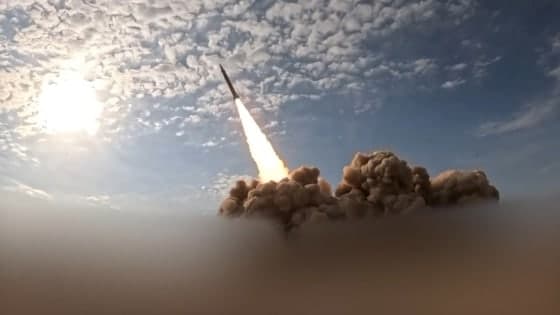
Iran's retaliatory campaign entered its 31st day Tuesday, with the conflict having spread across at least a dozen countries and killed more than 2,300 people since fighting began February 28. Financial markets, battered since the war's opening week, signaled cautious optimism that the worst might be passing, even as Iran's strikes showed no sign of halting.
Iran launched hundreds of drones and ballistic missiles at targets in Israel and at US military bases in Bahrain, Jordan, Kuwait, Qatar, Saudi Arabia and the United Arab Emirates. A drone struck Britain's Akrotiri military base on Cyprus, and missiles were shot down over Turkey. Iran also sent two missiles targeting the US-UK military base at Diego Garcia in the British Indian Ocean Territory on March 20, roughly 2,500 miles from Iran.
For the first time in history, Iran attacked all Gulf Cooperation Council countries: Bahrain, Kuwait, Oman, Qatar, Saudi Arabia and the UAE. Oman's Foreign Minister described the Iranian attacks as "completely unacceptable" but "probably the only rational option" given the US and Israeli strikes, adding that the US had "lost control of its own foreign policy."
On the diplomatic front, Iran called the latest American ceasefire proposal "unrealistic," while President Donald Trump said the US may blow up and completely obliterate Iran's electric plants and oil wells if a deal is not reached. Trump later extended his April 6 deadline on Iran, with the conflict's trajectory hanging in the balance amid murky ceasefire efforts.
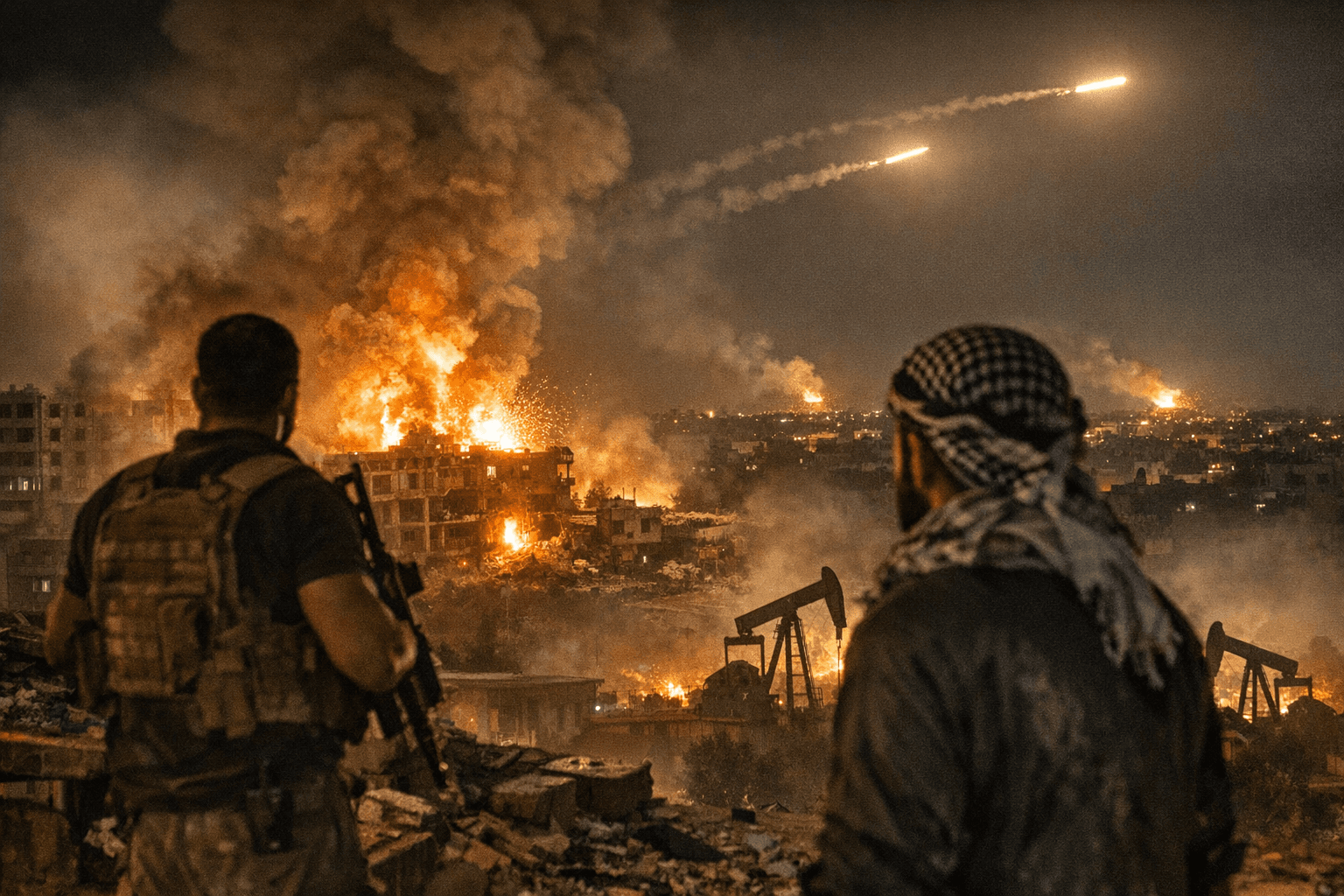
The 2026 Iran war, including the closure of the Strait of Hormuz on March 4, produced what the International Energy Agency characterized as the "largest supply disruption in the history of the global oil market," echoing the 1970s energy crisis through acute supply shortages, currency volatility, and heightened risks of stagflation and recession. The IEA said member countries unanimously agreed to release 400 million barrels of oil from their national reserves to ease prices, with the United States contributing 172 million barrels from the Strategic Petroleum Reserve.
While markets weighed a potential off-ramp, Israel moved to deepen its military footprint in Lebanon. Prime Minister Benjamin Netanyahu ordered the army to seize additional territory in southern Lebanon and expand the buffer zone, with plans for a broader ground assault south of the Litani River, roughly 30 kilometers north of the Israeli-Lebanese boundary. Netanyahu warned that Hezbollah retains the capability to carry out further attacks. A Lebanese soldier was killed and five others wounded Monday after Israel struck an army checkpoint in Ameriyeh on the Qlileh-Tyre road, according to the Lebanese army.
The war began when US-Israeli forces launched a surprise attack during nuclear negotiations, killing Supreme Leader Ali Khamenei, other Iranian officials, and civilians, with subsequent strikes damaging military bases, government facilities, schools, hospitals, and cultural heritage sites. Whether markets have correctly priced in a coming de-escalation, or merely anticipated one that Tehran and Washington have yet to agree on, may prove to be the conflict's most consequential open question.
Know something we missed? Have a correction or additional information?
Submit a Tip

