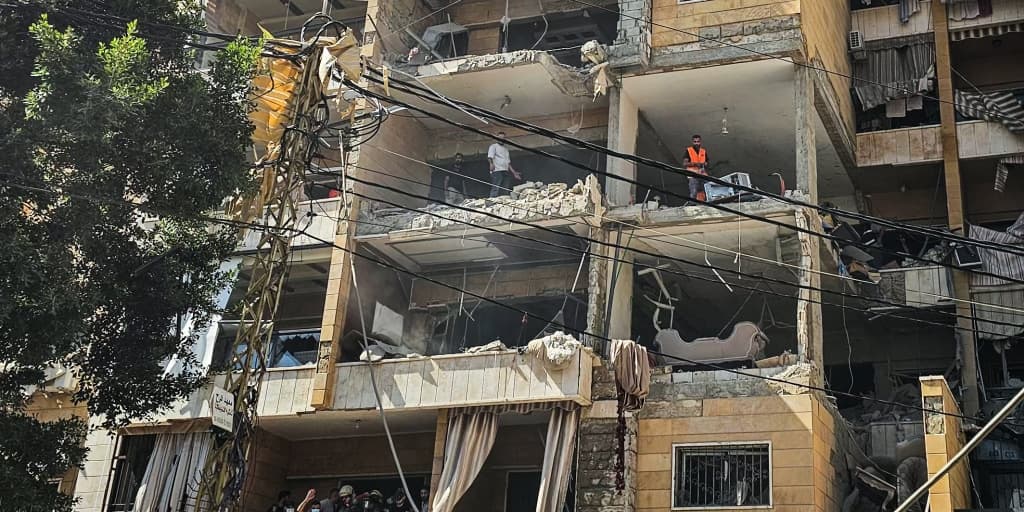
Iran launches missiles at Israel after Beirut strike, vows week of attacks
Missiles over Israel and Beirut jolted oil markets Monday, lifting crude more than $2 a barrel as traders feared a wider threat to Middle East energy flows.
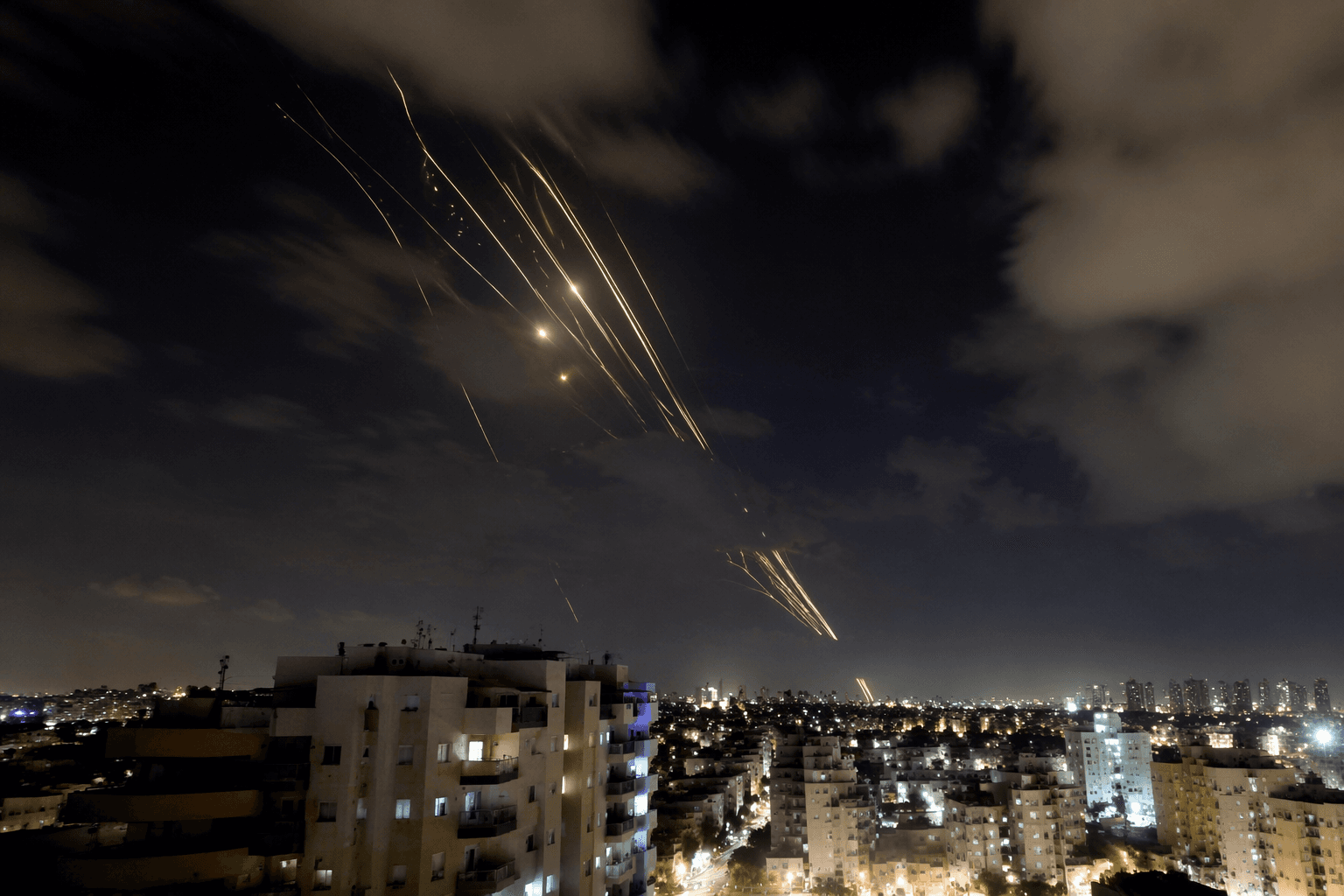
Israel and Iran’s latest exchange sent a fresh shock through energy markets as Tehran launched missiles at Israel and vowed a week of attacks after an Israeli strike on Beirut’s southern suburbs. Oil prices rose more than $2 a barrel in early Monday trading, a reminder that each missile launch now carries a market toll far beyond the battlefield, with traders watching whether the fragile ceasefire can survive or whether the region is headed toward a broader disruption of crude supplies.
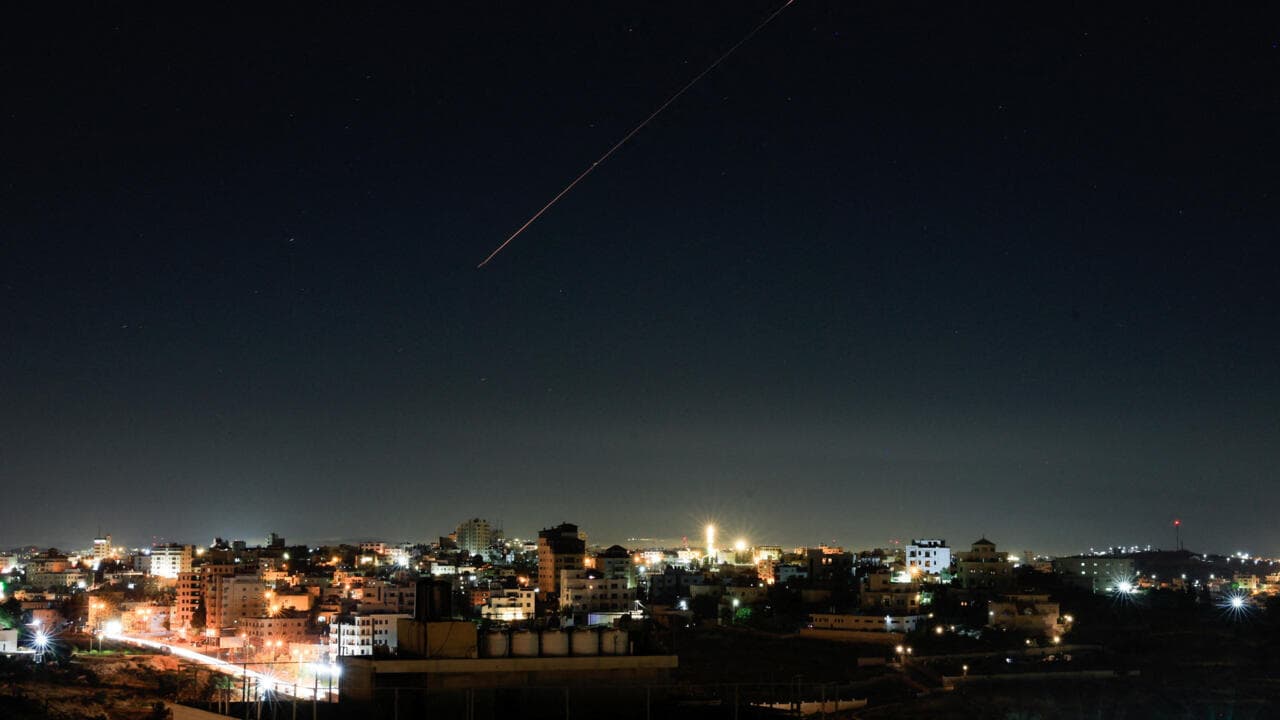
Israel said it intercepted all of the incoming missiles and reported no immediate casualties or damage. Lebanon’s health ministry said Israel’s strike on Beirut killed two people and wounded 20, deepening fears that the fighting could spread further through Lebanon and draw in Hezbollah, even as Israeli forces pushed deeper into the country.
Iran called the missile launch its first attack since the April ceasefire and framed it as the beginning of "a full week" of strikes. The Islamic Revolutionary Guard Corps said the June 7 operation was a warning and that responses would be broader if aggression continued. Mohammad Bagher Ghalibaf, the Iranian parliamentary speaker, said U.S. "naval blockade" activity and violations of agreements regarding Lebanon amounted to ceasefire violations, sharpening Tehran’s public argument that the truce had already been undermined.
The White House said President Donald Trump had been briefed on the renewed fighting and was trying to preserve the ceasefire. Trump reportedly wanted Benjamin Netanyahu not to strike back immediately, a sign that Washington sees the current moment as a test of whether the conflict can still be contained before it spills into a wider regional war.
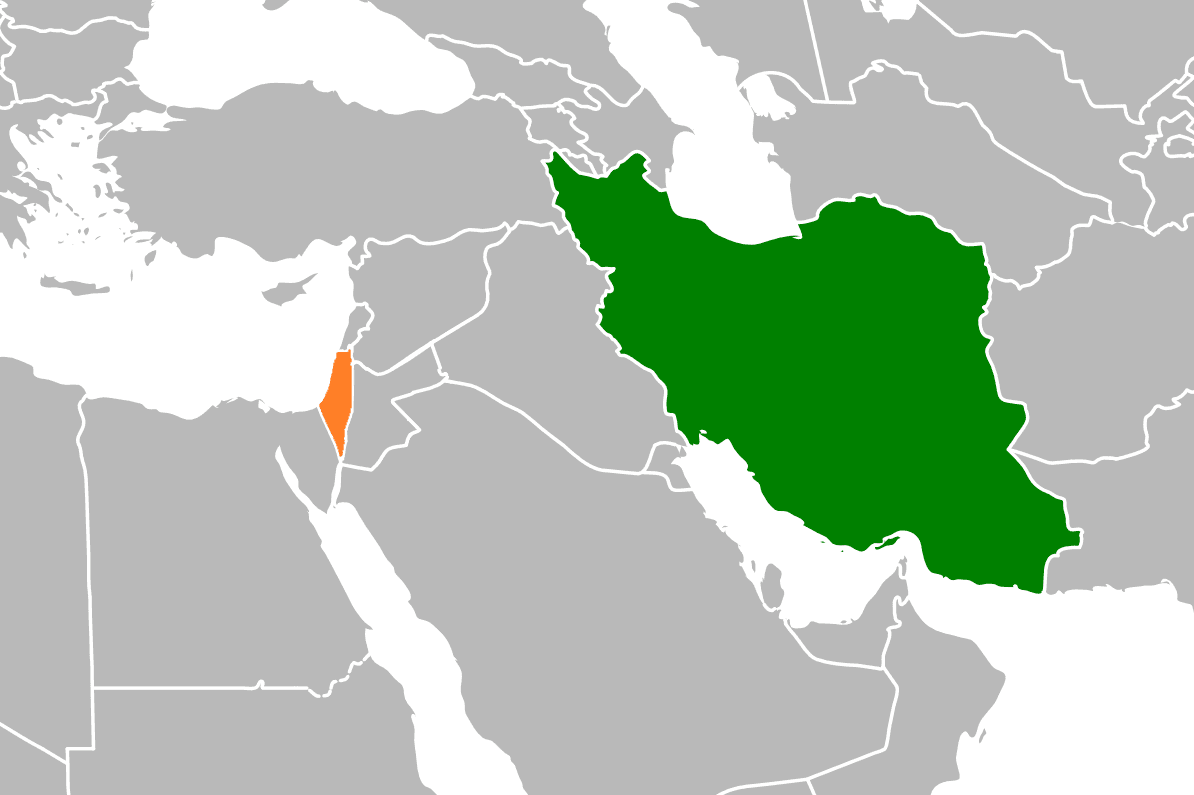
For markets, the concern is no longer just the latest price move but the possibility of a cascade: more Israeli strikes, more Iranian retaliation, and greater danger to shipping routes and energy infrastructure across the Middle East. Traders are focused on the Strait of Hormuz, the chokepoint through which a large share of the world’s oil flows, because any serious escalation there could push fuel costs higher for households and businesses and add pressure to inflation well beyond the region.
This article was produced by Prism’s automated news system from verified source data, official records, and press releases, then run through automated quality and moderation checks before publishing. The system is built and supervised by the people who set the standards it runs under. Read our full AI policy.
Know something we missed? Have a correction or additional information?
Submit a Tip