Iran Rejects U.S. Ceasefire Plan, Counters With Its Own Proposal
Iran dismissed Trump's 15-point ceasefire plan and fired missiles at Kuwait, Jordan, and Bahrain as a fire engulfed Kuwait International Airport.
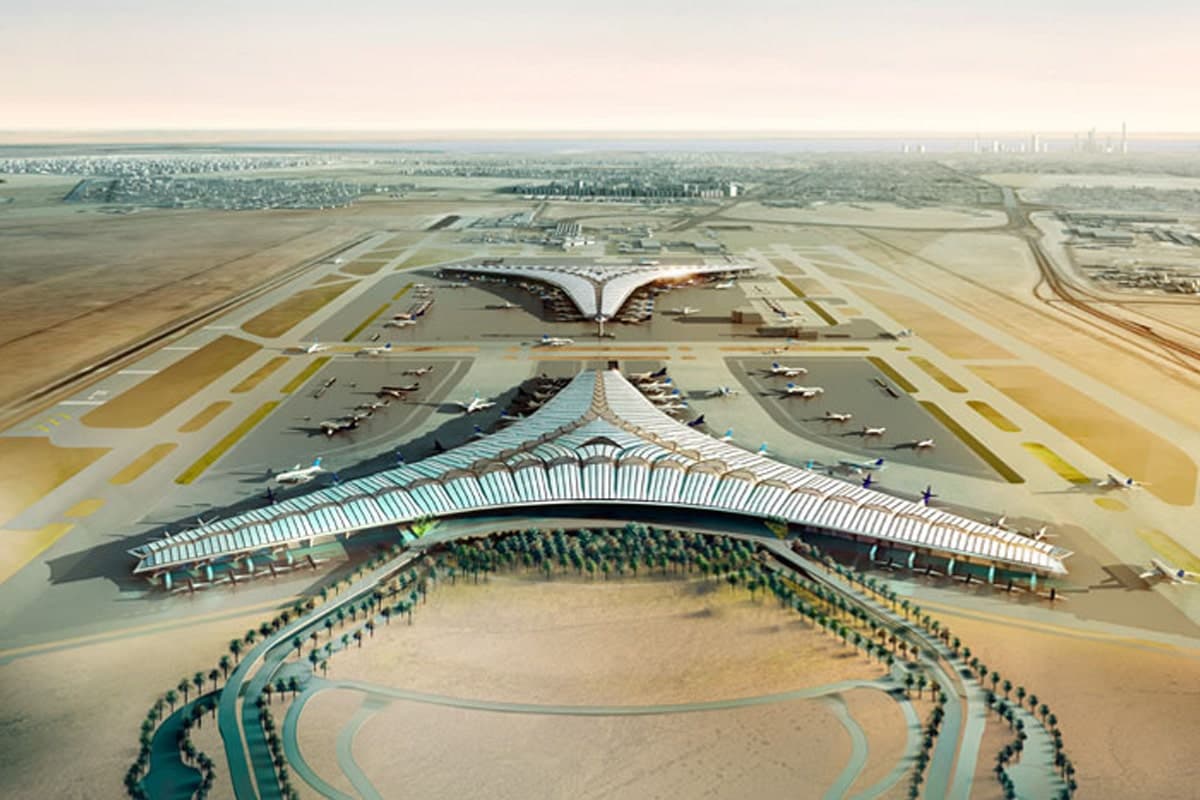
Iran dismissed an American plan to pause the war in the Middle East, issuing its own counterproposal instead, as it launched more attacks on Israel and Gulf Arab countries, including an assault that sparked a huge fire at Kuwait International Airport.
Iranian state television's English-language broadcaster, Press TV, quoted an anonymous official as saying Iran rejected America's ceasefire proposal. "Iran will end the war when it decides to do so and when its own conditions are met," the hardliner-controlled outlet quoted the official as saying.
Two officials from Pakistan, which transmitted the U.S. plan to Iran, described the 15-point proposal broadly, saying it addressed sanctions relief, a rollback of Iran's nuclear program, limits on missiles, and reopening the Strait of Hormuz, through which a fifth of the world's oil is shipped. The proposal also touched on civilian nuclear cooperation and monitoring by the International Atomic Energy Agency.
Iran's response came in the form of a five-point counterproposal relayed through Press TV. It included a halt to killings of its officials, means to make sure no other war is waged against it, reparations for the war, the end of hostilities, and Iran's "exercise of sovereignty over the Strait of Hormuz." Those measures, particularly reparations and its continued chokehold over the Strait of Hormuz, likely will be unacceptable to the White House as energy supplies worldwide remain affected by the war.
State broadcaster Press TV, citing a senior political-security official with knowledge of the details of the proposal, reported that Iran's five-point counteroffer would give Tehran control over the Strait of Hormuz. That may be a nonstarter for the U.S.: President Donald Trump on Monday floated the possibility that the crucial oil-shipping route could be controlled jointly by "me and the ayatollah."
While diplomacy stalled, fighting escalated across the region. Iran's Revolutionary Guards claimed to have fired missiles at Israel, Kuwait, Jordan, and Bahrain, according to state TV. Israel said it struck a naval missile production site in Tehran. Iran's defiance came as Israel launched airstrikes on Tehran and the United States deployed paratroopers and more Marines to the region. An aviation agency confirmed that drones struck a fuel tank at Kuwait International Airport, triggering the blaze there.

Two senior Israeli officials said Israel is concerned that the war might end before it can dismantle Iran's weapons programs, and that Israel plans to ramp up its attacks. The statement underscores the fragile nature of any ceasefire push: even a pause in U.S.-Iran hostilities would not automatically halt Israeli operations.
Iran's state media outlet FARS News Agency said there have been increased U.S. efforts to put a ceasefire into effect and begin indirect talks with Iran. An Iranian military spokesperson dismissed those efforts entirely, saying the U.S. was "negotiating with itself," according to state media.
Russia built the existing nuclear plant at Bushehr and Rosatom is constructing additional units there, although it has suspended building work since the United States and Israel launched a war with Iran last month. The suspension adds another layer of complexity to any civilian nuclear cooperation framework the U.S. hopes to offer Tehran.
A military expert quoted by CTVNews captured the deeper problem facing any negotiating team: U.S. officials "wouldn't really know who to trust" during peace talks with Iran. With Iran insisting it controls the timing and conditions of any settlement, and Israel openly preparing to intensify its campaign, that trust gap shows no sign of closing.
Know something we missed? Have a correction or additional information?
Submit a Tip