Iran Says Strait of Hormuz Open, But Shipping Must Follow Supervised Route
Iran said the Strait of Hormuz was open, but only on a supervised route through its waters, keeping the chokepoint politically charged and commercially uncertain.
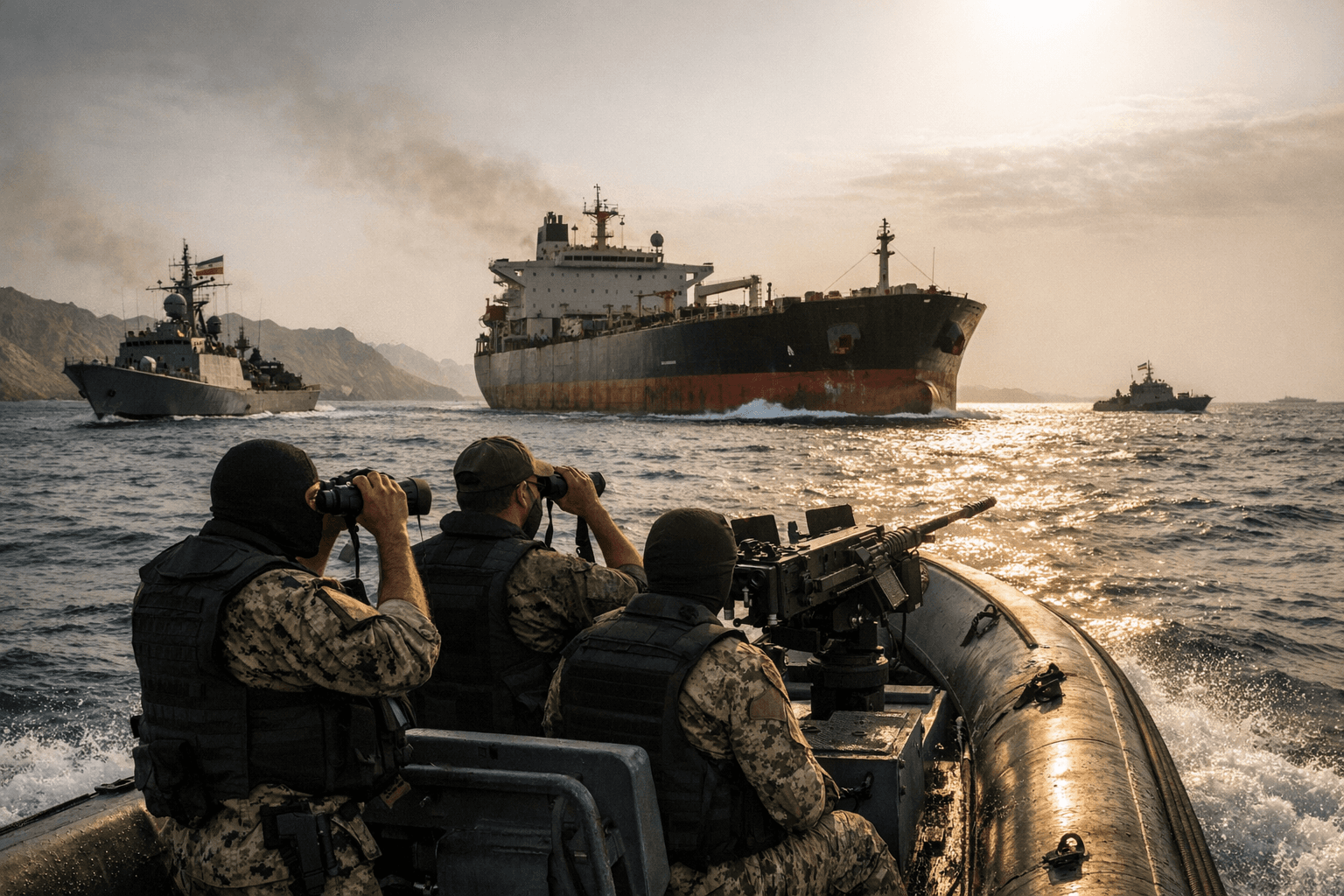
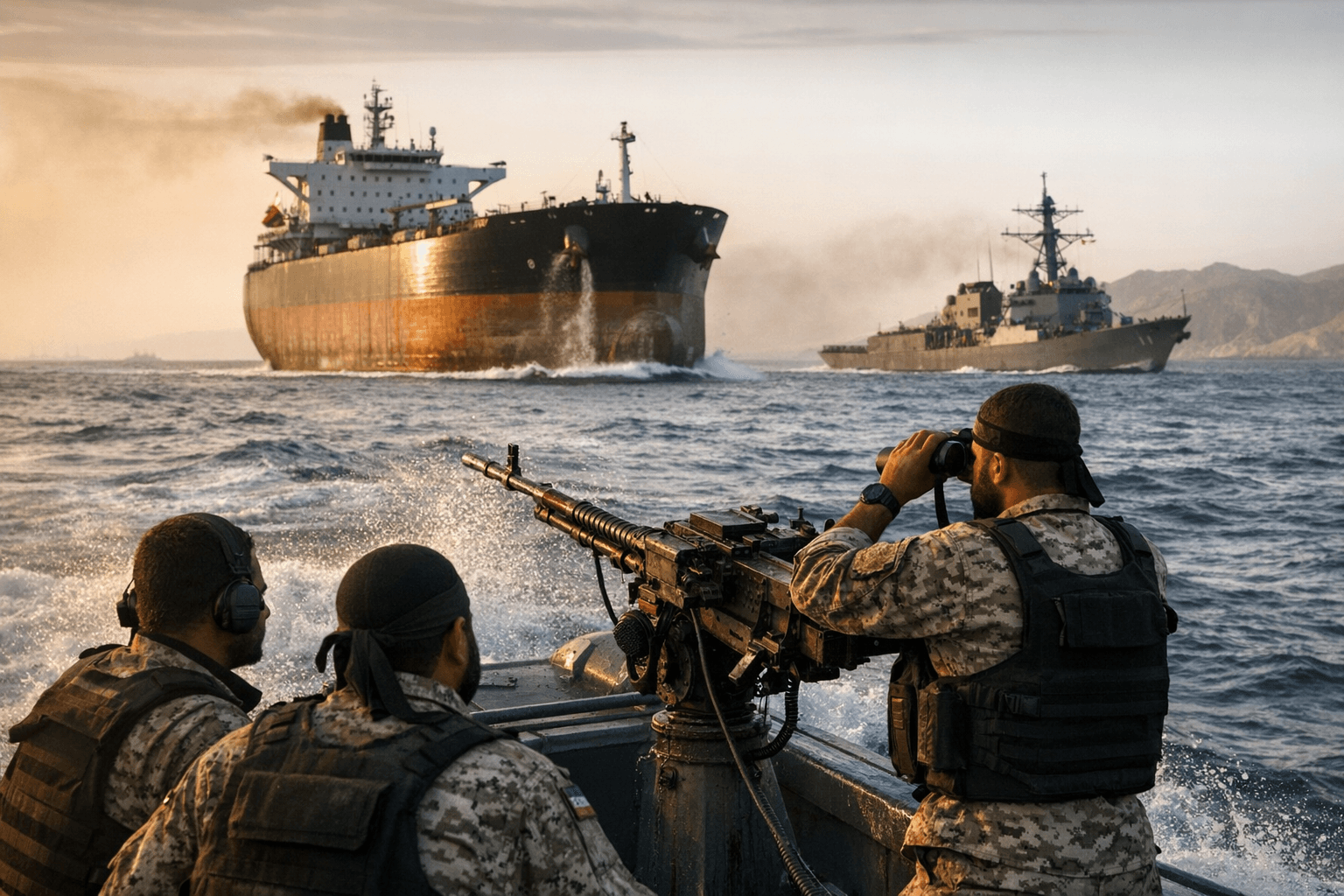
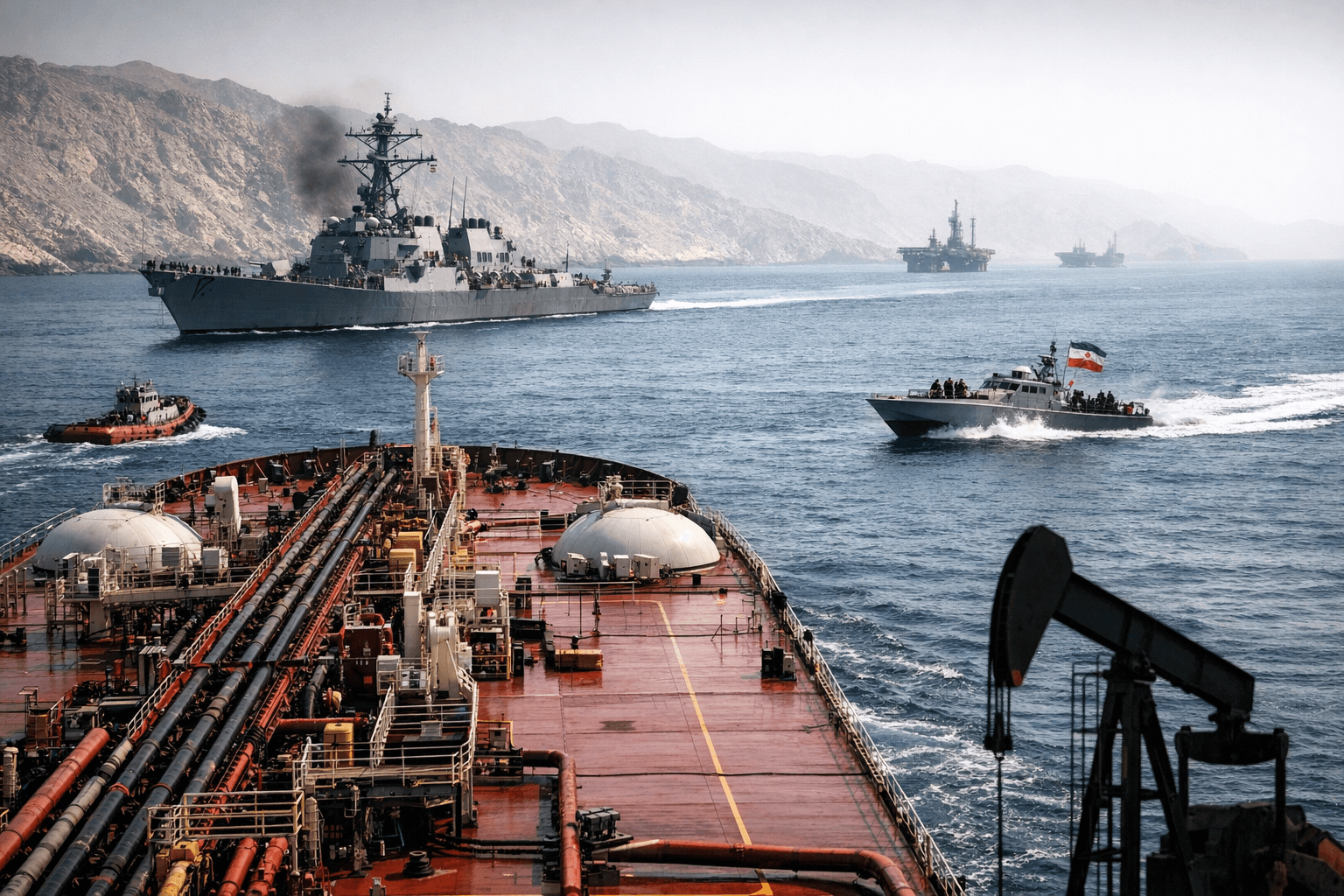
Open did not mean normal in the Strait of Hormuz on Friday. Iran said the waterway was available to commercial shipping, but only if vessels followed a coordinated route under Tehran’s supervision, a condition that left the world’s most important oil chokepoint technically open and strategically unsettled.
The route Iran described appeared to run through Iranian territorial waters between the islands of Larak and Qeshm, bypassing part of Oman’s waters. That distinction mattered because the strait is no ordinary lane of traffic. It handled about 20 million barrels of oil a day in 2024, roughly 20% of global petroleum liquids consumption, after averaging 20.9 million barrels a day in 2023. Around one-fifth of global LNG trade also moved through the strait in 2023, making any disruption a threat not only to crude exports but to the broader energy market.
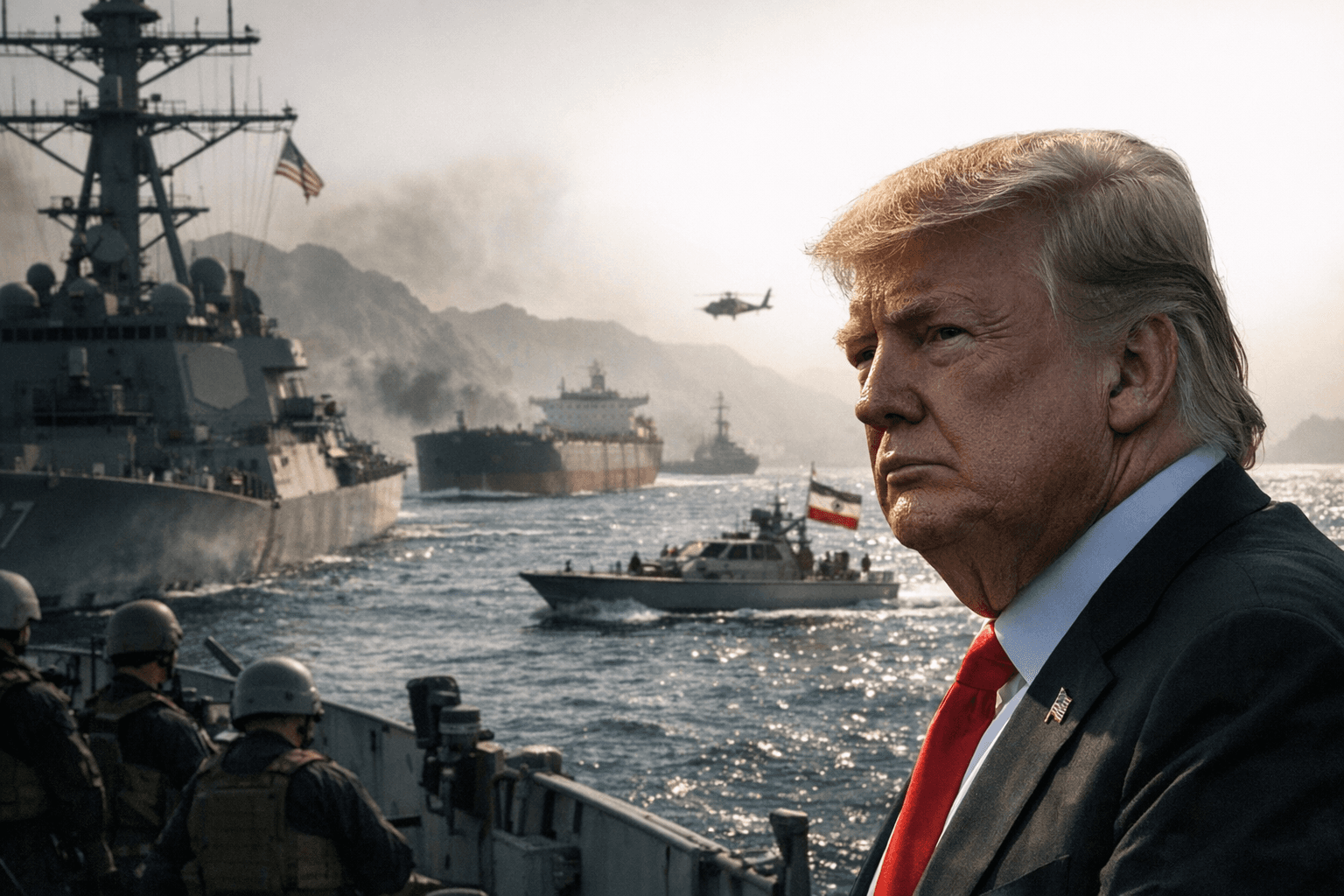
Iranian Foreign Minister Abbas Araghchi said the passage was open in line with the ceasefire, while U.S. President Donald Trump said the strait was open but that a U.S. blockade on Iranian ports would remain in full force. The separate claims underlined the central question now facing shippers, insurers and naval planners: whether traffic was genuinely resuming on normal commercial terms, or merely under a new set of Iranian-imposed conditions that still carried risk.
That uncertainty had already helped push oil prices sharply higher before Iran’s announcement, as reports described traffic through Hormuz as stalled or reduced to a trickle. Prices then fell sharply after the statement, showing how quickly markets can swing on even partial signs of relief. But the reopening, as described by Iran, did not erase the leverage built into the strait itself. A route supervised by one side of a geopolitical dispute is still a chokepoint, and still a place where risk premiums can linger.
The International Maritime Organization said the safety and welfare of civilian mariners were its highest priority and that it would work with member states and partners to support safe navigation. That message reflected the reality in the Gulf, where commercial crews, insurers and naval forces have to price not just the chance of passage, but the cost of delay, rerouting and escalation. Until the strait is open in normal commercial terms, the world’s oil and gas flows remain exposed to Tehran’s conditions.
Know something we missed? Have a correction or additional information?
Submit a Tip